• Discover how to identify signs of a failing commercial roofing air barrier system and the steps to diagnose issues effectively.
• Learn the correct materials to use and the vital preparation needed for airtight installations, ensuring durability in Maryland’s climate.
• Find expert tips on avoiding common installation mistakes, routine inspections, and maintenance for extended system longevity.
Spotting Warning Signs in Air Barrier Systems
Is your commercial building as energy-efficient as it could be, or are you experiencing unexpected increases in utility bills? These could be signs that your commercial roofing air barrier system in Maryland is not performing optimally. Particularly as the seasons change, with fall bringing cooler temperatures, issues such as noticeable drafts or inconsistent indoor temperatures can point to problems above. It’s crucial for business owners to recognize these early signs of air barrier failure to prevent further energy losses and increased costs.
The integrity of your commercial roofing air barrier is vital for maintaining a controlled and comfortable indoor climate. If you detect moisture accumulation or visible water damage, this could indicate that air and possibly moisture are penetrating the roofing system. Examine your commercial roof for any signs of aging or wear, such as tears or breaks in the roofing material. These physical signs are clear indicators that your commercial roofing air barrier system requires attention to ensure it’s functioning effectively against the variable Maryland weather.
Before delving into repairs or replacements, understanding the function of a commercial roofing air barrier system is essential. A robust system provides a critical layer of protection against air leakage, preserving indoor air quality and promoting energy efficiency. By maintaining a seamless and continuous barrier, businesses can effectively reduce heating and cooling costs while extending the lifespan of their HVAC systems—benefits that bolster both your bottom line and your contribution to a greener environment.
Choosing the Ideal Material for Your Barrier System
Selecting the right air barrier material is a decision that can significantly affect the performance and longevity of your commercial roof. The Maryland climate poses unique challenges, so materials must be chosen with both durability and adaptability in mind. Options such as fluid-applied membranes offer seamless coverage, ideal for the varying temperatures experienced during the state’s fall season. Sheet membranes and spray foam insulation are also popular choices, known for their robust insulation properties and ability to conform to irregular roof surfaces.
When evaluating the materials available, consider the specific needs of your building alongside the expert services offered by your provider. Commercial roof coatings, for example, can serve as an additional layer of protection, offering reflective properties that further enhance energy efficiency. It’s important to consult a professional roofing service to assess which material aligns best with your building’s structure and the local climate. Remember, selecting a material that can withstand the rigors of Maryland’s weather will optimize your investment and ensure your commercial roofing air barrier system remains effective for years to come.
Identifying Strategic Application Areas
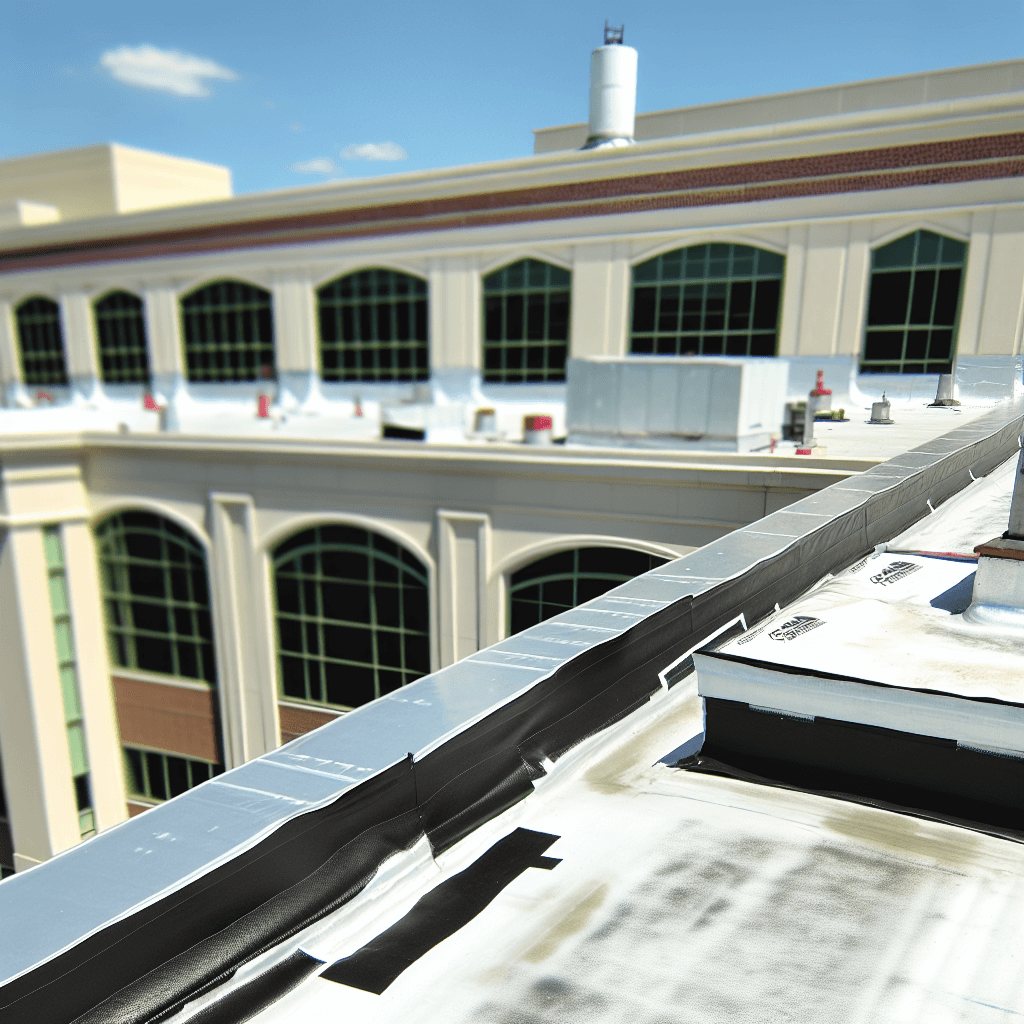
Before any new installment or repairs are made, a thorough evaluation of your commercial roof is necessary to pinpoint the key areas that require an air barrier application. Focus on vulnerable points like the roof edges, corners, and junctions where different materials meet, as these areas are often the most susceptible to air leakage. Additionally, any rooftop penetrations for vents, skylights, or other utilities must be carefully examined to ensure they are effectively sealed. It is these detailed checks that strengthen the overall efficacy of your commercial roofing air barrier system.
Once potential trouble spots are identified, the preparation for applying the air barrier can begin. Ensuring that the roof surface is clean, dry, and smooth is paramount for the successful application of any air barrier material. Any debris, moisture, or residue on the commercial roof can hinder the adhesion, leading to gaps and reduced performance. Diligent preparation not only provides the foundation for your air barrier but also for prolonged structural integrity and efficiency of your commercial roofing system.
Step 1: Understand the Basics of Air Barrier Systems
Start by explaining the function of commercial roofing air barrier systems in Maryland’s climate. Emphasize the importance of a seamless barrier to prevent air leakage, which can improve energy efficiency and reduce costs.
Step 2: Choose the Right Material
Detail the different materials available for air barriers in commercial roofing. Discuss options such as fluid-applied membranes, sheet membranes, and spray foam insulation. Focus on materials that perform well with Maryland’s seasonal variations, particularly in fall.
Step 3: Identify Areas of Application
Guide readers on how to evaluate their commercial buildings to identify key areas where air barriers should be applied. Highlight common vulnerable spots like edges, corners, joints, and penetrations.
Step 4: Prepare the Roof Surface
Instruct on properly cleaning and preparing the commercial roof surface before installing an air barrier system. Stress the need for a dry, clean, and smooth surface to ensure effective adhesion and sealing.
Step 5: Install the Air Barrier
Walk readers through the process of applying the chosen air barrier material. Whether it’s spraying, rolling, or hand-applying, give clear, step-by-step instructions to ensure a secure and continuous layer.
Step 6: Ensure Proper Sealing
Focus on the details of sealing joints and edges. Teach the proper techniques for using sealants or tapes to ensure that there are no gaps or leaks in the air barrier system.
Step 7: Inspect the Installation
Describe how to conduct a thorough inspection of the air barrier installation. Discuss looking for any missed spots or areas where the barrier may have been compromised, which could lead to reduced efficacy.
Step 8: Maintain Your Air Barrier System
End with tips on maintaining the integrity of the air barrier system over time. Offer advice on regular checks, repairs, and optimizations that will help extend the lifespan of the commercial roofing and ensure continued energy efficiency.
Avoiding Common Air Barrier Application Mistakes
When it comes to sealing your commercial building for energy efficiency, the installation of an air barrier system is critical, but it is also a process fraught with potential mishaps. Missteps can lead to inefficiencies, increased costs, and even the need for costly repairs. Understanding the common pitfalls of air barrier installation can save time, resources, and ensure your building is protected against Maryland’s mercurial weather.
Mistake 1: Choosing the Wrong Material
Selecting an inappropriate material for your air barrier can cause premature degradation and poor performance. Always consider Maryland’s fall climate when selecting a material – fluid-applied membranes may offer better coverage than self-adhered sheets in fluctuating temperatures.
Mistake 2: Neglecting Surface Preparation
Failing to properly clean and prepare the roof surface can lead to adhesion problems. Ensure the roof is free of dirt, moisture, and loose materials before application. A well-prepped surface ensures the air barrier adheres correctly, providing a continuous and effective seal.
Mistake 3: Inadequate Sealing at Joints and Edges
Overlooking the meticulous sealing of joints and edges will compromise the entire air barrier system. Use appropriate sealants and ensure all potential air leak pathways, especially around penetrations and terminations, are comprehensively sealed.
Mistake 4: Not Conducting a Detailed Inspection
Skipping a thorough post-application inspection can leave vulnerabilities in your air barrier. Inspect the barrier methodically for any misses or weak spots, particularly on larger roofs where areas can be easily overlooked, to confirm the barrier’s integrity.
Mistake 5: Inconsistent Maintenance
Ignoring regular maintenance of your air barrier system can lead to unnoticed damage and system failure. Set up a maintenance schedule that considers inspection and repair of any identified issues to extend the lifespan of the barrier and guarantee ongoing energy efficiency.
Effective Installation of Air Barriers
Application technique holds the key to a secure air barrier system on your commercial roof. A precise hand, careful attention to detail, and the knowledge of when to use [spraying](https://thesuperiorgroupllc.com/services/), rolling, or hand-applying techniques can make a world of difference in the efficacy of the air barrier. It’s essential to follow a methodical approach, coating each inch of the surface, ensuring a continuous layer that leaves no room for energy-sapping air intrusion.
After applying the barrier, the next critical step is to guarantee every joint and edge is properly sealed. Using the right sealants or tapes designed for commercial roofing makes for strong, impermeable bonds, safeguarding against the very air leaks the entire system aims to prevent. Without this thorough sealing, even the smallest gap can compromise your building’s thermal envelope, resulting in increased heating and cooling costs and a strain on your HVAC system.
Inspection and Maintenance: The Pillars of Durability
Once the air barrier installation is completed, a rigorous inspection must be in order to ensure the integrity of the application. This step is not just about checking for missed spots but also validating that the barrier meets Maryland’s rigorous energy efficiency standards for commercial buildings. Regular maintenance checks following installation not only protect your investment but also contribute to an eco-friendlier building profile.
Preservation of your air barrier system is not a one-time effort but an ongoing commitment. Scheduled inspections can unearth early signs of wear and tear, allowing for prompt repairs that extend the life of the system. By staying proactive about your air barrier’s condition, your commercial property can ensure consistent performance and resilience against the challenging Maryland climate, year after year.