• Identify signs of inefficiency in commercial roofing to prevent energy loss
• Discover materials and maintenance tips to enhance your roof’s energy conservation
• Understand common installation mistakes and the value of professional services for optimal energy savings
Recognizing Energy Inefficiencies in Commercial Roofing
As the first line of defense against the elements, your commercial roof is central to maintaining an energy-efficient building. Yet, many facility managers in Maryland overlook the telltale signs of an energy-draining roof. A spike in energy bills or inconsistent indoor temperatures can signal poor roof insulation or reflectivity problems. It’s essential to regularly scrutinize your roof for these issues to ensure you’re not overlooking potential energy-saving opportunities.
Detecting Signs of Roofing Wear and Damage
Wear and tear on a commercial roof can often be subtle, yet its impact on energy conservation is anything but. Cracks, tears, or blisters in roofing materials are not just a maintenance issue; they’re avenues for thermal leaks which undermine thermal regulation. What’s more, a sagging or water-logged roof points to compromised insulation, allowing heat transfer that can skyrocket your heating and cooling costs. Spotting these issues early on can prevent minor problems from turning into major energy losses.
Assessing Insulation Levels and Reflectivity
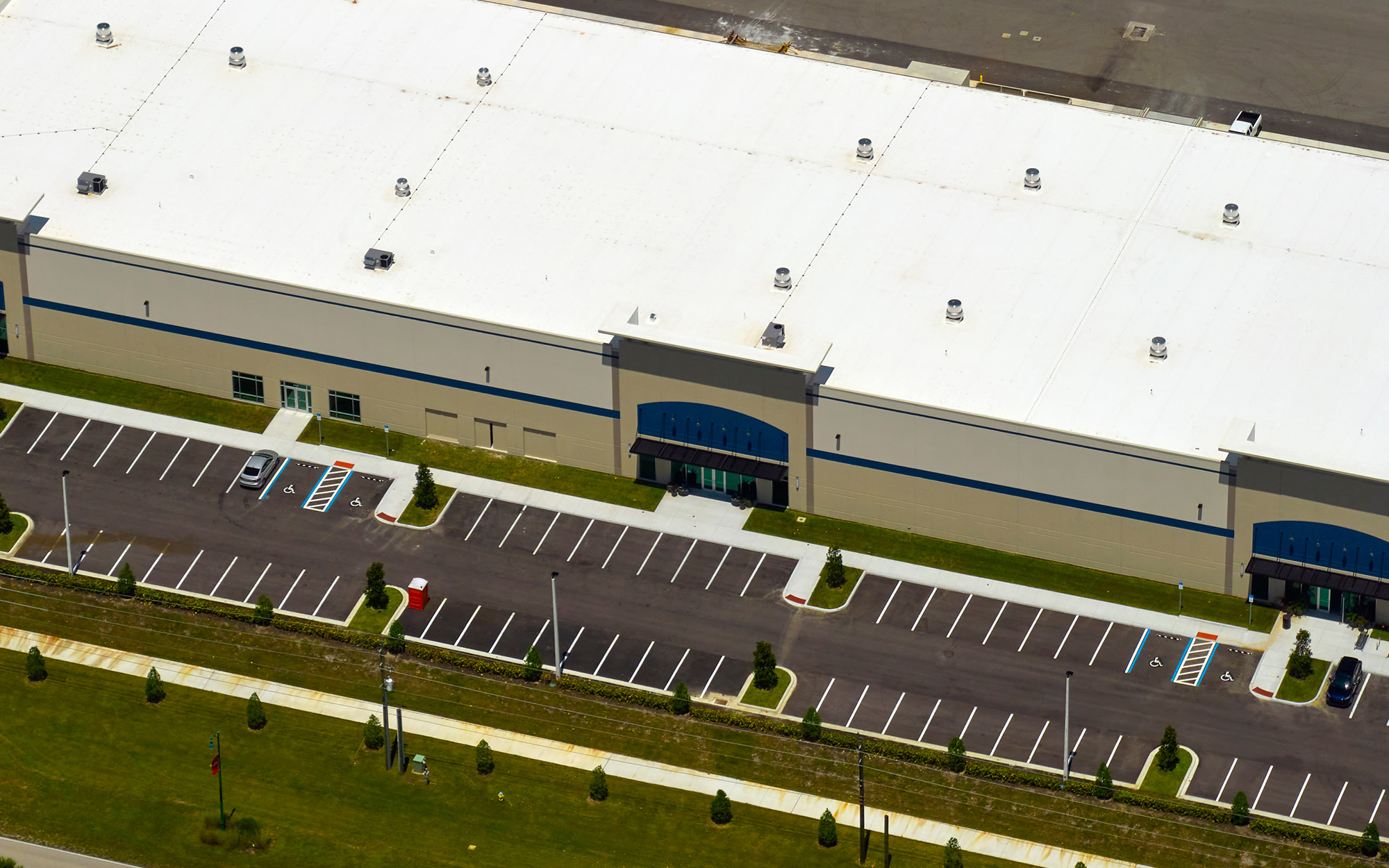
Proper insulation and reflectivity are the unsung heroes of energy-efficient roofing. Assessing your roof’s current insulation and checking if the surface is more absorbent than reflective provides a benchmark of its energy performance. Properly insulated roofs with high reflectivity can combat Maryland’s scorching summer heat and chilly fall temperatures. By recognizing these signs, you can make informed decisions on enhancements like energy-efficient roofing materials, reflective coatings, and updated insulation methods to bolster your building’s energy conservation.
Selecting the Right Materials for Energy Conservation
When it comes to reducing energy waste, the materials used in your commercial roofing system play a pivotal role. Reflective materials, for instance, can significantly reduce cooling costs by reflecting sunlight rather than absorbing it. This is particularly crucial in Maryland’s diverse climate, where summer sun can be relentless. By choosing the right energy-efficient materials, you can ensure your roof is equipped to offer maximum energy savings year-round.
The Benefits of Reflective Coatings and Insulation
A reflective roof doesn’t just repel sunlight; it can also contribute to the overall longevity of the roofing system. Modern coatings are designed not only to reflect UV rays but also to withstand the elements, reducing the likelihood of wear and tear. In Maryland, where the weather can transition from extreme heat to freezing temperatures, high-quality insulation is vital to maintain internal temperatures and reduce energy costs. By pairing reflective materials with proper insulation, you create a powerful defense against energy inefficiencies.
Step 1: Assess Your Commercial Roof’s Current Energy Efficiency
Begin by evaluating the current state of your commercial roof. Look for any signs of damage or wear that can affect its energy efficiency. Checking the insulation levels and determining the roof’s reflectivity can also provide valuable insights into where improvements can be made.
Step 2: Choose Energy-Efficient Roofing Materials
When it comes to enhancing energy conservation, selecting the right materials makes a difference. Options like cool roofing materials that reflect more sunlight can keep your building cooler and reduce energy costs.
Step 3: Implement Commercial Roof Insulation Methods
Proper insulation is crucial for maintaining temperature control within your commercial property. Investigate options such as rigid foam board or spray polyurethane foam to bolster your roof’s insulation.
Step 4: Regular Roof Maintenance
Establish a routine maintenance program to keep your roof in top condition. This includes clearing debris, repairing minor damages, and ensuring drainage systems are clear to prevent water accumulation.
Step 5: Apply Reflective Roof Coatings
Add a reflective roof coating to your existing roof structure. This helps to reflect the sun’s rays away from the building, thereby reducing the roof’s surface temperature and the amount of heat transferred into the building.
Step 6: Install a Green Roof System
Consider installing a green roof system which involves growing vegetation on the rooftop. This can provide excellent insulation, reduce stormwater runoff, and improve energy efficiency.
Step 7: Upgrade Roof Vents and Air Seals
Ensure that your roof vents and air seals are in optimal condition to prevent warm or cool air from escaping. Upgrades or repairs in these areas can lead to significant energy savings.
Step 8: Monitor and Evaluate Energy Usage
After implementing these energy conservation tips, monitor your building’s energy usage. Continuous evaluation will help determine the effectiveness of the changes and identify further opportunities to conserve energy.
Avoiding Common Energy Conservation Mistakes
Commercial roofing projects aimed at conserving energy can be complex, and even small missteps can lead to larger issues. Whether it’s a business owner in Maryland or a facilities manager looking to improve their building’s efficiency, common mistakes can hinder energy conservation efforts. It’s important to recognize and understand these pitfalls to ensure your strategies for an energy-efficient roof are successful.
Mistake 1: Neglecting Regular Inspections
One of the most frequent errors is the lack of routine roof evaluations. Without regular inspections, signs of damage or wear that impact energy efficiency might be missed. To prevent this, schedule consistent assessments and address any issues promptly to maintain your roof’s energy-conserving properties.
Mistake 2: Choosing Low-Quality Materials
In an attempt to cut immediate costs, some might opt for cheaper, low-quality roofing materials. However, this can lead to a less reflective and poorly insulated roof, driving up long-term energy expenses. Invest in high-quality, energy-efficient roofing materials that may cost more upfront but will provide substantial energy savings over time.
Mistake 3: Improper Insulation Installation
Improperly installed insulation can result in significant energy waste. It’s vital to research and implement proper commercial roof insulation methods, like using rigid foam board or spray polyurethane foam, to ensure optimal temperature control within your property.
Mistake 4: Overlooking Roof Maintenance
Failing to maintain your roof can lead to blocked drainage systems and accumulated debris, which undermine the roof’s performance. Establish and stick to a regular maintenance program to keep your roof efficient and prevent issues that could impact its energy-saving functionalities.
Mistake 5: Incorrect Application of Reflective Coatings
Applying reflective roof coatings incorrectly can negate their benefits. Ensure the coatings are applied properly and uniformly to effectively reduce the roof’s surface temperature and decrease heat transfer into the building.
Mistake 6: Skipping Professional Assistance When Needed
DIY approaches can sometimes lead to errors in installation or maintenance. When in doubt, seek professional advice or services, especially for complex installations like green roof systems or when upgrading roof vents and air seals.
Mistake 7: Not Monitoring Energy Use Post-Implementation
After making energy conservation improvements, some forget to monitor their energy usage. To ensure efficiency, regularly evaluate your building’s energy consumption to determine the effectiveness of your initiatives and uncover additional opportunities for energy savings.
Maintaining Roofing Efficiency
Routine maintenance is the backbone of a well-functioning, energy-conserving commercial roof. Regular checks and timely repairs prevent small issues from escalating into costlier problems and help maintain the roof’s energy-efficient properties. For Maryland businesses, a roof free of debris and water damage means better insulation and lower energy bills throughout the seasons.
Professional Energy-Saving Strategies
Sometimes, the best route to energy savings is through professional upgrades and services. Installing a green roof or applying energy-saving coatings are tasks best completed by experts. By investing in professional services, Maryland businesses can ensure their commercial roofing is optimized for peak energy conservation, yielding long-term savings and sustainability benefits.