• Identify warning signs of leaks with a comprehensive visual inspection of the roof’s surface, drainage systems, and interior ceilings and walls.
• Perform routine maintenance tasks, such as cleaning gutters and resealing fixtures, to extend the lifespan of your commercial roof.
• Consult with roofing professionals for an in-depth evaluation and tailored solutions, ensuring lasting protection against leaks.
Understanding the Early Signs of Roofing Issues
Maintaining a commercial roof is pivotal for the longevity of your business’s operations, and early detection of leaks can be the difference between a simple repair and a costly replacement. The first step in proactive maintenance is to keep an eye out for water stains on the ceilings— they’re a telltale sign that water is seeping through your roof. Musty odors within your building can also suggest that moisture has found its way into your roofing system, leading to possible mildew or mold growth. In addition, damage to the roof surface, such as cracks or splits, can be visual cues that it’s time for a closer inspection.
Assessing Your Roof’s Drainage Effectiveness
A commercial roof is only as effective as its drainage system, designed to channel water away from the building. However, gutters and downspouts can become clogged with leaves and debris, causing water to pool on the roof, which increases the risk of leaks and structural damage. Regular inspections of the drainage system will ensure it is clear and functioning properly. If you discover any damages or blockages, they must be addressed promptly to avert further issues.
Checking for Compromised Roof Penetrations and Flashing
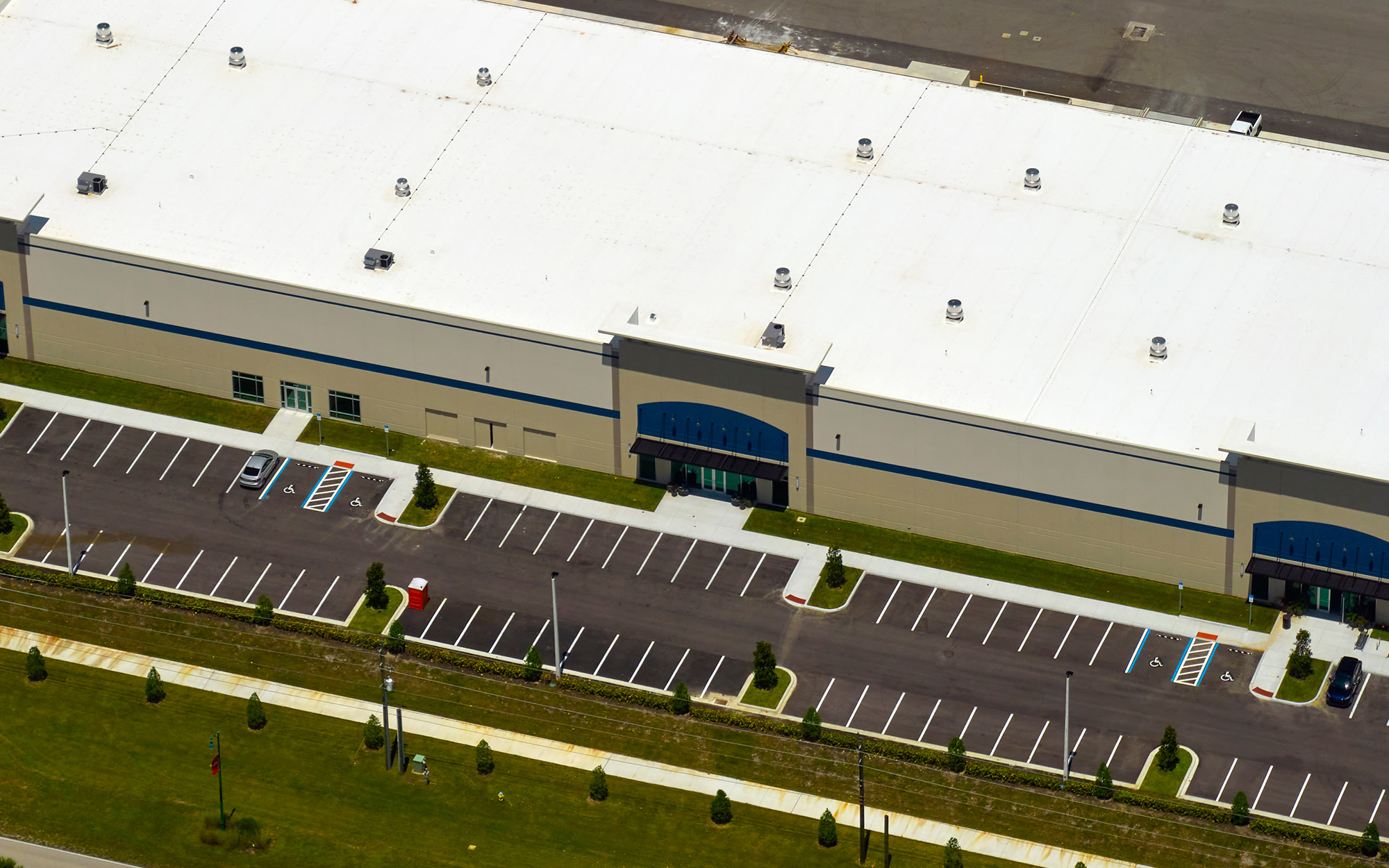
Where a roof meets a non-roof surface, penetrations are made for items like vents, pipes, or HVAC units— all potential points for water ingress. It’s crucial to inspect these areas and the corresponding flashing that seals them against leaks. Decay or breakage in these components can quickly turn into a leak. Therefore, periodic checks can safeguard against water damage that not only affects the roofing structure but can also spread to interior spaces.
Proactive Strategies for Roof Preservation
Documenting the condition of your commercial roof is as essential as regular financial audits for your business. Marking areas of concern when detected can save valuable time and resources, allowing for a targeted approach to repairs. By setting a detailed record, you provide a clear roadmap for either your maintenance team or a specialized roofing contractor who will address the issues efficiently. Having a thorough documentation system also helps track the roof’s history, which is invaluable for warranty claims and long-term maintenance planning.
Maintaining Roof Integrity Through Preventative Care
Preventative maintenance is the shield that guards your commercial roofing from the relentless wear and tear of the elements. Scheduling cleanings to remove debris not only keeps the roof aesthetically pleasing but also prevents damage and potential leaks. Small upkeeps, like resealing around roof penetrations and tightening fixtures, considerably extend the life of your roofing system. Furthermore, proactive maintenance reinforces the validity of warranties and ensures you’re getting the maximum lifespan from your roofing investment.
Step 1: Identify Signs of a Commercial Roof Leak
Begin by conducting a visual check for warning signals like water stains on the ceiling, musty odors, or visible damage on the roof surface.
Step 2: Inspect the Roof Drainage System
Examine gutters, downspouts, and drainage pipes for blockages or damages as these can often lead to water pooling and leaks.
Step 3: Check Roof Penetrations and Flashings
Review any areas on the roof where penetration occurs such as pipes, vents, or HVAC units, as these are common leak points. Look closely at the flashing for signs of wear or damage.
Step 4: Assess the Roof’s Surface
Walk the roof to inspect for damage to the membrane or surface material. For flat commercial roofs, look for blisters, cracks, or tears in the membrane.
Step 5: Examine Interior Ceiling and Walls
From inside, inspect for water damage or dampness on walls and ceilings which could indicate a leak’s entry point to help locate the exterior issue.
Step 6: Document and Mark Areas of Concern
Record and mark all suspicious areas found during the inspection. This documentation is vital for repair planning or professional evaluations.
Step 7: Perform Preventative Maintenance
Clean the roof of debris, reseal around roof penetrations, tighten loose fixtures, and repair minor damages to prolong the roof’s lifespan.
Step 8: Seek Professional Assessment
For complex or widespread issues, contact a professional roofing contractor specializing in commercial roofing leak detection to ensure a comprehensive assessment and repair.
Avoiding Common Roof Inspection Mistakes
When it comes to maintaining the integrity of commercial roofing, the DIY approach can sometimes lead to unintended consequences. Even with the best intentions, facility managers or business owners might commit errors that compromise their roofing systems. Understanding these common pitfalls and how to avoid them is critical in ensuring an effective and thorough leak detection and maintenance routine.
Mistake 1: Overlooking Early Warning Signs
Many tend to ignore the first subtle hints of a leak, such as small water stains or occasional drips. Regularly checking for these early signs is necessary to catch issues before they escalate. Ignoring them leads to more extensive damage and costlier repairs down the road.
Mistake 2: Neglecting Drainage System Maintenance
People often forget that the roof’s drainage system plays a crucial role in leak prevention. Gutters and downspouts should be cleared of debris regularly. Failing to do so can result in blockages, which leads to water pooling and the potential for leaks.
Mistake 3: Improper Inspection of Roof Penetrations
Another common error is not thoroughly inspecting areas around roof penetrations and flashings. It’s not enough to give them a quick glance; these areas require careful examination for even the slightest signs of wear or potential breach points.
Mistake 4: Inadequate Roof Surface Assessment
Some might walk the roof too hurriedly, missing critical signs of membrane or material damages such as blisters or cracks. A methodical and unrushed approach is key for a comprehensive surface evaluation.
Mistake 5: Insufficient Interior Inspections
Interior damage can indicate problem areas on the roof, but it’s often overlooked in a DIY inspection. Vigilant inspection of ceilings and walls for moisture and water damage helps trace the leak back to its source on the roof.
Mistake 6: Poor Documentation and Follow-up
Failing to document and mark areas of concern can lead to confusion and oversight in the future. Keeping a detailed record aids in tracking repair history and planning maintenance schedules.
Mistake 7: Skimping on Preventative Maintenance
Some may think they’re saving money by cutting back on preventative maintenance, but this can lead to larger issues. Regular cleaning, resealing, and fixture tightening are minor efforts that prevent major problems.
Mistake 8: Delaying Professional Evaluations
Lastly, a major mistake is waiting too long to call for professional help. Specialists in commercial roofing leak detection can identify and address complex issues beyond the scope of routine maintenance, ultimately saving time and resources.
When to Call in the Professionals
Sometimes, the complexity of roofing issues requires professional intervention. A specialist in commercial roofing leak detection will offer the expertise and equipment needed to conduct a comprehensive assessment. For matters that prove too involved for a standard maintenance team, a visit from a seasoned roofer can help ensure that your commercial property is safeguarded against the elements.
Thorough Roofing Solutions for Long-Term Security
If your inspection reveals widespread damage or you’re simply looking to upgrade your current roofing system, consider exploring the options at The Superior Group’s commercial roof replacement services. They provide a full range of roofing types and services, designed to meet the specific needs of your business. Taking action now with a full-scale replacement or timely repairs can prevent more severe issues down the line, amplifying your investment’s longevity and effectiveness.