• Uncover early signs that your roof needs a sustainable upgrade, including rising energy costs and wear and tear that impacts efficiency.
• Learn step-by-step, eco-friendly improvements for commercial roofs, from choosing sustainable materials to planning for long-term maintenance.
• Avoid common sustainability mistakes in roofing, ensuring professional guidance for a successful transition to energy-efficient roofing solutions.
Recognizing the Signs: When Your Commercial Roof Calls for Sustainability
When considering the longevity and performance of your commercial roofing, it’s crucial to spot the early warnings that indicate a need for more sustainable practices. You might notice an uptick in your energy expenses, a red flag signaling inefficiency overhead. This could stem from poor insulation or outdated materials that are taxing your heating and cooling system. By being alert to these cost implications, you’re taking the first step toward a greener, more sustainable roofing solution.
As seasons change in New Hampshire, your roof endures varying climatic aggressions, which could bring to light its current limitations. Persistent leaks, for example, are evidence that your roofing system is failing to protect your interiors from extreme weather. Visible wear like cracked or blistering surfaces can also suggest that your commercial roof is not living up to modern sustainability standards. Periodic inspections are paramount; they not only underscore the need for repair but also the opportunity to integrate more eco-friendly components into your roofing architecture.
Ancient roofing may have served its purpose in the past, but today’s commercial structures demand modern solutions that align with ecological initiatives. Traditional materials are often no match for the innovative, eco-conscious options available in the market. If the last inspection or repair of your roof predates recent sustainability advances, it is likely time for an upgrade. Fostering environmental stewardship starts with recognizing these signs and committing to the adoption of sustainable roofing materials and techniques.
Step-by-Step Towards Eco-Friendliness: Initiating the Shift
Embarking on the journey to commercial roofing sustainability is a strategic decision that begins with comprehensive education. Learn about what makes roofing materials sustainable, including their lifecycle costs, energy efficiency, and impact on the environment. This knowledge is crucial, as it forms the basis upon which your sustainable roofing strategy will be built. By delving into this subject, you become better equipped to make informed decisions that will benefit your business and the planet.
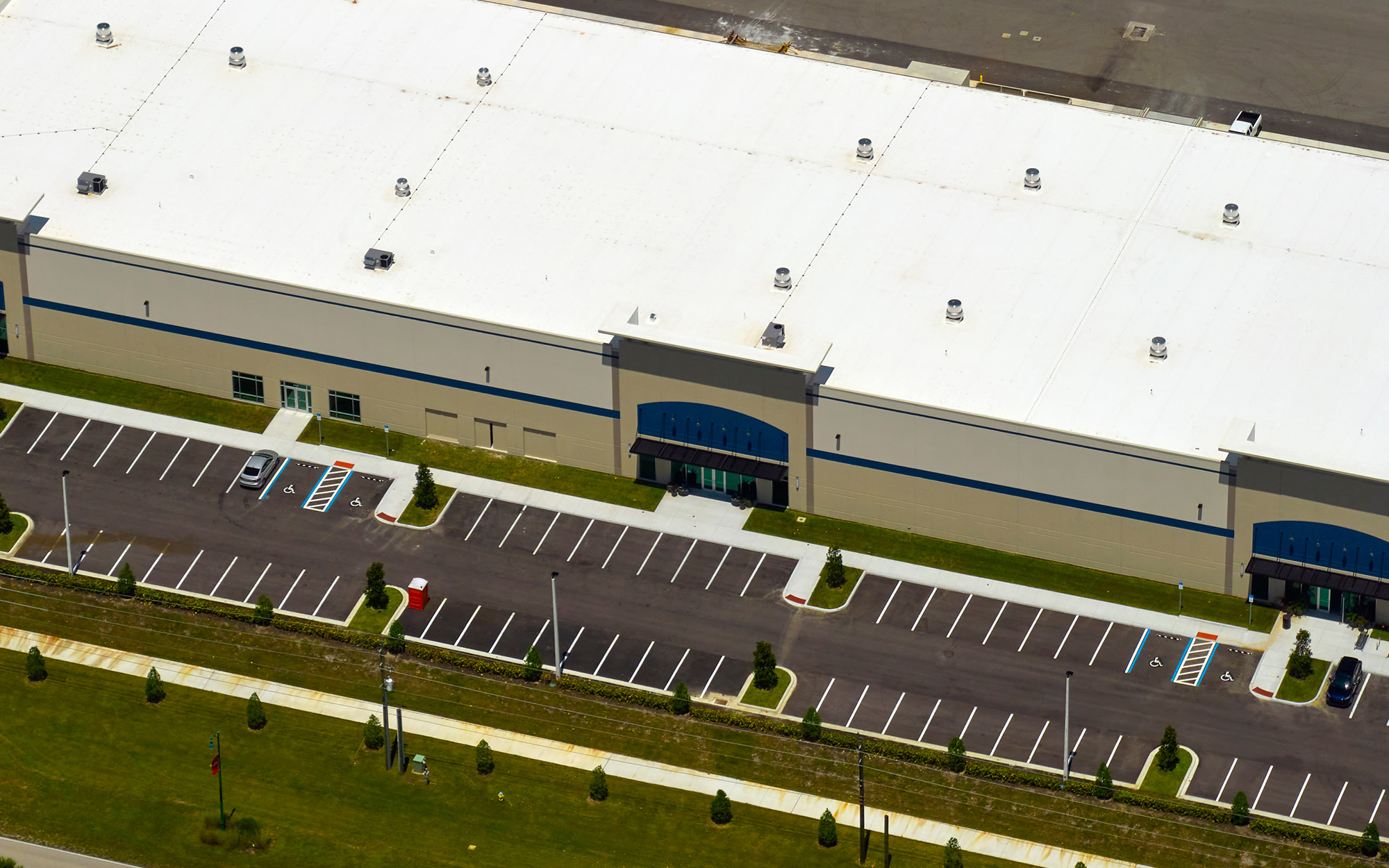
In the learning path, one should not underestimate the influence of industry trends and scientific advancements on sustainable roofing practices. Green roofs, cool roofing solutions, and the integration of photovoltaic (PV) systems are revolutionizing how buildings manage energy and interact with their environments. When selecting materials for sustainability, it is essential to consider how they contribute to better insulation, reduced heat islands, and overall energy conservation. These key aspects will not only help improve your building’s thermal performance but also play a significant role in reducing environmental impact.
Embracing the New Era: Selecting Sustainable Materials
Once the foundation of knowledge is set, the next step is to critically evaluate your existing roofing system. It’s time to test if your roof is due for a sustainable upgrade you should consider. Explore a broad range of materials and designs that are recognized for their low environmental impact and enhanced energy performance. Remember, choosing the right material is not only about the immediate benefits but also considering the long-term sustainability of your commercial property.
As you research the best sustainable roofing options, involve experts who can provide tailored solutions for your specific needs. They can help with selecting products like cool roofing membranes or suggest installing a living roof that not only insulates but also gives back to the environment. It’s wise to look at factors like durability, maintenance requirement, and compatibility with your building’s structural design when selecting your materials. Connect with our team to discuss how the right sustainable roofing system can be a game-changer for your business in New Hampshire.
Step 1: Understand the Basics of Commercial Roofing Sustainability
Begin by familiarizing yourself with what sustainability means in the context of commercial roofing. Explore materials and design approaches that enhance energy efficiency and reduce environmental impact.
Step 2: Evaluate Your Current Commercial Roofing Situation
Assess the current state of your commercial roof. Look for signs of wear and inefficiencies, and consider the last time it underwent maintenance or inspection for sustainability features or improvements.
Step 3: Research Sustainable Roofing Materials
Delve into eco-friendly roofing options, like cool roofing, green roofs, and photovoltaic solar panels. Understand the benefits and longevity of each material to determine what fits best with your building’s needs.
Step 4: Incorporate Energy-Efficient Elements
Consider the inclusion of energy-efficient elements such as proper insulation, light-reflective surfaces, or a rooftop garden to regulate temperature and contribute to energy savings.
Step 5: Seek Professional Insight
Consult with roofing professionals who specialize in sustainable solutions. Discuss the specific needs of your commercial property in New Hampshire, considering the seasonal weather patterns, to get customized recommendations.
Step 6: Plan for Long-Term Maintenance
Learn about the upkeep requirements of sustainable roofing systems. Establish a maintenance schedule that will ensure longevity and consistent performance of your eco-friendly roof.
Step 7: Implement Sustainable Water Management
Design your commercial roofing system to manage water sustainably. Incorporate features such as rainwater catchment systems or proper drainage to reduce runoff and its environmental impacts.
Step 8: Monitor and Adapt for Continuous Improvement
After installing your sustainable roofing system, continuously monitor its performance. Be open to making changes and upgrades over time as new technologies and materials become available.
Avoiding Common Sustainability Mistakes in Commercial Roofing
It’s often the seemingly minor oversights that can lead to larger issues down the line in commercial roofing sustainability efforts. Neglecting key factors in the process can result in inefficiencies, higher costs, or even damage to your roofing system. Understanding these common missteps is essential for any business in New Hampshire looking to enhance their roofing in a sustainable and effective manner.
Mistake 1: Underestimating the Importance of Proper Insulation
Many DIY enthusiasts opt for a quick fix instead of the most energy-efficient solution. Insufficient insulation can lead to significant heat loss in winter and excess heat absorption in summer, impacting energy bills and comfort levels. To prevent this, ensure you follow Step 4: Incorporate Energy-Efficient Elements and choose high-quality, sustainable insulation materials designed for your specific roofing requirements.
Mistake 2: Failing to Consider Reflective Roofing Options
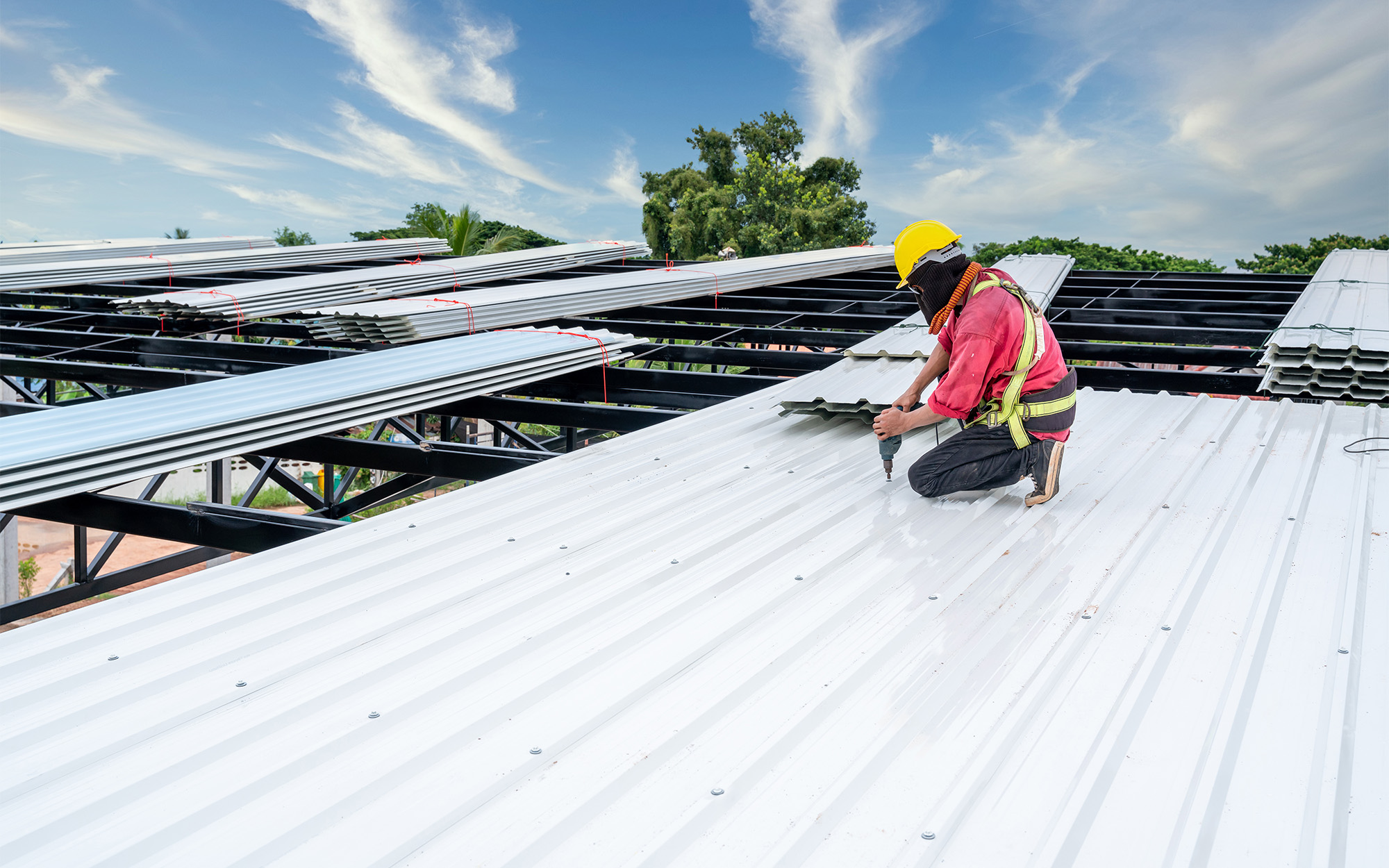
Often overlooked, the roof’s surface color and material play an important role in sustainability. A darker roof absorbs more heat, while reflective materials help keep buildings cool. When researching sustainable roofing options as mentioned in Step 3, don’t skip the step where you look into cool roof technology and light-reflective surfaces.
Mistake 3: Skipping Professional Inspections
DIY inspections may miss subtle signs of wear or inefficiency that a trained eye would catch. This oversight could lead to larger issues or missed opportunities for sustainability improvements. By adhering to Step 2: Evaluate Your Current Commercial Roofing Situation, have your roof evaluated regularly by professionals for an accurate assessment.
Mistake 4: Overlooking Local Climate Factors
Ignoring New Hampshire’s varied weather can be a costly mistake. The climate should influence the type of sustainable roofing materials and designs you choose. In line with Step 5, consulting with professionals can provide insights into how to best incorporate sustainable features suitable for your local climate.
Mistake 5: Neglecting Long-Term Maintenance Plans
An ‘install it and forget it’ mentality can negate the benefits of sustainable roofing solutions. Consistent maintenance is critical for the longevity and performance of any roofing system. As advised in Step 6, planning for long-term maintenance ensures your roofing remains in top shape and continues to meet sustainability goals.
Mistake 6: Inadequate Water Management Systems
A common error is underestimating the importance of sustainable water management solutions. Issues like improper drainage can lead to water damage and negate the benefits of a sustainable roof. By implementing Step 7: Implement Sustainable Water Management, you can ensure that your roof’s design effectively manages water and contributes to overall ecological conservation.
Implementing Energy Efficiency in Roofing
Incorporation of energy-efficient elements into your commercial roof is not only environmentally responsible but also economically wise. Reflective coatings and proper insulation can significantly lower your building’s energy consumption, particularly during New Hampshire’s warm summers and cold winters. These upgrades create a more comfortable indoor environment and contribute to a substantial reduction in utility expenses, a boon for any business’s bottom line.
Professional Guidance: Partnering with Sustainability Experts
Consulting with roofing professionals who specialize in sustainability is a crucial step towards a successful upgrade. They can offer insights into the best eco-friendly options and installation practices that comply with New Hampshire’s particular climate demands. For more information on sustainable roofing systems, take advantage of resources like commercial roof coatings that not only protect but also enhance your roof’s energy conservation abilities.