• Learn signs of inadequate wind resistance in commercial roofing and how to address them
• Discover proper materials and installation techniques for robust wind resistance in Maryland
• Get expert tips to avoid common mistakes in roofing upgrades for superior wind protection
Spotting the Warning Signs
When it comes to commercial roofing, the adage ‘an ounce of prevention is worth a pound of cure’ could not be more pertinent. Before diving into the world of enhanced wind resistance, it’s essential to recognize the signs indicating that your roof may be faltering under the pressure of Maryland’s gusty summer conditions. Signs of distress such as shingles that are missing or appear torn, or flashing that has become detached, suggest that your roof may not be adequately braced for high winds. Additionally, we must be vigilant for less obvious signals like a sudden rise in energy costs, which could point towards air leaks caused by wind damage.
Understanding the Forewarnings of Wind Damage
Even more subtle than missing shingles are the warning sounds your building might be making during a windstorm. A commercial roof sending out distress calls in the form of creaks, groans, or popping sounds is a roof that’s reaching out for help. Inside your building, watch out for water stains on ceilings or walls, as these can be telltale signs of wind-driven rain breaching your roof’s defenses. Taking note of these symptoms allows for prompt action to be taken, safeguarding your structure before further damage is done.
Preparing for a Wind Resistance Upgrade
Prior to strengthening your commercial roof against the powerful winds of a Maryland summer, a comprehensive assessment of your existing roofing system is in order. Determine the age and material of your roof, and critically examine it for any signs of previous wind damage or materials that may be prone to lifting. Understanding these initial problematic signs is crucial; it lays the groundwork for following our guide on bolstering your commercial roofing’s wind resistance, beginning with Step 1: Assess Your Commercial Roof’s Current Wind Resistance and continuing through to proper documentation for insurance.
Enhancing Roof Wind Resistance
With the realization that your commercial roof could be vulnerable to Maryland’s summer winds, the next logical step is to fortify it. It starts with selecting the right materials—those designed to resist the might of nature’s forces. Strong, durable roofing materials like thermoplastic polyolefin (TPO) or ethylene propylene diene monomer (EPDM) membranes have proven their worth in providing an effective shield against wind uplift and debris penetration. By working with materials that have a track record of standing up to blustery conditions, you ensure the longevity and resilience of your roofing investment.
Wind Uplift Requirements and Roof Selection
Next, it’s important to understand the specific wind uplift requirements that apply to your locale. Maryland has building codes which dictate the minimum standard for wind resistance that any commercial roof should meet—standards designed with the protection of both people and property in mind. This is where professional service becomes irreplaceable. Engaging with a seasoned roofing contractor who is well-versed in these requirements will to ensure that your roof isn’t just built, but crafted to meet and exceed local wind uplift standards.
Step 1: Assess Your Commercial Roof’s Current Wind Resistance
Begin with a thorough assessment of your existing roofing system. Examine the age, material, and current condition of your roof, paying close attention to any previous wind damage, loose materials, or areas prone to uplift.
Step 2: Understand Your Area’s Wind Requirements
Research and understand the wind uplift rating requirements based on the building codes in Maryland. This will give you an idea of what level of wind resistance your commercial roof needs to meet.
Step 3: Select Wind-Resistant Roofing Materials
Choose materials and a roofing system that are specifically designed for high wind resistance. Options like single-ply membranes or metal roofing can offer enhanced durability against strong winds.
Step 4: Implement Proper Installation Techniques
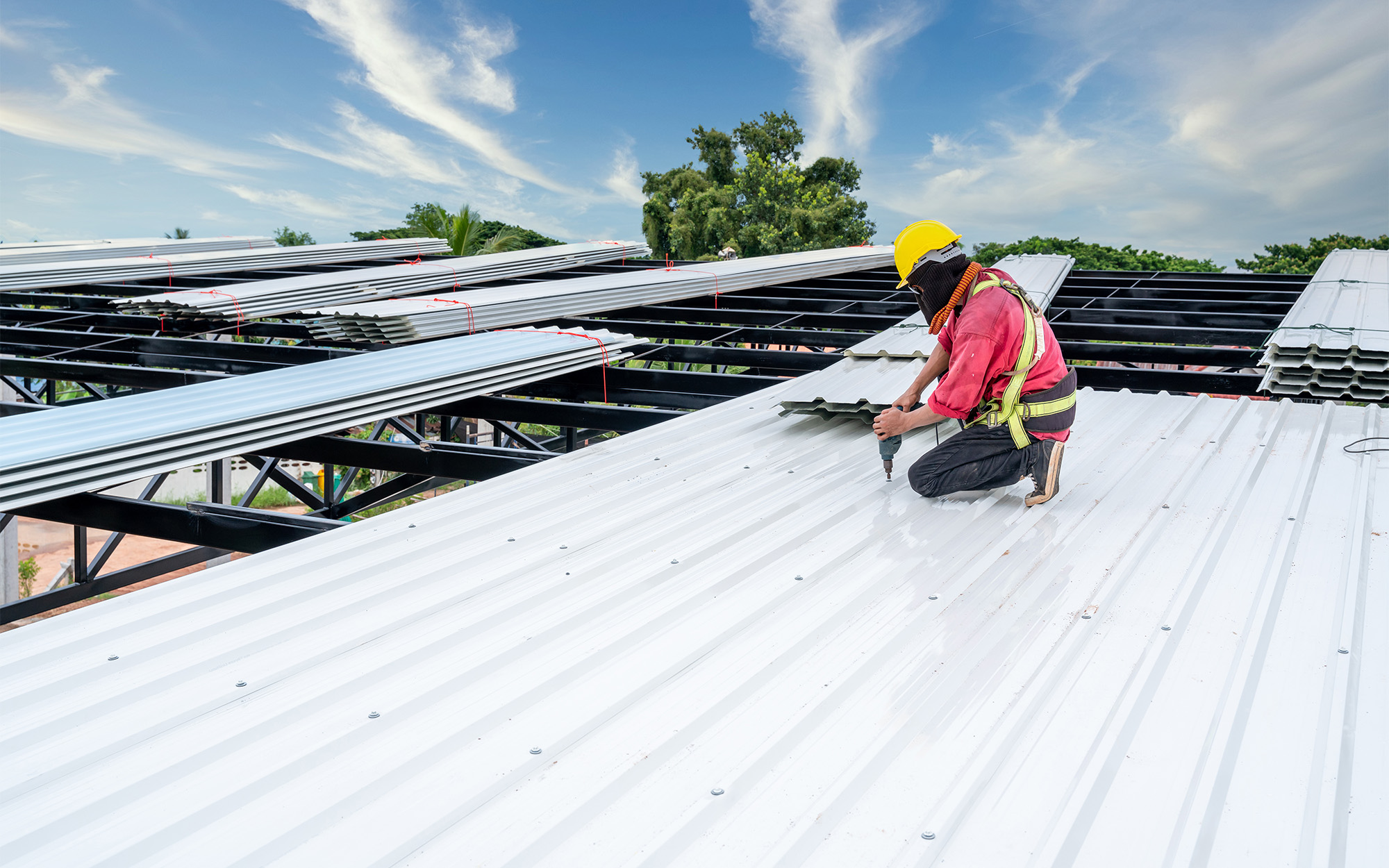
Ensure that installation techniques will maximize wind resistance. This might involve enhanced seam welding, using a higher number of fasteners, or employing specific adhesives that improve the roof’s ability to withstand wind.
Step 5: Add Wind Mitigation Features
Explore additional features like windbreaks, air vents, and edge metal that can help reduce the wind load on your roof. These features can disrupt wind flow and reduce the chances of uplift.
Step 6: Schedule Regular Roof Inspections and Maintenance
Plan for regular inspections and follow a maintenance schedule. Keeping the roof in prime condition will significantly help with wind resistance over time, and address any issues before they escalate.
Step 7: Consult with Roofing Professionals
Seek advice and services from roofing professionals with experience in wind-resistant solutions. Their expertise is invaluable in ensuring your roof meets local codes and industry standards.
Step 8: Document Everything for Insurance Purposes
Make sure to keep comprehensive records of all the steps you’ve taken to increase your commercial roof’s wind resistance. Documentation is essential for insurance claims in case of any damage.
Common Mistakes to Avoid When Enhancing Roof Wind Resistance
Before you embark on the journey to upgrade your commercial roof’s ability to withstand the punishing winds of a Maryland summer, it’s important to be aware of pitfalls that could undermine your efforts. While enthusiasm for DIY roof upgrades is commendable, a lack of professional expertise can lead to critical errors. These missteps not only jeopardize the integrity of your roof but could inadvertently nullify your hard work and investment.
Mistake 1: Neglecting a Professional Roof Assessment
Many property owners skip a professional assessment to save costs, not realizing they may overlook subtle signs of wear that are precursors to wind damage. Misjudging the extent of existing damage or the roof’s age can lead to insufficient upgrades. Always have a detailed inspection done by experts to avoid this pitfall.
Mistake 2: Ignoring Local Building Codes
Ignoring local wind uplift requirements can result in a roof that’s unable to legally withstand the seasonal winds. This mistake often arises from unfamiliarity with state-specific regulations or updates to building codes. Prevent this by conducting thorough research or consulting professionals on Maryland’s building code requirements.
Mistake 3: Choosing the Wrong Materials
Selecting roofing materials based solely on cost or aesthetics rather than wind resistance is a common error. This can result in a roof that’s vulnerable to even moderate winds. To avoid this, prioritize materials like single-ply membranes or metal roofing that are known for superior wind resistance.
Mistake 4: Improper Installation Techniques
DIY installations can lead to incorrect application of critical roofing elements which compromises wind resistance. For example, improperly welded seams or insufficient use of fasteners can greatly reduce a roof’s ability to withstand strong winds. Ensure the use of correct installation techniques by either learning the proper methods or hiring a professional.
Mistake 5: Overlooking Wind Mitigation Features
Many fail to add additional wind mitigation features that could significantly enhance their roof’s durability. Neglectance of adding elements like windbreaks or air vents can lead to increased susceptibility to uplift. Incorporate these mitigation strategies to decrease the likelihood of wind damage.
Mistake 6: Inadequate Maintenance Scheduling
Forgoing regular inspections and maintenance can cause minor issues to developer into major vulnerabilities. Roof issues that are left undetected can escalate, particularly under wind stress. Stay on top of roof health with a regular maintenance schedule to maintain its integrity against strong winds.
Mistake 7: Not Seeking Professional Advice
Undertaking roof upgrades without professional guidance can lead to a host of issues. Even well-meaning attempts can fall short of a roof’s specific needs in terms of wind resistance. Leverage the knowledge of roofing professionals to ensure your upgrades are up to standard.
Mistake 8: Insufficient Documentation
Lastly, inadequate record-keeping of the steps taken to improve your roof’s wind resistance can cause issues with insurance claims following damage. Ensure all actions, materials purchased, and work carried out are well-documented for future reference.
Installation and Wind Mitigation Techniques
Proper installation is the keystone to maximizing your commercial roof’s wind resistance. Employing cutting-edge installation techniques, such as fully-adhered or mechanically-attached systems, provides both durability and longevity against Maryland’s tempestuous summer winds. It’s crucial to partner with roofing experts who employ best practices for roofing installation, ensuring each protective layer is optimally placed and secured to ward off potential wind damage.
Maintenance: The Guardian of Roof Integrity
The commitment to your commercial roof’s defense against wind does not end with installation. A strict regimen of regular inspections and proactive maintenance forms a robust bulwark, preemptively addressing any vulnerabilities. Ingraining a culture of preventative care will not only fortify the roof’s resilience but ultimately translates to long-term cost savings by averting potential extensive repairs or replacements due to wind damage.