The Significance of Selecting Proper Roof Tiles for Commercial Buildings
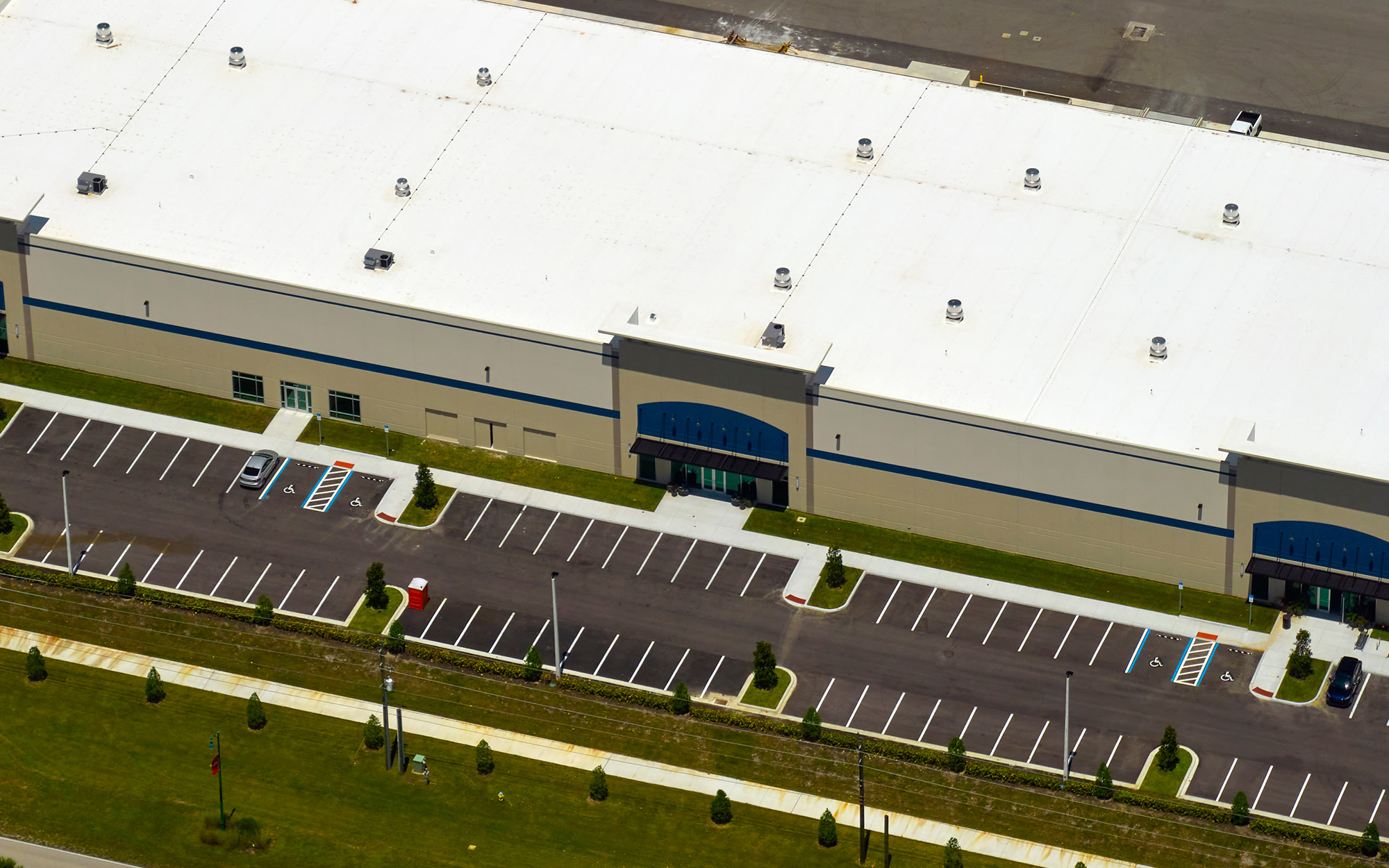
Choosing the right roof tile commercial types for a New Jersey business is not a decision to be made lightly. Each season brings with it different challenges that can test the durability and resilience of your rooftop. **The winter’s frost and the summer’s scourging heat demand** a material that can withstand extreme fluctuations without faltering. A poor choice in roofing tiles can lead to premature damage, costly repairs, and significant disruptions to business operations. Understanding the stakes involved is the first step towards making an informed decision that will protect your investment for years to come.
Shifting our focus to the potential consequences of an ill-suited roofing selection, it’s crucial to recognize the **long-term financial impact**. Roof leaks or failures can not only compromise the structural integrity of a commercial building but also result in the loss of inventory, machinery, or essential documents due to water damage. The cost of emergency repairs often far exceeds the price of proper materials and installation. To avoid these pitfalls, business owners must prioritize quality and specification alignment over initial cost savings—after all, a roof is a long-term investment that shelters future growth.
Addressing the concerns surrounding energy efficiency, an essential consideration for New Jersey businesses aims to optimize their return on investment. Energy-efficient roofing tiles not only contribute to **lower utility bills** but also to a healthier environment by reducing the building’s carbon footprint. When considering the selection of roof tile commercial types, it is pertinent to factor in not just the purchase price but the ongoing energy savings. Such foresight in planning ensures the sustainability and cost-effectiveness of commercial buildings, mirroring the cautious yet forward-thinking approach needed in today’s ever-evolving business climate.
Detailed Examination of Commercial Roofing Materials
Assessing the Varieties of Commercial Roof Tiles
Considering commercial buildings, not all roof tiles are created equal. Varieties such as concrete and clay have garnished favor for both their durability and style versatility. **Concrete tiles**, especially, have been praised for their longevity and ability to emulate more expensive materials like slate or terracotta. The astute business owner in New Jersey must weigh these options against the architectural design of their building, as well as any municipal zoning restrictions. Aesthetic harmony, alongside functional pragmatism, plays a significant role in the choice of roofing material.
The Weight of Your Decision
The literal weight of roofing materials is a frequently overlooked factor with substantial implications on structure and cost. Heavier options like slate may promise endurance but could necessitate costly structural reinforcements. Lighter alternatives, including some metal or synthetic tiles, offer a compromise between resilience and the load-bearing capacity of the building. It is essential to consult with a professional to ensure that the chosen material aligns with the building’s infrastructure. This is where the expertise of The Superior Group proves invaluable in guiding clients through these complex decisions.
Installation Complexity and Maintenance Requirements
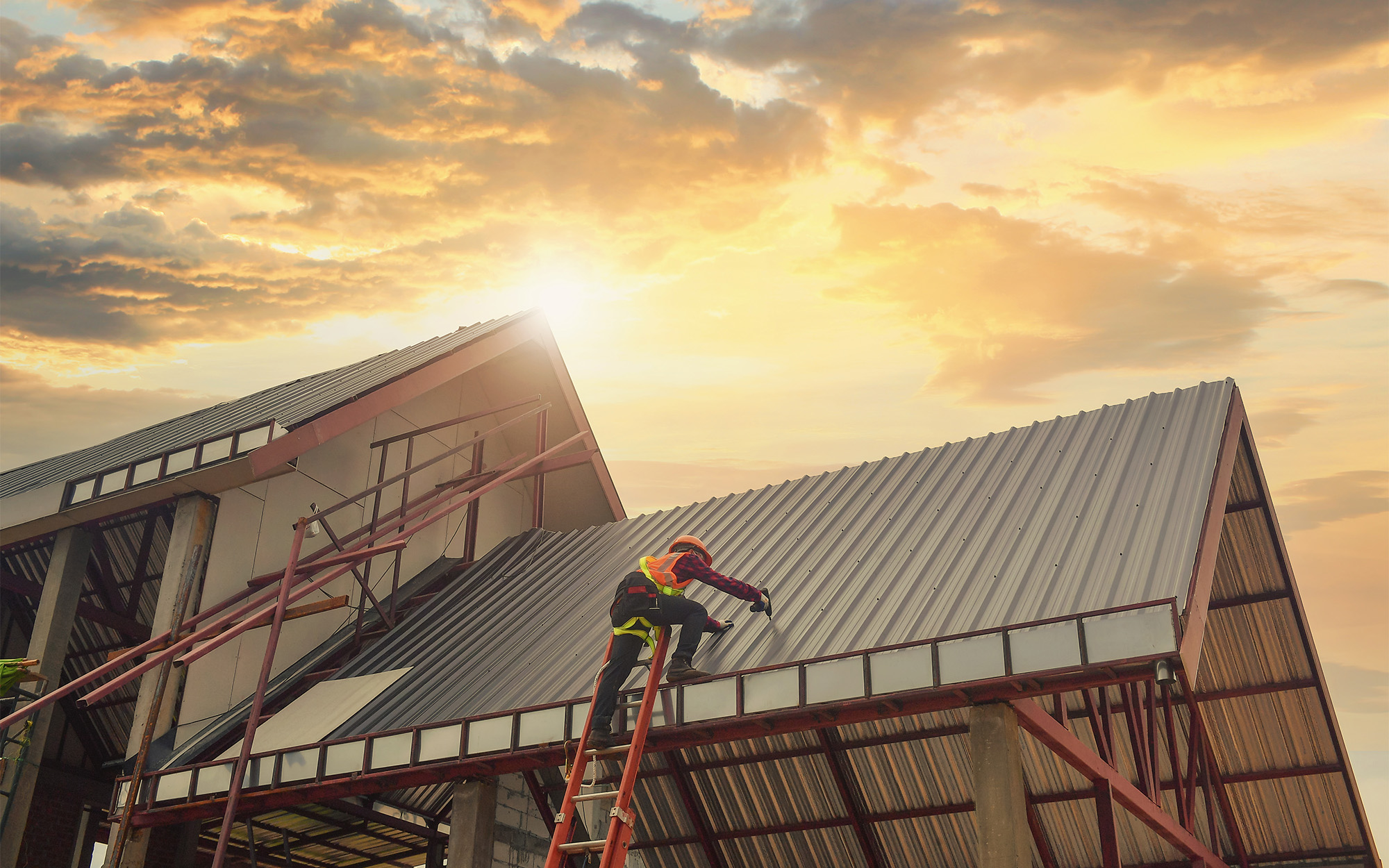
The intricacies of commercial roof installation should not be underestimated. Each material comes with its unique installation method; clay tiles might involve more labor-intensive techniques compared to a single-ply membrane solution. Maintenance requirements can also vary significantly, influencing long-term costs and management planning. **Regular assessment and maintenance** are critical to extending the life of your roof, and choosing materials with accessible replacement parts can simplify this process. It is here that an informed decision can prevent unnecessary expenses and delays, underlining the importance of partnering with seasoned roofing specialists.
Final Considerations for Commercial Roofing Decisions
The importance of selecting suitable materials for commercial roofing transcends beyond visual aesthetics to embody functionality and economic sensibility. Given New Jersey’s varying climate, the chosen materials must be robust enough to counteract the potential damage from seasonal weather extremes, from blazing summers to icy winters. Only through this meticulous selection process can long-term protection and value be assured. It’s not just a roof over your head; it’s an investment in the future of your business, safeguarding it against the unpredictable elements of nature.
When it comes to roofing, expertise is not just desirable—it’s essential. Roof compositions and their installation are realms best navigated with the aid of seasoned professionals who can foresee challenges and provide tailored solutions. Such expertise ensures compliance with building regulations and maximizes the roofing material’s lifespan. By partnering with The Superior Group, you gain access to that expertise and the peace of mind that comes with knowing your commercial roofing needs are in capable hands.
Lastly, it’s about building trust, not just roofs. Trust in the quality of materials, trust in the diligence of installation, and trust in the knowledge that every decision is backed by a team that understands your business’s needs. From selection through to maintenance, the right decisions now echo into the future of your establishment. For more detailed insights and tailored solutions that match your specific commercial roofing needs, your journey starts here with The Superior Group’s extensive roofing services.
Expert Advice on Choosing Commercial Roof Tiles
Tip 1:
When selecting tiles for a commercial roof in New Jersey, consider the weather resistance of the material. Tiles that can resist the freeze-thaw cycle, such as high-grade concrete or slate, will be more durable over time.
Tip 2:
Consider the weight of the roofing material and ensure that your building’s structure can support it. Heavy tiles may offer longevity but might require additional reinforcement, which can affect your budget and planning.
Tip 3:
Reflective roof tiles can significantly reduce cooling costs by reflecting sunlight away from the building. Look for materials with a high solar reflectance rating for greater energy efficiency.
Tip 4:
Always factor in maintenance when choosing commercial roofing tiles. While some materials may be more cost-effective initially, those that require less maintenance can offer savings in the long run.
Tip 5:
Consult with a local roofing expert who understands New Jersey’s building codes and environmental factors. This will ensure that your roofing material choice is compliant and suitable for local conditions.
Expert Insights on Commercial Roofing Queries
1. What types of roof tiles are best suited for commercial buildings in New Jersey’s variable climate?
Tiles made from materials like high-grade concrete or slate are ideal for New Jersey’s climate, as they resiliently withstand seasonal temperature swings and severe weather conditions.
2. How do different commercial roofing materials impact the overall durability and longevity of the roof?
Materials like metal and EPDM rubber offer enhanced durability due to their resistance to weathering and UV radiation, significantly extending a roof’s lifespan.
3. Can commercial roof tiles improve a building’s energy efficiency, and if so, how?
Yes, roofing tiles with a high solar reflectance index can deflect sunlight, thereby reducing heat absorption and cooling requirements, leading to improved energy efficiency.
4. What are the maintenance requirements for the most popular commercial roof types?
Popular roofing types such as single-ply membranes and asphalt require regular inspections and preventative repairs to ensure they remain watertight and functional.
5. How does the installation process differ between the various commercial roof tile options?
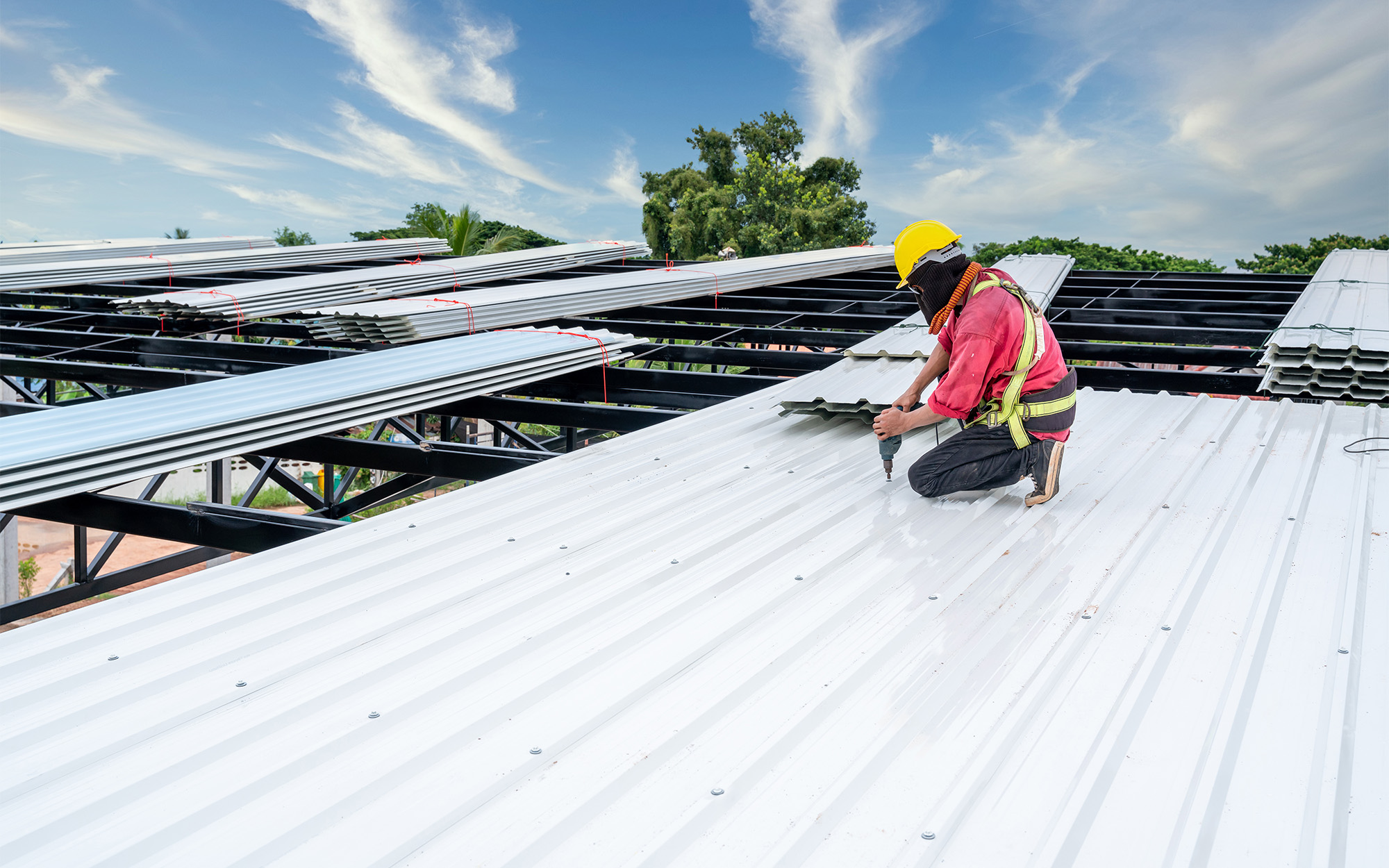
The installation varies; for instance, metal sheets might be quickly assembled on-site, while clay tiles require a more labor-intensive process for individual placement and securing.