Understanding Your Commercial Roofing Options
Selecting the right commercial house roof tiles types is not just a matter of aesthetics, it’s a pivotal decision that affects your property’s safety and durability. In storm-prone regions like Massachusetts, the difference between a roof that endures and one that succumbs to the elements often lies in the tile type you choose. Many business owners face the immediate consequences of leakages and damages due to poor selections. The urgency to pick the perfect fit transcends seasons, with summer’s harsh sun or winter’s brutal snow imposing their own threats. It’s about safeguarding investments and ensuring the tranquility that comes from a well-protected establishment.
Investment In Quality Roofing Pays Off
The true cost of roofing goes beyond the initial price of materials—it’s an investment in the future of your commercial space. Long-term savings come into play when considering the energy efficiency and durability of high-grade tile materials. Opt for tiles that might carry a higher upfront cost but offer profound cost-efficiency over time. The right choice can mitigate frequent repair needs and energy waste, two elements known for silently draining company resources. Acknowledge that your roof is a silent business partner, one that provides shelter and contributes to a sustainable cost structure.
The Expertise You Need for the Right Choice
Navigate through roofing choices with the confidence that comes from expertise on your side. In this guide, you’ll find tailored advice suited for the unique challenges of Massachusetts’ climate. Know that each paragraph within this section has been cultivated to address your primary concerns and answer pressing questions. Recognizing the gravity of this decision, we’re committed to guiding you away from common pitfalls and towards a decision that resonates with your business philosophy. By the end of this section, expect to be well-versed in the intricacies of commercial roof tiles—poised to make a decision that stands the test of time.
Materials Matter in Commercial Roofing
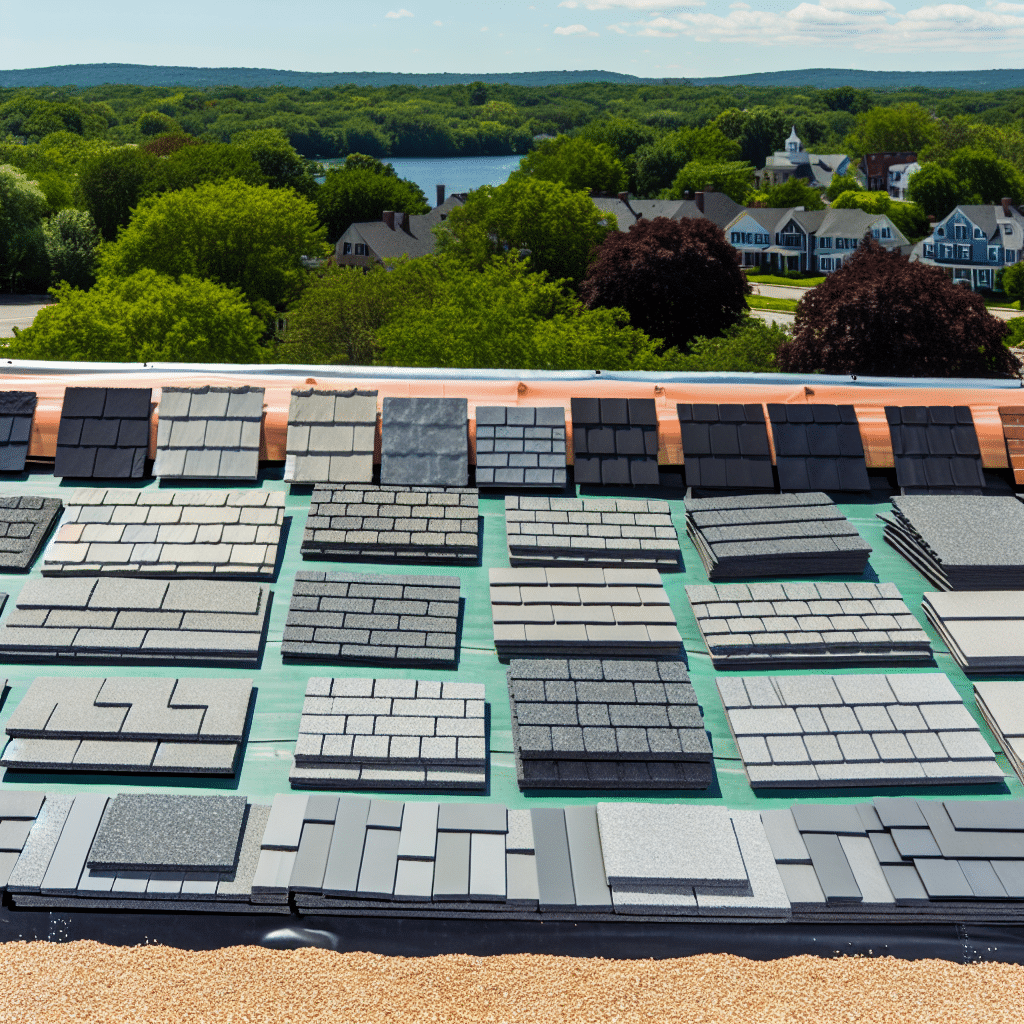
When choosing tiles for your commercial property’s roof, considering the material is paramount. Slate, for instance, boasts longevity and a classic appeal but may come with a heftier price tag. Concrete is lauded for its durability and versatility, often available in styles that mimic more expensive materials. Clay tiles have been used for centuries, admired for their natural beauty and resilience to fire. However, the choice doesn’t end at aesthetics or initial cost; it’s essential to consider the long-term impact of material on maintenance, energy conservation, and the building’s overall structural integrity.
Installation: The Keystone of Roofing Integrity
Proper installation is the crux of ensuring that commercial roofs stand strong against the elements. It takes skilled professionals to align tiles correctly, secure them, and guarantee that the roof can bear the material’s weight. The importance of working with a reputable contractor cannot be overstated, as any compromise in installation quality can lead to increased vulnerability to weather-related damages. Take advantage of expert roofing services that ensure your roof is not just installed but also inspected thoroughly for maximum performance. Remember, a roof is only as secure as the hands that lay its foundations.
Addressing Maintenance for Lasting Functionality
A proactive approach to roof maintenance defines the line between a roof that serves and one that suffers. Regular inspections prevent minor issues from escalating into costly repairs, making maintenance indispensable. Check for signs of wear, such as cracks or movement in tiles, which can compromise the roof’s integrity. This vigilance extends the roof’s lifespan, prevents internal property damage, and upholds a business’s professional appearance. Keep in mind that seasonal changes in Massachusetts can be harsh, and your roof’s maintenance plan should be responsive to both summer heat and winter cold.
Energy Efficiency and Aesthetic Appeal
The role of commercial roof tiles in energy efficiency should not be underestimated. Opting for light-colored or reflective tiles can lead to significant energy savings by reducing cooling needs during Massachusetts’ warm summers. This choice contributes to a greener footprint and reduced operational costs, making it a smart long-term investment. Moreover, the aesthetic appeal of your roof should align with your business’s brand image, as it can influence customer perception. Considering both the functionality and the visual impact of your tile can elevate your property’s overall worth.
Professional Expertise for Optimal Results
Collaborating with a seasoned professional from the start can preempt a multitude of roofing concerns. They bring invaluable insights into selecting the appropriate tile type that meets both local building codes and climatic demands. Experts from The Superior Group are well-versed in navigating these factors, providing peace of mind with every tile laid. This expertise not only ensures durable installation but also adeptly addresses any arising challenges throughout the roof’s lifespan. Engagement with a reliable roofing service equates to a worthwhile investment in your commercial asset.
Conclusion: A Roof Above the Rest
Selecting the correct commercial roof tiles is an intricate process that can have extensive ramifications for your business. It demands careful consideration of factors such as materials, installation, and maintenance—all of which have been addressed within these paragraphs. A well-chosen, professionally installed, and properly maintained roof could mean the difference between a costly liability and a reliable asset. Embrace the process with the knowledge you’ve gained, and trust in the experts to guide you to a solution that safeguards your business’s future. Eventually, the quality of your roof speaks volumes about the value you place on your commercial property and the level of service you wish to provide.
Expert Recommendations for Tile Roofing
Tip 1:
When selecting commercial roof tiles, prioritize durability and lifespan. Look for materials like slate or high-density concrete that can endure extreme weather while providing long-term financial savings.
Tip 2:
Consider the building’s architectural style and load-bearing capacity when choosing roof tiles. Clay tiles are aesthetically pleasing and traditional, but may require reinforced structural support due to their weight.
Tip 3:
Incorporate energy-efficient roofing tiles to reduce cooling costs. Some tile materials have reflective properties that deflect sunlight, thus maintaining a cooler building interior during the hot months.
Tip 4:
Factor in maintenance needs when choosing your commercial roof tiles. Opt for tiles that are easy to replace and repair, which will streamline maintenance and ensure quick resolution to any roofing issues.
Tip 5:
Always consult with a roofing expert before installation. Professional roofers will ensure that your tiles are installed correctly, with proper alignment, spacing, and secure fittings to prevent future problems.
Your Roofing Questions Answered
What are the most durable types of commercial roof tiles?
Slate and high-density concrete tiles are renowned for their longevity, often lasting 50 years or more with proper maintenance.
How do different roof tile materials impact energy efficiency?
Materials with reflective properties, like certain metals or coated tiles, can substantially reduce heat absorption, thereby enhancing energy efficiency.
What maintenance is required for commercial tile roofs to ensure longevity?
Regular inspections, cleaning of debris, and prompt repair of damaged or displaced tiles are crucial to prolong the life of your commercial tile roof.
Can commercial roof tiles withstand extreme climate conditions?
Yes, certain materials like slate and high-quality concrete are resilient against fierce winds, hail, and thermal fluctuations.
What are the key considerations for installing commercial roof tiles?
Key considerations include building code compliance, the roof’s weight-bearing capacity, climate suitability, and working with experienced roofing professionals.