When your carrier asks about the age and condition of your roof at renewal, that’s not routine paperwork. It’s a risk assessment, and your commercial roofing insurance profile is built from what underwriters find when they evaluate your building. Understanding this connection helps property owners make roofing decisions that serve both the asset and their coverage.
What Insurers Look for in Your Commercial Roof
Underwriters approach commercial properties asking one question: what is the likelihood of a claim, and how costly could it be? Your roof ranks near the top of that analysis because it’s one of the largest structural systems on the building and one of the most common sources of water intrusion and storm damage.
Age, Material, and Service Life
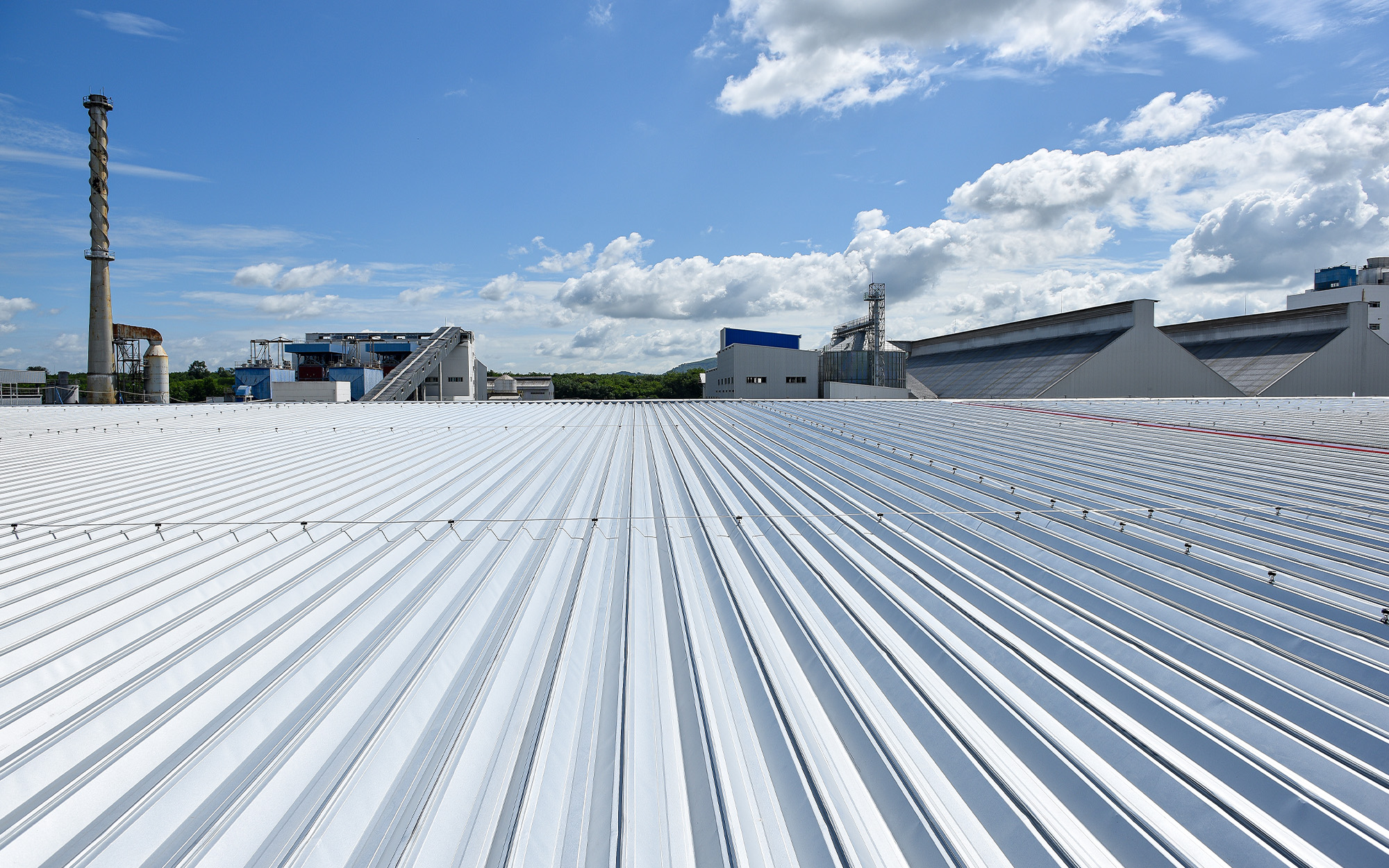
Most carriers apply age-based thresholds to commercial roof coverage. A roof past its expected service life may face restrictions, exclusions on weather-related damage, or a requirement to replace before coverage renews. Material matters too: TPO, metal, and standing seam systems carry longer rated lifespans and tend to be evaluated more favorably than aging built-up or modified bitumen assemblies. When a roof approaches 15 to 20 years without recent restoration, commercial roofing insurance terms can narrow quickly.
Maintenance Records and Claims History
What has happened to the roof over time matters as much as its current condition. Multiple prior claims, recurring leaks, or a complete absence of service records all signal elevated risk to your commercial roofing insurance underwriter. Carriers factor this history into pricing decisions and, in some cases, use it to justify exclusions or increased deductibles for water-related events. A well-documented maintenance record tells a different story.
The Maintenance Connection
The relationship between commercial roof preventative maintenance and commercial roofing insurance costs is more direct than most building owners expect. An insurer’s risk model is a prediction of future claims, and a well-maintained roof generates fewer of them.
Documented Upkeep as Risk Evidence
Consistent commercial roof maintenance, scheduled inspections, minor repairs, drain clearing, and surface re-coatings, builds a file of evidence that the asset is being actively managed. When that documentation accompanies a renewal, it gives your broker something concrete to present. That evidence doesn’t guarantee a rate reduction, but it shifts the conversation from uncertainty to documented fact.
What Deferred Maintenance Signals
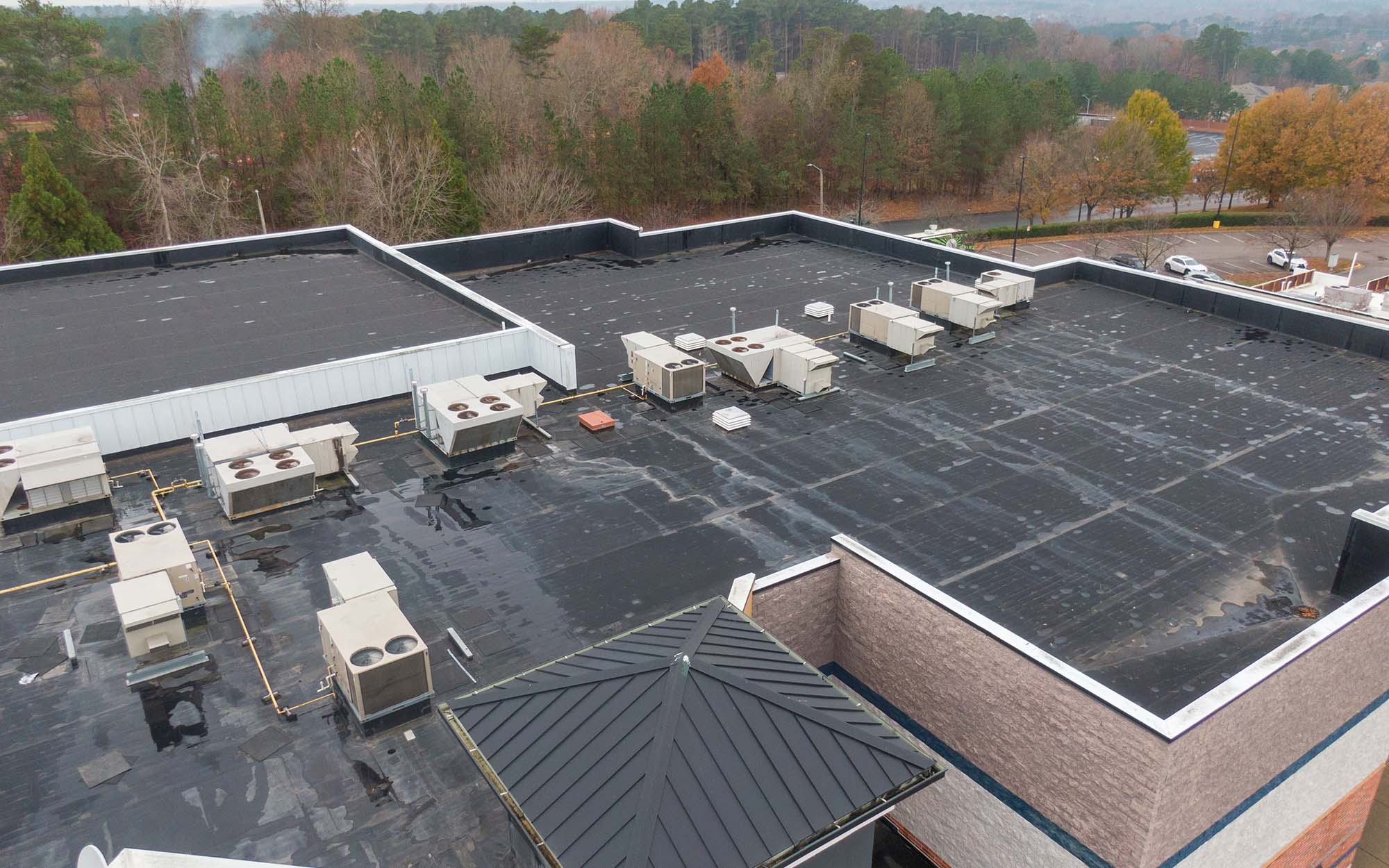
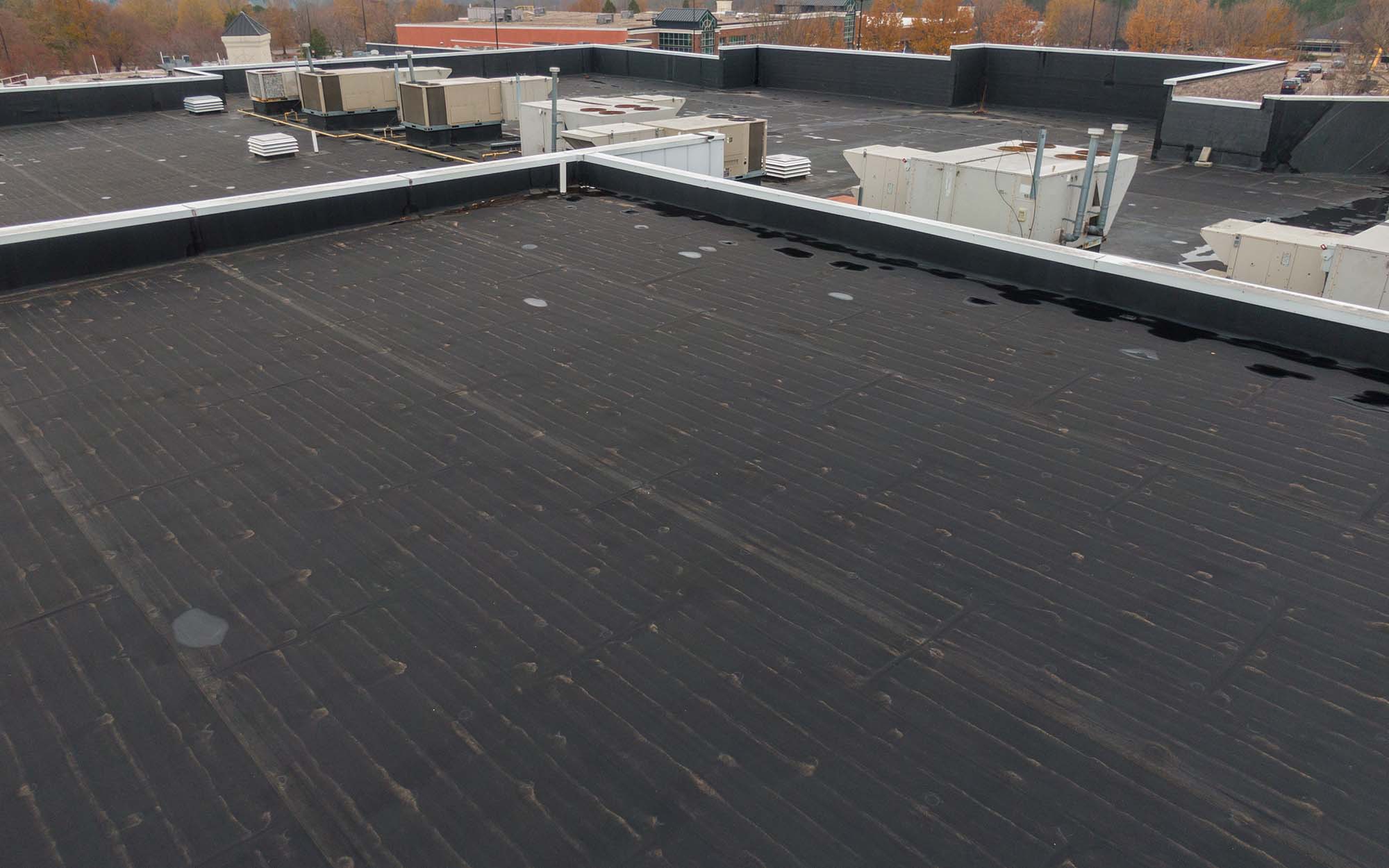
Pooling water, compromised flashing, or visible membrane failure communicate the same thing to a carrier: this roof is a liability. Insurers may require repairs before binding coverage, exclude water damage from the policy, or price the risk at a level that reflects what they see. Deferring maintenance rarely saves money. It moves the cost to the moment it’s least convenient.
What your commercial roofing insurance carrier sees at renewal is shaped by the decisions you make throughout the year. The Superior Group provides professional commercial roof inspections that produce thorough, documented assessments your carrier and broker can evaluate with confidence.
Steps to Take Before Your Next Renewal
The time to evaluate your roof’s condition is well before your renewal date, not after the carrier has already priced the risk.
Get a Professional Inspection on the Calendar
A commercial roof inspection completed 90 to 120 days before renewal gives you time to address any findings before they become underwriting issues, and it produces a documented assessment your broker can present to the carrier. The commercial roof maintenance schedule guide covers how to plan a consistent inspection program.
Compile Your Maintenance History
Gather every service record, inspection report, warranty document, and repair summary available. If documentation is incomplete, start building the file now. Building owners with complete records are better prepared for every conversation that touches the roof. Our guide to commercial roof asset management outlines how to structure that record over time.
Make the Connection Work in Your Favor
Your commercial roofing insurance program and your commercial roof maintenance program are not separate concerns. The condition of your roof and the quality of your documentation feed directly into how your carrier prices coverage and how your broker negotiates at renewal. Building owners who treat roofing as part of active risk management tend to see fewer surprises and more room for favorable terms. The Superior Group works with property owners and facility managers across the Northeast and Mid-Atlantic to assess, document, and maintain commercial roofing systems with the consistency that matters when coverage decisions get made. Reach out to talk through what that looks like for your building.