• Identify heat absorption issues with current roofing and potential for energy savings
• Learn the proper steps for choosing and installing commercial cool roofing
• Avoid common DIY mistakes and ensure maintenance for long-term roof performance
Recognizing the Need for Cool Roofing
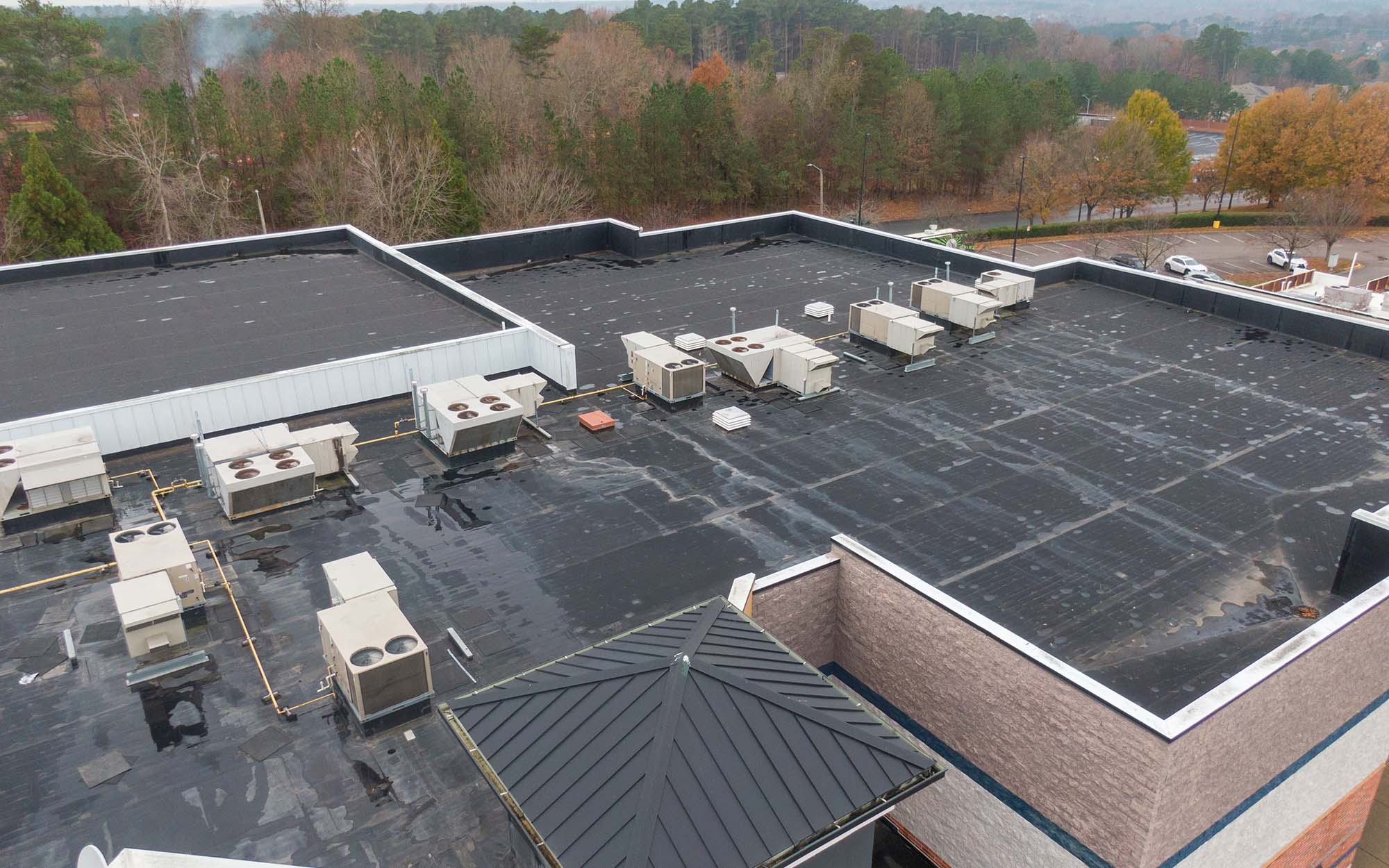
When the interior of your commercial building begins to feel more like a sauna than a workspace, it’s time to look up and consider the condition of your roof. If the top floor becomes particularly sweltering during New Hampshire’s sunny days, this is a clear indication that your current roofing material is absorbing too much heat. Frequent HVAC breakdowns and escalating energy bills during the transitional fall temperatures are further signs that your roofing system is inefficient. These problematic signs suggest that it might be time to explore the advantages of commercial cool roofing.
Assessing Roofing Efficiency and Structural Concerns
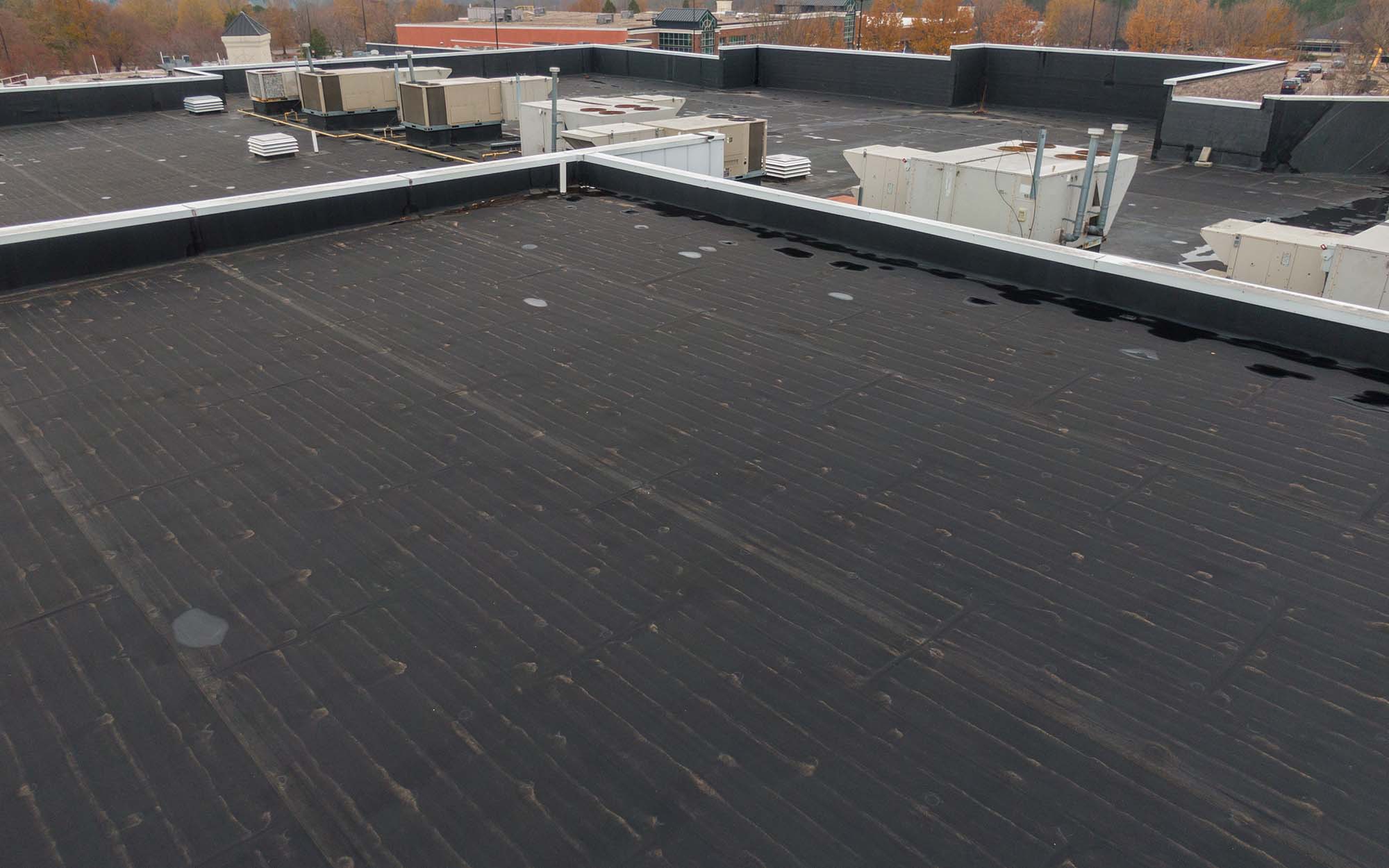
Before diving into the world of cool roofing, it’s vital to assess the current state of your commercial roof. Peeling paint, warped or buckled materials, and visible water damage signal that your roof is not performing effectively, often leading to inflated energy costs. In addition to functional deterioration, consider how the architectural design of your building may affect the feasibility of a cool roof system. New Hampshire’s unique blend of autumnal charm and rapidly changing weather demands a roofing solution that is both aesthetically and functionally resilient.
Is Cool Roofing the Right Investment?
Next, evaluate the potential financial impact a cool roofing solution might have on your operations. If excessive heat is permeating your workplace due to an outdated roof, it could be diminishing productivity and employee comfort. Upgraded cool roofing systems, with their reflective properties, promise an enticing benefit: a considerable reduction in cooling costs. By choosing to install cool roofing, you are not only enhancing the sustainability of your business but also potentially unlocking significant long-term savings.
Choosing the Right Cool Roofing Material
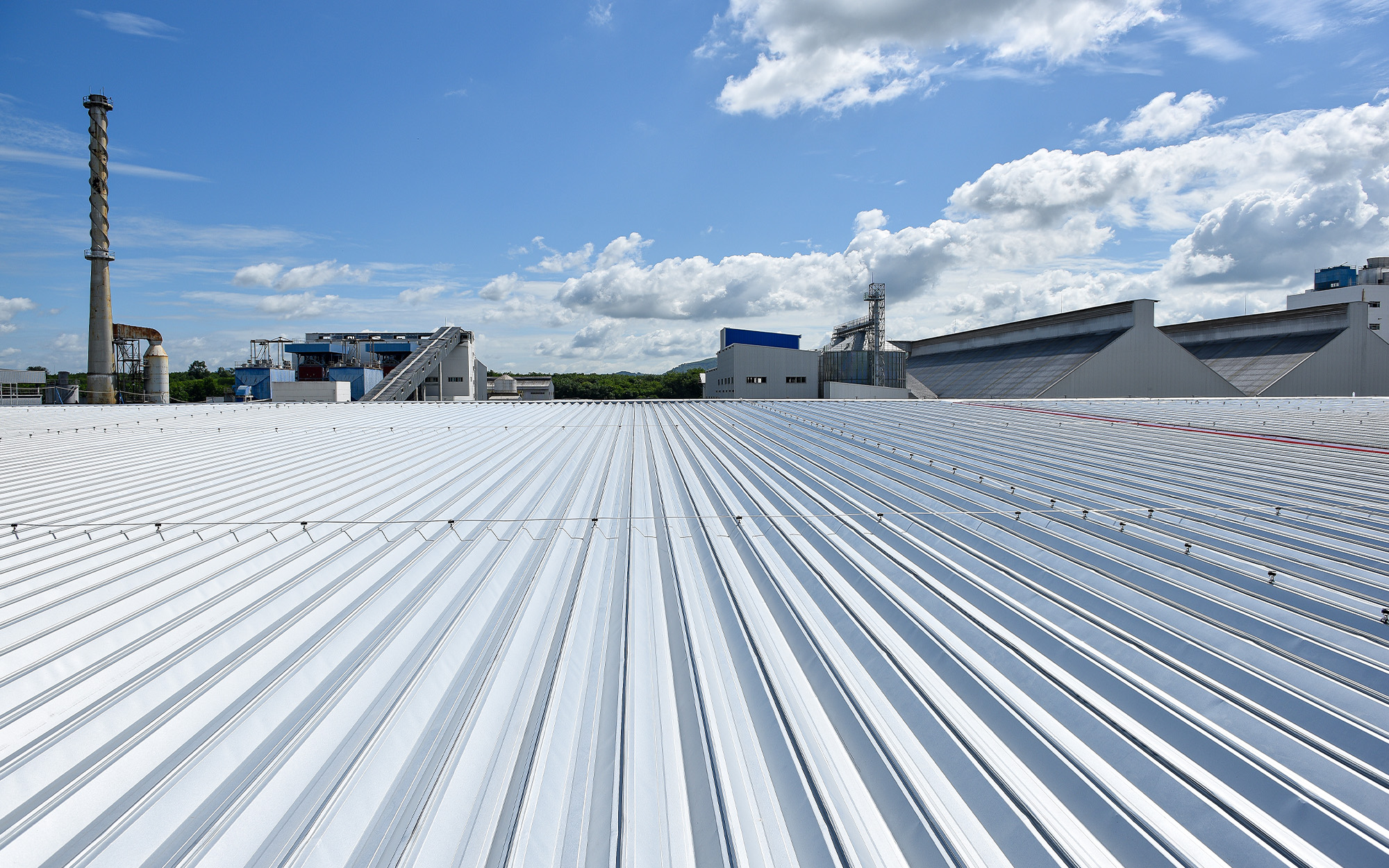
As you contemplate a shift to commercial cool roofing, selecting the right material becomes paramount. Metal roofs, with their high solar reflectance, or specialized cool roof coatings that can be applied over existing roofing materials, are ideal contenders for commercial properties looking to optimize thermal emittance. Just as New Hampshire’s fall season brings a kaleidoscope of colors, it also demands roofing solutions that can handle the temperature swings. By considering the roof’s slope, exposure to the elements, and the unique building requirements, you’ll ensure the material chosen will stand the test of New England weather.
Partnering with the Experts
The installation of a cool roof is not a DIY project; it requires professional expertise to ensure peak performance. An experienced contractor, familiar with both the materials and the local climate, is critical to a successful installation. As you venture into this significant upgrade, consult with specialists who can guide you on the best choices for your property and provide a seamless installation experience. Our team at The Superior Group is equipped to handle every aspect of your roofing needs, which you can explore further by visiting our commercial roof coating services.
Step 1: Understand Cool Roofing
Become familiar with what commercial cool roofing is and how it differs from traditional commercial roofing materials. Research how cool roofing reflects more sunlight and absorbs less heat due to its reflective paint, specialized gravel, or sheet covering.
Step 2: Assess Your Building’s Eligibility
Evaluate if your commercial building in New Hampshire is a viable candidate for cool roofing. Consider factors like the existing roof structure, building design, and local climate conditions, particularly the autumn season’s cool temperatures.
Step 3: Calculate Potential Energy Savings
Analyze the potential energy savings advantages that a cool roof could offer your business. Investigate how the cooler roof surface can reduce cooling needs inside the building, lowering utility costs.
Step 4: Explore Material Options
Explore the various materials used for cool roofing systems. Examine options like reflective single-ply membranes, cool roofing shingles, or coated metal surfaces, focusing on products with proven track records for durability and energy efficiency.
Step 5: Choose a Qualified Contractor
Select a roofing contractor with experience in installing commercial cool roofing systems. Ensure they are licensed and insured, and have a solid reputation in New Hampshire for quality workmanship.
Step 6: Plan the Installation
With your chosen contractor, plan the installation schedule. Prepare for minimal disruption to your business operations, particularly considering the cooler October weather, which could affect the installation process.
Step 7: Maintain Your Cool Roof
Once installed, learn the best practices for maintaining your cool roof to ensure its longevity and performance. Regular maintenance should include debris removal, cleaning, and inspections for damage or wear.
Step 8: Monitor Roof Performance and Savings
Implement a system to monitor the performance of your new cool roof in terms of energy savings and interior comfort levels. Compare energy use before and after installation to track the economic benefits over time.
Common DIY Cool Roofing Pitfalls to Avoid
Engaging in a DIY commercial cool roofing project may seem like an economical shortcut, but it often leads to more complexities than expected. Without professional know-how, many business owners fall prey to errors that can jeopardize both the efficiency of their cool roof and their finances. To ensure the integrity of your roofing venture and achieve the desired commercial cool roofing advantages, steer clear of these commonplace missteps.
Mistake 1: Neglecting Proper Research
Many assume that all roofing materials offer similar benefits, but this is a costly misconception. Not all materials will provide the necessary reflective properties to qualify as a cool roof. To avoid this, thoroughly research and select materials specifically designed to reflect sunlight and emit absorbed heat.
Mistake 2: Overlooking Building Eligibility
Some DIY enthusiasts hastily embark on cool roofing projects without properly assessing their building’s capacity for such an upgrade. Underestimating the importance of structural integrity, local climate, and design can lead to a mismatched roofing solution. Ensure your building in New Hampshire is checked for eligibility by a structural engineer, especially considering the state’s variable fall conditions.
Mistake 3: Misjudging Energy Savings
A common miscalculation is overestimating the immediate energy cost savings without an accurate analysis. Cool roofs have long-term benefits; thus, it’s crucial to calculate anticipated savings over an extended period realistically. Use energy audit tools or consult with professionals to get an accurate forecast.
Mistake 4: Skimping on Material Quality
Opting for lower-cost materials might seem financially savvy, but this can result in reduced performance and lifespan of your cool roof. Quality materials equate to durability and effectiveness, attributes critical for the harsh weather transitions of a New Hampshire fall. Prioritize acquiring materials with a proven track record from reputable suppliers.
Mistake 5: Inadequate Installation
Even with the right materials, improper installation can lead to a plethora of problems. Cool roofing requires expert technique and precision to ensure optimal functionality. It’s essential to either receive thorough training before a DIY attempt or, better still, hire a qualified contractor with specific experience in cool roofing.
Mistake 6: Assuming Maintenance Isn’t Necessary
Some believe that once installed, cool roofs require no maintenance. This neglect can lead to debris accumulation and surface damage, compromising the roof’s reflective properties. Regular maintenance, like cleaning and debris removal, is essential to maintain the cool roof’s advantages over time.
Mistake 7: Ignoring Professional Evaluations
Forgoing professional evaluations post-installation may cause you to miss out on maximizing your energy savings. These evaluations can help fine-tune your building’s energy consumption, ensuring your cool roof is as efficient as possible. Schedule periodic checks with an energy consultant to maintain peak performance.
Maintaining Your Cool Roofing Investment
Routine maintenance is the key to extending the lifespan of your cool roof and ensuring it continues to provide energy saving benefits. Regular inspections can detect issues early on, preventing minor problems from becoming costly repairs. As part of maintenance, keep the roof clean from debris and reflective surfaces free of dirt to maintain its efficacy, especially as New Hampshire’s autumn leaves begin to fall.
Assessing Performance for Continued Efficiency
After installation, it’s crucial to monitor your cool roof’s performance, watching for any changes in energy consumption. Comparing previous energy bills with current costs will highlight the cool roof’s impact on your business’s bottom line. To get professional insights on choosing the right type of roof and ensuring its performance aligns with your expectations, consider our variety of roofing options.