• Discover essential signs that your commercial flat roof requires waterproofing treatment, including pooling water and visible cracks.
• Follow our step-by-step guide for preparing, repairing, and applying waterproofing treatment to protect your investment effectively.
• Learn common waterproofing mistakes to avoid, ensuring a durable and resilient commercial flat roof that withstands New Hampshire’s fall weather.
Recognizing Early Signs of Flat Roof Vulnerability
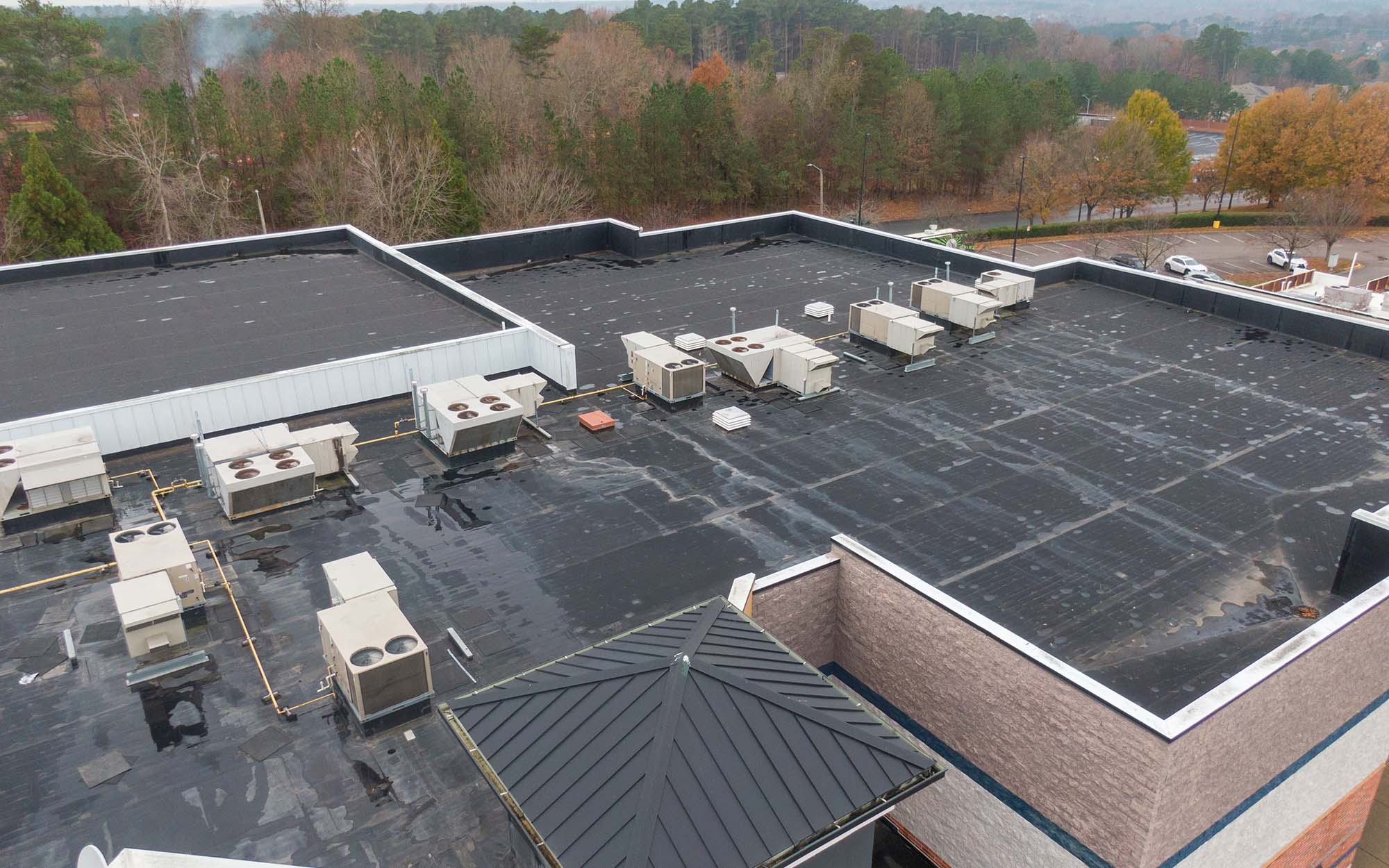
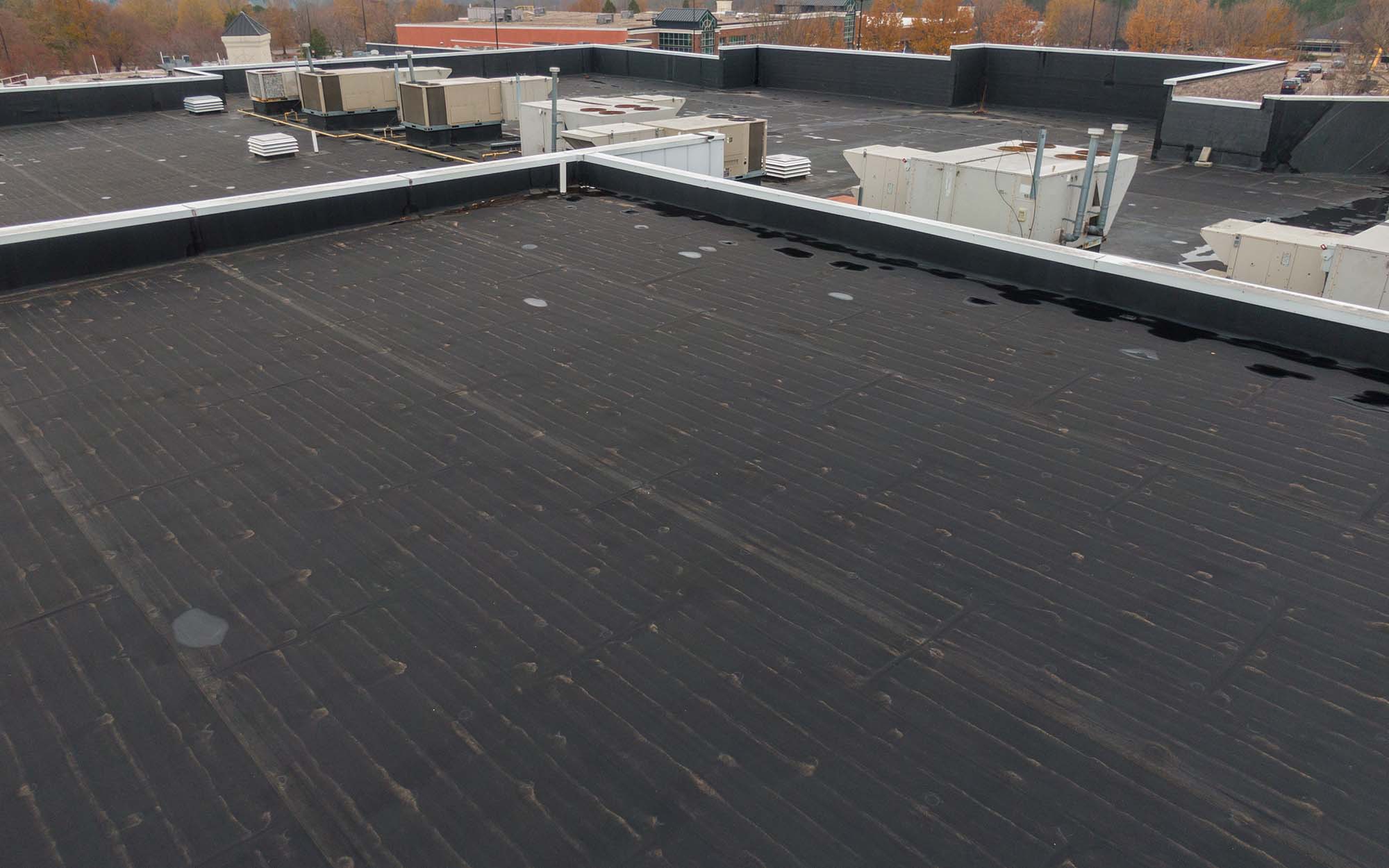
It’s crucial to be vigilant about the condition of your commercial flat roof to prevent small issues from escalating into costly repairs. Early detection of warning signs can save you time and money, and protect your investment. Pooling water on the roof, for instance, is a telltale sign that your drainage may not be effectively directing water away, indicating a potential for water damage if left unaddressed. Blisters or cracks in the roofing material are also signs that your flat roof might be compromised and in need of immediate attention.
The Impact of Weather and Wear
New Hampshire’s distinctive seasonal changes put unique demands on commercial roofing systems. As the seasons shift, particularly entering the cooler, wetter months of fall, it’s essential to assess your roof for durability against these elements. Look for areas where the roof appears worn or where previous repairs may be giving way—these are vulnerable points where water can infiltrate and cause damage. Remember, a proactive approach to roof maintenance can greatly enhance the longevity and performance of your waterproofing treatment.
Mold, Mildew, and Roof Integrity
From an aesthetic and structural standpoint, the presence of mold and mildew should raise immediate concern. Not only are they unsightly, but they also indicate excessive moisture, which can lead to more serious roofing issues if ignored. An effective way to start addressing these concerns is through a thorough cleaning; removing debris and biological growth ensures that the waterproofing treatments adhere properly and provide effective protection for your flat roof against the unpredictable New Hampshire climate.
Preparation Before Protection
Before the waterproofing treatment begins, preparing the roof surface is a vital step to ensuring that the treatment bonds correctly and provides lasting protection. It starts with a thorough cleaning process, which involves removing all debris, such as fallen leaves and accumulated dirt. This level of cleanliness is critical for the waterproofing material to adhere without being compromised by residual particulates. Removing existing algae or other growths is equally important, preventing any potential deterioration of the roof’s material and ensuring a clean surface for treatment.
Addressing Repair Needs
Once cleaning is complete, the roof may require repair work to address any pre-existing damage. This might involve sealing visible cracks or fixing any identified leaks. It’s imperative that all seams and joints are also checked and sealed tightly to prevent future water ingress. The Superior Group’s services include a rigorous check and repair process, ensuring that your commercial flat roof is fully prepped and ready for the waterproofing application that follows.
Step 1: Evaluate Your Commercial Flat Roof Condition
Assess your commercial flat roof for any signs of existing damage or wear. Look for pooling water, cracks, blisters, or signs of mold and mildew. Evaluating the current state of your roof is crucial to determine the appropriate waterproofing treatment.
Step 2: Clean the Roof Surface
Before any treatment can be applied, it’s important to thoroughly clean the roof surface. Remove debris, dirt, and existing algae or mold. This ensures the treatment will adhere properly and last longer.
Step 3: Repair and Prep Work
Address any necessary repairs such as sealing cracks or fixing leaks. Ensure all seams are tightly sealed. Applying a primer may be required to prepare the surface for the waterproofing treatment, depending on the product specifications.
Step 4: Choose the Right Waterproofing Material
Select a waterproofing treatment suitable for commercial flat roofs and the specific conditions in New Hampshire. Consider seasonal weather patterns and the typical demands of the local climate.
Step 5: Apply the Waterproofing Treatment
Apply the selected waterproofing material evenly across the roof, following the manufacturer’s guidelines. Use professional tools and ensure you do not leave any gaps uncoated to prevent future leaks.
Step 6: Inspect for Quality and Coverage
Once the application is complete, inspect the roof to ensure full coverage. Check for uneven application or missed spots, as these can lead to vulnerabilities in the roof’s protection.
Step 7: Maintain Regular Inspections and Upkeep
After the waterproofing treatment, set up a regular maintenance schedule. Inspect the roof periodically for any signs of damage, especially after severe weather conditions common in the fall season in New Hampshire.
Step 8: Plan for Reapplication
Understand that waterproofing treatments do not last indefinitely. Plan for reapplication in the future based on the product lifespan, to ensure your commercial flat roof remains well-protected against water damage.
Avoiding Common Waterproofing Pitfalls
When undertaking the task of waterproofing your commercial flat roof, common missteps can lead to less-than-ideal outcomes and compromise the integrity of your roofing system. Misunderstanding the condition of your roof or improperly applying waterproofing materials can turn a solution into a new problem. To ensure that you are providing the most effective treatment for your roof, it’s important to recognize and avoid these frequent errors.
– Mistake 1: Insufficient Roof Inspection
Skipping a thorough inspection or misjudging the extent of damage can lead to inappropriate waterproofing applications. Ensure that you closely examine your flat roof for all signs of existing wear and damage, such as pooling water and cracked areas.
– Mistake 2: Inadequate Cleaning
Applying waterproofing treatment over an unclean surface will likely result in poor adhesion and shortened treatment lifespan. Always clean the roof meticulously, removing all debris, dirt, and biological growth to prep the surface properly.
– Mistake 3: Overlooking Repairs
Ignoring necessary repairs before applying a waterproofing coating is a critical mistake. Address all needed repairs, seal all cracks and leaks, and ensure that the roof surface is as smooth and even as possible before proceeding to the waterproofing step.
– Mistake 4: Poor Material Choice
Using the wrong waterproofing materials can cause a host of issues, from immediate leaks to early degradation of the coating. Select a material that’s suitable for commercial flat roofs and the local climate conditions of New Hampshire, considering the temperature fluctuations and seasonal weather patterns.
– Mistake 5: Uneven Application
Failing to apply the waterproofing treatment evenly can lead to spots vulnerable to water penetration. Follow the manufacturer’s application guidelines to the letter, ensuring complete and even coverage across the entire roof area.
– Mistake 6: Neglecting Post-Application Inspection
Not inspecting the roof after the waterproofing application can result in missing imperfections that could later cause leaks. Conduct a detailed inspection post-application to ensure full coverage and correct any deficiencies immediately.
– Mistake 7: Inconsistent Maintenance
Even after successful waterproofing, failing to maintain your flat roof can lead to future problems. Set up a schedule for regular inspections, particularly after New Hampshire’s harsh fall weather, to ensure that your waterproofing treatment remains effective.
– Mistake 8: Infrequent Reapplication Scheduling
Waterproofing treatments are not a one-time solution. Keep track of the product’s expected lifespan and plan for future reapplications to continually protect your commercial flat roof from water damage.
Selecting the Suitable Waterproofing Solution
Choosing the right waterproofing material is pivotal for the effectiveness of the treatment. Factors such as the specific type of commercial flat roof and the harshness of New Hampshire weather, particularly during the fall when rainfall can be frequent, must be taken into account. This crucial decision not only impacts the immediate water resistance of the roof but also its long-term durability against the elements.
Professional Application for Lasting Results
Applying the chosen waterproofing treatment requires precision and expertise to ensure even coverage across the entire roof surface. The Superior Group specialists are adept at using professional tools and techniques, following the manufacturer’s guidelines closely to eliminate any possibility of future leaks. For more information on the application process and the materials used, you can explore the range commercial roof coating services offered by The Superior Group.