• Assess Building’s Suitability: Start with professional structural integrity evaluation for green roof viability.
• Follow Detailed Installation Guide: Learn step-by-step commercial green roof installation, from permits to plant selection.
• Avoid Common DIY Errors: Discover practical mistakes to dodge and ensure a successful green roof project.
Recognizing the Signs: Is Your Building Ready for a Green Roof?
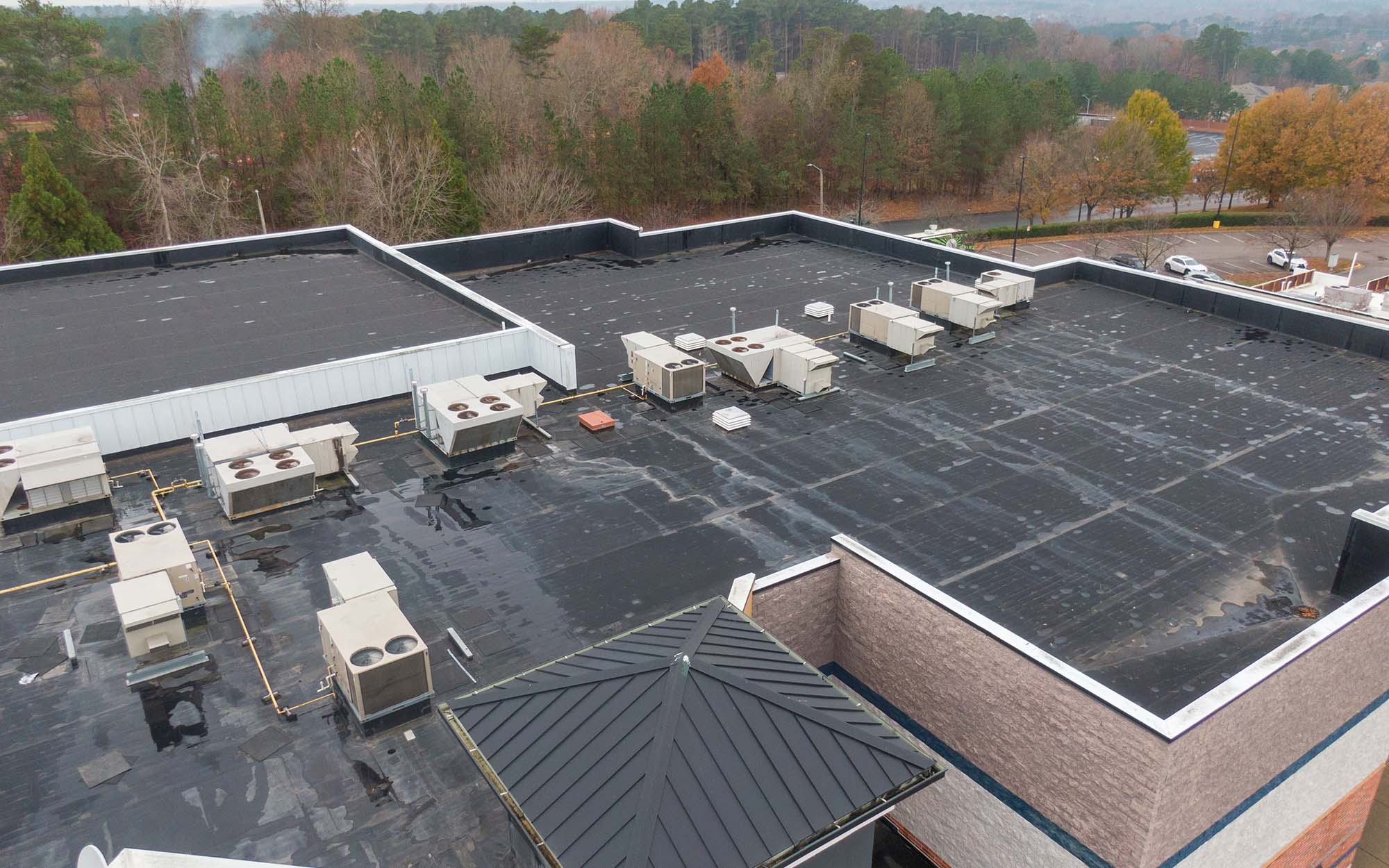
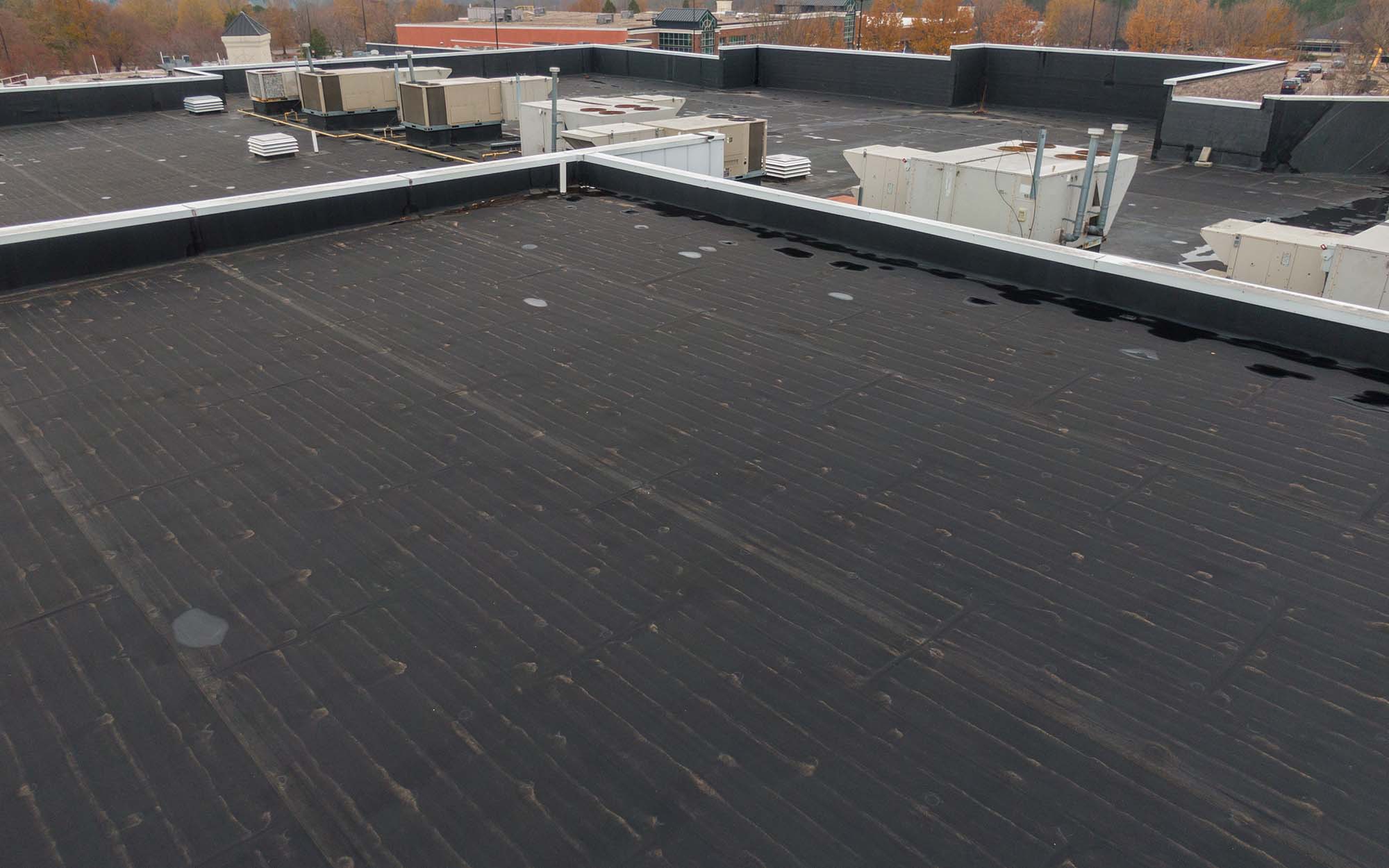
Be vigilant for early warnings that could signal your commercial building in Pennsylvania isn’t ready for a green roof transformation. If you’ve noticed sagging in the roofline or leaks that repeatedly occur despite repairs, these may be telltale signs that the structural integrity is compromised. Cracks in the facade or walls and an inspection history suggesting historical neglect could further hint that your building is not prepared for the additional load. It’s essential to address these red flags before considering the addition of a living roof, as they could lead to serious safety concerns and escalating repair costs.
The allure of a lush, green canopy atop your commercial property is exciting, but let’s not rush without a thorough evaluation. The weight of soil, plants, and retained water can impose a significant load, so a detailed inspection by a qualified structural engineer is critical. They’ll assess factors like load-bearing capabilities and existing roof conditions, ensuring that the plans align with the practical realities of your building’s architecture. With their expert assessment, long-lasting performance of enthralling green roofs is not a far-fetched dream but a calculable certainty.
Preparing for the Green Transformation
As autumn flaunts its colors in Pennsylvania, it’s the perfect time to turn your vision of a commercial green roof into a tangible blueprint. But before any sod is laid or seeds sown, dive into the essentials of design with a focus on drainage systems, access points, and most importantly, your choice of vegetation. Opting for native species and those that thrive in cooler temperatures late into the year can enhance survival rates and guard against ecological mismatches. Crafting a layout sensitive to factors like sun exposure and prevailing winds will not only benefit your green roof’s flora but also leads to a visually stunning and ecologically harmonious result.
Navigating the Permits and Protocols
Greenlighting your project goes beyond crafting a visionary design; it involves ensuring that every step is in strict compliance with local regulations in Pennsylvania. Acquiring the appropriate permits might seem daunting; however, it’s a necessary step to formalize your green roof plans. Present your design and await approval, all the while learning about the environmental statutes that protect our beloved landscapes. This due diligence ensures your commercial green roof doesn’t just inspire with its aesthetics but stands as a testament to responsible and sustainable development.
Installation Imperatives: Laying the Foundations
In the spirit of sustainability and resilience, the groundwork for your green roof begins with waterproofing. Without a robust waterproof membrane, your commercial property could fall victim to damaging leaks, possibly affecting the structural integrity and longevity of the installation. Adding a root barrier is equally important, as it thwarts root penetration that might harm roofing materials. These initial steps are critical in safeguarding your investment against the elements and ensuring that your green roof becomes a longstanding hallmark of environmental stewardship.
Optimizing for Performance: Drainage and Irrigation
Next, we must consider Pennsylvania’s diverse weather patterns, which call for smart drainage and irrigation solutions to avoid water-related complications. Your green roof will need a reliable drainage system to handle heavy rainfall, preventing possible water pooling that can lead to plant decay and roof damage. An appropriate irrigation system is also paramount, as it will counteract the drying effects of brisk fall winds. For more insights into optimizing your commercial property for environmental and functional efficacy, explore our comprehensive services tailored to your needs.
Step 1: Assess the Viability
Begin by evaluating the structural integrity of the building to ensure it can support the additional weight of a green roof. Consult with a structural engineer who can give you a detailed assessment based on the architecture and condition of the existing roof.
Step 2: Design the Green Roof Layout
Design the layout, considering factors like drainage, walkways, and vegetation zones. Choose plants suited for Pennsylvania’s climate and the specific conditions of the rooftop, such as wind exposure and sunlight availability.
Step 3: Obtain Necessary Permits
Before starting on any construction, ensure you have all the permits required for commercial green roof installation in Pennsylvania. This may involve presenting your design plans to the local authorities and adhering to any regional environmental regulations.
Step 4: Install Waterproofing and Root Barriers
To protect the building, install a high-quality waterproof membrane and a root barrier that prevents roots from penetrating the roof’s surface. This is an essential step to avoid costly water damage in the future.
Step 5: Set Up Drainage and Irrigation Systems
A proper drainage system will prevent water pooling which could damage the roof and plantings. Depending on your design, you may also need to install an irrigation system to keep your vegetation adequately watered.
Step 6: Lay the Growing Medium
Spread a layer of soil or other growing medium that’s specially formulated for green roofs. It should be lightweight yet rich enough to support plant life and maintain necessary nutrients.
Step 7: Plant Vegetation
Take your selected plants and arrange them across the green roof according to your design plan. Ensure each plant is properly secured and has enough space to grow.
Step 8: Conduct Regular Maintenance
Finally, set up a maintenance plan for the upkeep of your green roof. This includes periodic weeding, fertilizing, and trimming, as well as checking and managing the irrigation and drainage systems to ensure that they function optimally throughout the seasons.
Avoiding Green Roof Pitfalls: Common DIY Mistakes
When venturing into the world of commercial green roofs, enthusiasm can sometimes lead to oversight. A thorough understanding of the installation process can prevent costly and time-consuming errors. Let’s delve into the common DIY missteps you should sidestep to ensure your green roof project in Pennsylvania is a resounding success.
Mistake 1: Underestimating Structural Requirements
Often, DIY enthusiasts fail to assess the structural integrity adequately before installation. This oversight can result in excessive weight burdening the building, leading to structural concerns. Ensure that a professional evaluation is conducted to avoid such risks.
Mistake 2: Poor Design and Planning
A green roof needs meticulous planning, considering both functionality and aesthetics. Overlooking the importance of proper drainage, walkway placement, or plant suitability to Pennsylvania’s climate can hamper the roof’s longevity. Invest time in design planning, or consult with a landscape architect to sidestep these pitfalls.
Mistake 3: Skipping Necessary Permits
Every region has its building code requirements and skipping the step to obtain permits can leave you liable. Not only could you face fines, but you might also be required to dismantle any work done. Always verify and comply with local regulations before starting your project.
Mistake 4: Inadequate Waterproofing and Root Barriers
Cutting corners on waterproofing and root barriers might save you money initially but can lead to expensive damages later. Substandard materials or incorrect installation can allow moisture and roots to penetrate the building, causing leaks and structural damage. Always opt for quality barriers and skilled installation.
Mistake 5: Improper Drainage and Irrigation
Neglecting proper drainage can lead to water pooling and plant rot, while the incorrect irrigation can cause drought stress to plants. Both can jeopardize the health of your green roof. Implement a well-designed drainage and irrigation system from the outset to prevent these issues.
Mistake 6: Incorrect Medium and Overloading
The choice of soil or growing medium must be balanced for nutrient content and weight. Using a medium that’s too heavy or lacks nutrients will potentially compromise plant health and roof integrity. Opt for a growing medium formulated for green roofs to ensure balance.
Mistake 7: Misplanting
Incorrect planting techniques or spacing can stymie plant growth and lead to overcrowding or underutilized spaces. Follow proper planting guidelines and give each plant the recommended room to grow.
Mistake 8: Neglecting Maintenance
Assuming your green roof is self-sustaining post-installation is a perfect set-up for failure. Regular maintenance is key to a thriving green roof. Schedule routine checks and maintenance tasks to keep your green roof in peak condition.
Cultivating Your Ecosystem: Soil and Plant Selection
Carefully laying down the growing medium forms the basis for nurturing the ecological array on your rooftop. Choose a soil composition that balances weight with nutrient richness, providing a lush bed for your greenery to flourish. Selecting the right plants is not just about aesthetics; it’s about creating a thriving ecosystem that supports Pennsylvania’s native biodiversity.
Green Roof Maintenance: Ensuring Longevity
Once your green roof is fully installed, the focus shifts to maintenance. Regular upkeep is imperative to ensure your green investment prospers through the changing seasons. From weeding to monitoring soil health, consider scheduling a tailored maintenance program that fits the unique needs of your installation with our expert teams.