• Learn to identify signs your commercial roof needs coating and steps for preparation
• Step-by-step guide for choosing materials and applying commercial roof coating
• Practical tips to avoid common mistakes and maintain your coated roof for longevity
Introduction: Recognizing the Warning Signs of a Worn Commercial Roof
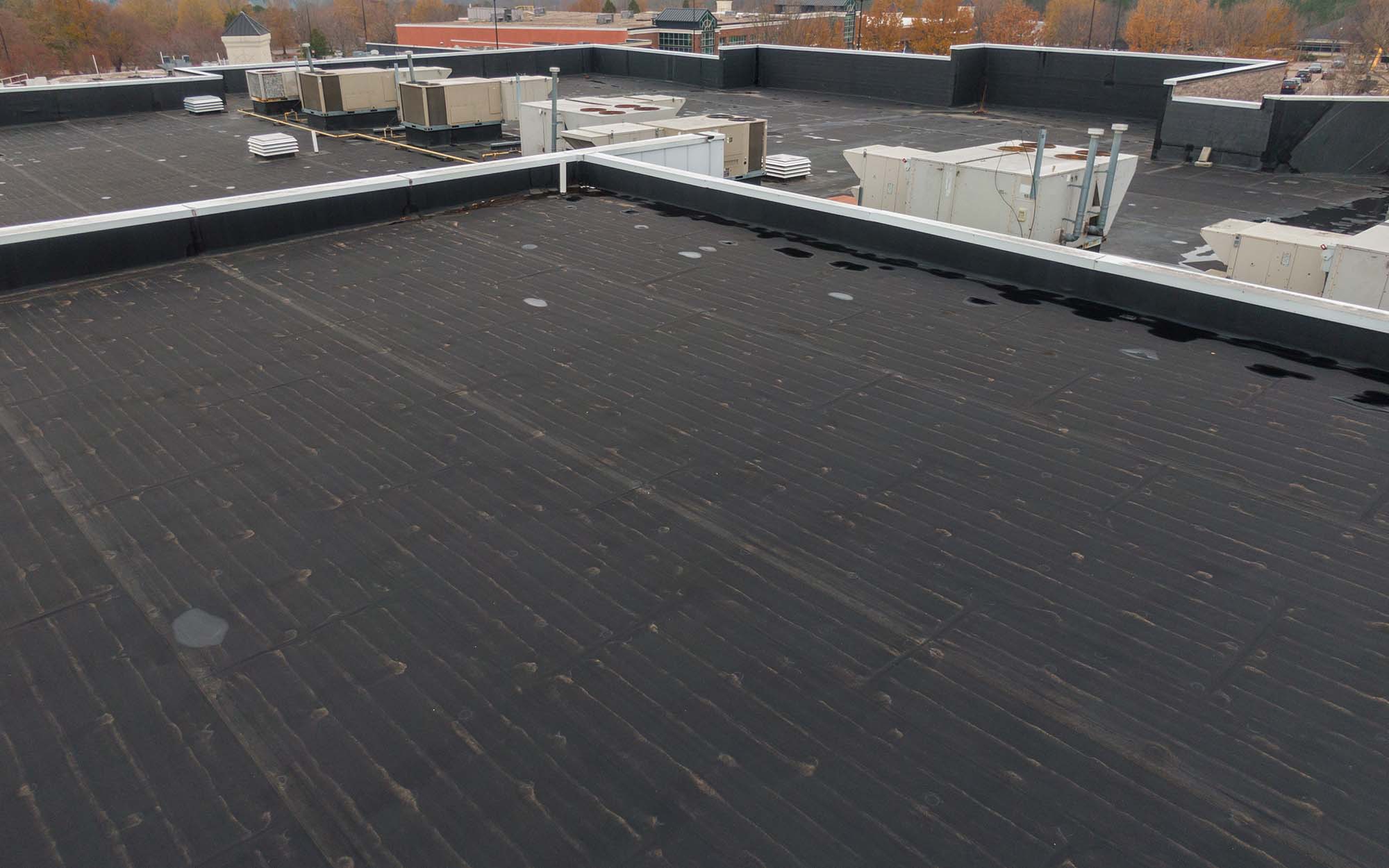
Before delving into the intricacies of commercial roof coating application, it’s crucial to identify the telltale signs that suggest your roof may need attention. A comprehensive evaluation is the first line of defense against potential failures that could lead to expensive repairs down the line. Deterioration often manifests in the form of cracks, blisters, or bubbles on the roof’s surface, and spotting these early can save you substantial time and resources. These irregularities signal that your roof has been battling the elements and may be compromised in its ability to protect your establishment.
Repeated exposure to harsh weather, especially the summer sun in New Hampshire, can accelerate your roof’s aging process. Discoloration, a subtler hint, indicates that the roofing material is weakening under UV rays, which can lead to more serious issues like leaks or thermal inefficiency. If you notice a pattern of water stains inside your building or persistent pooling of water on the roof itself, it’s a strong indicator that the existing roofing system is faltering. Such symptoms underscore the importance of not only cleaning but also maintaining the structural integrity of your building’s crowning layer.
Preparing for Coating Application
Any journey to extend the lifespan of your roof should commence with Step 2: Clean the Roof Surface of all impurities. Efficient cleaning sets the stage for a successful coating application by ensuring the utmost adhesion—the cornerstone of a durable, seamless coating. Neglecting this step can result in a flawed application, where the roof coating fails to bond, reducing its effectiveness and lifespan. Therefore, invest the time in thoroughly ridding your roof of debris, utilizing appropriate tools and methods that won’t compromise the roofing substrate.
Following a spotless sweep, the next move is to Step 3: Make Necessary Repairs to your commercial roof. Whether it’s sealing open seams or replacing damaged membranes, addressing these issues preemptively ensures a robust foundation for the new protective layer. This commitment to preemptive repair sets a proactive tone for the ongoing care your commercial asset requires. It’s not just about fixing current problems; it’s building a stable base for future protection against the weather’s whims.
Choosing the Right Coating Material
Selecting the ideal coating for your commercial roof is a pivotal decision that warrants careful consideration. Not all coatings are created equal, and your choice can significantly impact the longevity and performance of your roof. It’s crucial to understand the unique climate challenges that New Hampshire presents to ensure the coating material can withstand local weather patterns. By visiting our detailed guide on roof types, you can gain insights into which materials work best with different roofing systems.
With summer’s peak heat in August, a reflective coating may be beneficial to combat the high UV index’s toll on roofing materials. A good quality coating not only seals existing cracks but also imparts additional resistance to UV rays, helping to regulate building temperature and reduce cooling costs. Moreover, specialized coatings can add a level of waterproofing and prevent damage from summer storms. To learn more about the advantages of different coatings and services available, consider exploring commercial roof coating services that cater specifically to the regional nuances.
Application Process: Ensuring Quality and Uniformity
The application of roof coating is a meticulous process where precision and consistency are key. Using the right tools, such as rollers or sprayers, and applying an even layer across the roof’s entirety ensures that no portion is left unprotected. This uniformity in application is vital to prevent any future points of weakness or vulnerability in the roof’s defense against environmental elements. For a flawless finish, follow manufacturer guidelines and employ the expertise of seasoned professionals who are well-versed in commercial roofing solutions.
The post-application inspection is a critical step to guarantee that the coating has adhered correctly and uniformly. An even spread without missed spots or air bubbles is a hallmark of a job well done. It is this thoroughness that culminates in a robust, weather-resistant roof, primed for New Hampshire’s variable conditions. If you are uncertain about this step, professional roof inspection services can provide a comprehensive evaluation and peace of mind.
Step 1: Assess the Current State of Your Commercial Roof
Begin by examining the current condition of the roof to determine if it’s suitable for a coating application. Look for signs of aging, damage, or previous repairs.
Step 2: Clean the Roof Surface
Thoroughly clean the roof to remove any dirt, debris, and loose material that could interfere with the adhesion of the coating.
Step 3: Make Necessary Repairs
Address any issues such as leaks, tears, or structural weaknesses before proceeding with the coating application.
Step 4: Choose the Right Coating Material
Select a commercial roof coating product that’s appropriate for your climate and roofing material in New Hampshire.
Step 5: Apply the Primer (If Required)
Some roof coatings require a primer layer. If yours does, apply the primer according to the manufacturer’s instructions.
Step 6: Apply the Commercial Roof Coating
Using recommended tools and following the manufacturer’s guidance, apply the commercial roof coating evenly across the surface.
Step 7: Inspect the Application
After the application, inspect the roof to ensure the coating is evenly spread and there are no missed spots or bubbles.
Step 8: Schedule Periodic Maintenance Checks
To extend the life of your commercial roof coating, schedule regular inspections to check for wear and tear, especially before and after the harsh New Hampshire winters.
Common Mistakes to Avoid in Commercial Roof Coating Application
When taking on the task of applying a commercial roof coating, it’s easy to fall into traps that could compromise the integrity of your roof. Many of these errors stem from misinformation or a lack of preparation and understanding of the coating process. This guide highlights several common pitfalls, how they can negatively impact your application, and advises on how to sidestep them, ensuring your roof’s longevity and performance.
Mistake 1: Inadequate Roof Assessment
Skipping a thorough inspection can lead to incorrect assessments of your roof’s suitability for coating. This oversight might cause you to miss out on signs of deeper damage, resulting in a less effective coating application. To prevent this, perform an exhaustive roof condition assessment and address any issues prior to the coating process.
Mistake 2: Poor Cleaning Practices
Failure to clean the roof properly before applying the coating can lead to poor adhesion and shortened lifespan of the coating. Dirt and debris left on the surface can create barriers between the coating and the roof. Ensure a detailed cleaning process is followed so the coating can bond effectively.
Mistake 3: Ignoring Necessary Repairs
Applying coating over areas that require repair is like putting a band-aid on a wound that needs stitches. Leaks, tears, and structural issues must be repaired before coating; otherwise, you’re setting yourself up for future failures. Tackle the necessary repairs head-on for a sound and solid foundation for your coating.
Mistake 4: Choosing The Wrong Coating Material
Different roofing materials react distinctively to various coating types, and the climate in New Hampshire requires a specific kind of protection. Using the wrong material may result in inadequate coverage and protection. Research and select a coating that complements your roof’s material and New Hampshire’s climate.
Mistake 5: Incorrect Primer Application
Primer acts as a fundamental layer for the roof coating; however, applying it incorrectly or unevenly can adversely affect the coating’s adhesion. Follow the manufacturer’s instructions to the letter when applying the primer, ensuring it corresponds correctly with your coating choice.
Mistake 6: Uneven Coating Application
An uneven application can lead to areas of vulnerability on your roof, reducing the efficacy of the protective layer. Consistency is crucial; use the recommended tools and techniques to apply an even coat. Re-examine your application methods to ensure you’re achieving the intended thickness throughout.
Mistake 7: Neglecting Post-Application Inspection
Assuming the job is done after the last brushstroke without a proper inspection can lead to missed imperfections. A comprehensive post-application evaluation helps rectify any issues before they become larger problems. Take time to inspect the roof for evenness and potential vulnerabilities after the coating is applied.
Mistake 8: Infrequent Maintenance Checks
If regular inspections are not conducted, deterioration may go unnoticed, leading to premature failure of the roof coating. Establish a routine for maintenance checks, particularly considering New Hampshire’s seasonal changes. Addressing minor wear and tear proactively can extend the coating’s effectiveness and durability.
Ensuring Long-Lasting Protection
After the successful application of the roof coating, it’s crucial to implement a routine inspection schedule. Regularly monitoring your roof’s condition, especially ahead of and following New Hampshire’s unpredictable winter, can preemptively identify any issues. Such vigilance ensures that you maintain the protective benefits of your roof coating for as long as possible, safeguarding your investment and property.
For more information on effective maintenance practices or if you suspect your commercial roof may require professional attention, do not hesitate to seek expert roofing services. A proactive approach to roof care, complemented by professional expertise, is key to extending the lifespan of your commercial roof. Trusting professionals with in-depth knowledge of local weather challenges allows you to rest assured that your commercial roof remains resilient year-round.