• Learn the fire ratings your commercial roof needs to meet New Hampshire’s safety codes
• Discover the common mistakes to avoid and best practices for commercial roof fire safety
• Find immediate steps for assessing and upgrading your roof to comply with fire rating standards
Recognizing Problematic Signs in Commercial Roofing
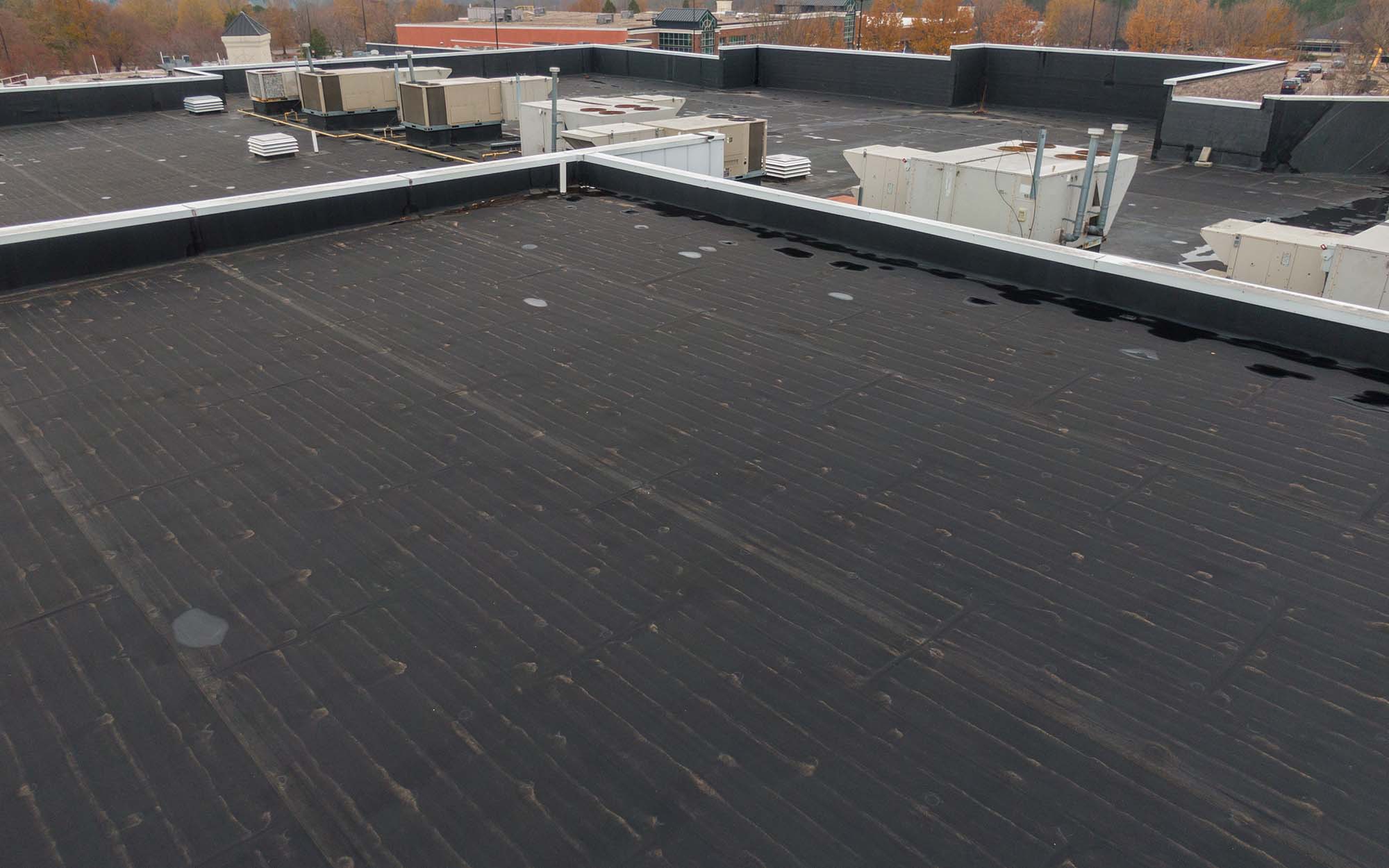
When it comes to commercial roof fire rating standards, early detection of issues can be the key to safeguarding your property. If you notice a degradation in the roofing material, such as warping, cracking, or bubbling, this could be a sign of compromised fire resistance. Another warning sign is the presence of moisture, which not only indicates potential leaks but also a reduction in the roof’s ability to withstand fire. It is imperative to conduct regular inspections, especially before New Hampshire’s harsh winters, to detect these early signs of damage.
Unexplained odors of smoke or an increase in indoor temperature may signal that your roof’s fire defenses are failing. The history of your commercial roof may also hold clues; if it has been a while since the last fire resistance upgrade, or if documentation is lacking, it’s likely time for a thorough assessment. An undiagnosed problem in fire rating can escalate quickly, jeopardizing not only your investment but the safety of building occupants. Regular assessments are crucial, and if there’s any doubt about your roof’s condition, consulting with a professional is a wise next step.
Being proactive can save your business from potential disaster. If your building has experienced a close call with fire or has been exposed to frequent extreme temperatures, these are stress factors you should not ignore. The materials used in your roof should meet or exceed New Hampshire’s commercial roofing codes; failure to do so might be an indication that immediate action is required. Always consider expert advice to guide the upgrade process and ensure that your commercial roof’s fire rating is up to standard.
Step 1: Familiarizing Yourself With Fire Rating Classifications
Understanding the fire rating classifications is essential for any commercial property owner. Class A roofing materials offer the highest level of fire resistance, often required in areas where the risk of wildfires or industrial fires is high. Conversely, Class B and C ratings provide moderate to low fire resistance and may not be suitable for all commercial settings. To ensure the optimal choice for your building, it’s important to understand what each rating entails and how it applies to your specific needs and location.
Selecting the right materials for your commercial roof is a balance between meeting safety requirements and practicality. Each class of fire rating has its distinct set of materials that can withstand varying levels of exposure to flames and hot gases. By understanding these differences, you can make an informed decision that aligns with both New Hampshire’s safety regulations and your business’s safety strategies. Detailed information about the service offerings can be found on the group’s service page, including specifics on commercial roof coatings that meet regulatory standards.
Step 2: Navigating New Hampshire’s Building Codes
Regulations for commercial roofing in New Hampshire can be intricate, with each code tailored to address the unique seasonal risks the region faces. As fall approaches, bringing with it the potential for dry conditions and increased fire hazards, compliance becomes even more critical. These regulations are in place to mitigate risk and protect both the property and lives within. It’s not just about selecting fire-resistant materials; it’s also ensuring they are installed and maintained according to the law.
Being well-informed about local codes isn’t just about avoiding penalties; it’s about playing your part in the community’s safety. Stay updated with New Hampshire’s building and fire safety codes by regularly checking official resources or consulting with industry experts. This proactive approach will help you avoid any needless disruptions to your business operations due to non-compliance. For more insights into the types of systems available that comply with state standards, visit the roof types page.
Step 1: Understand Fire Rating Standards
Begin by familiarizing yourself with the fire rating classifications for commercial roofing materials. Learn the difference between Class A, B, and C ratings and their respective fire resistance capabilities.
Step 2: Review Local New Hampshire Codes
Investigate New Hampshire’s specific building codes and regulations regarding commercial roof fire safety to ensure full compliance with state requirements.
Step 3: Assess Your Current Commercial Roof
Evaluate your existing commercial roof’s fire rating. If you’re unsure, consider hiring a professional to determine the materials used and their current fire rating classification.
Step 4: Plan for Upgrades if Necessary
If your roof doesn’t meet the highest fire rating standards, plan the necessary upgrades. Look for materials that are rated Class A, which provides the highest level of fire resistance.
Step 5: Select Fire-Resistant Materials
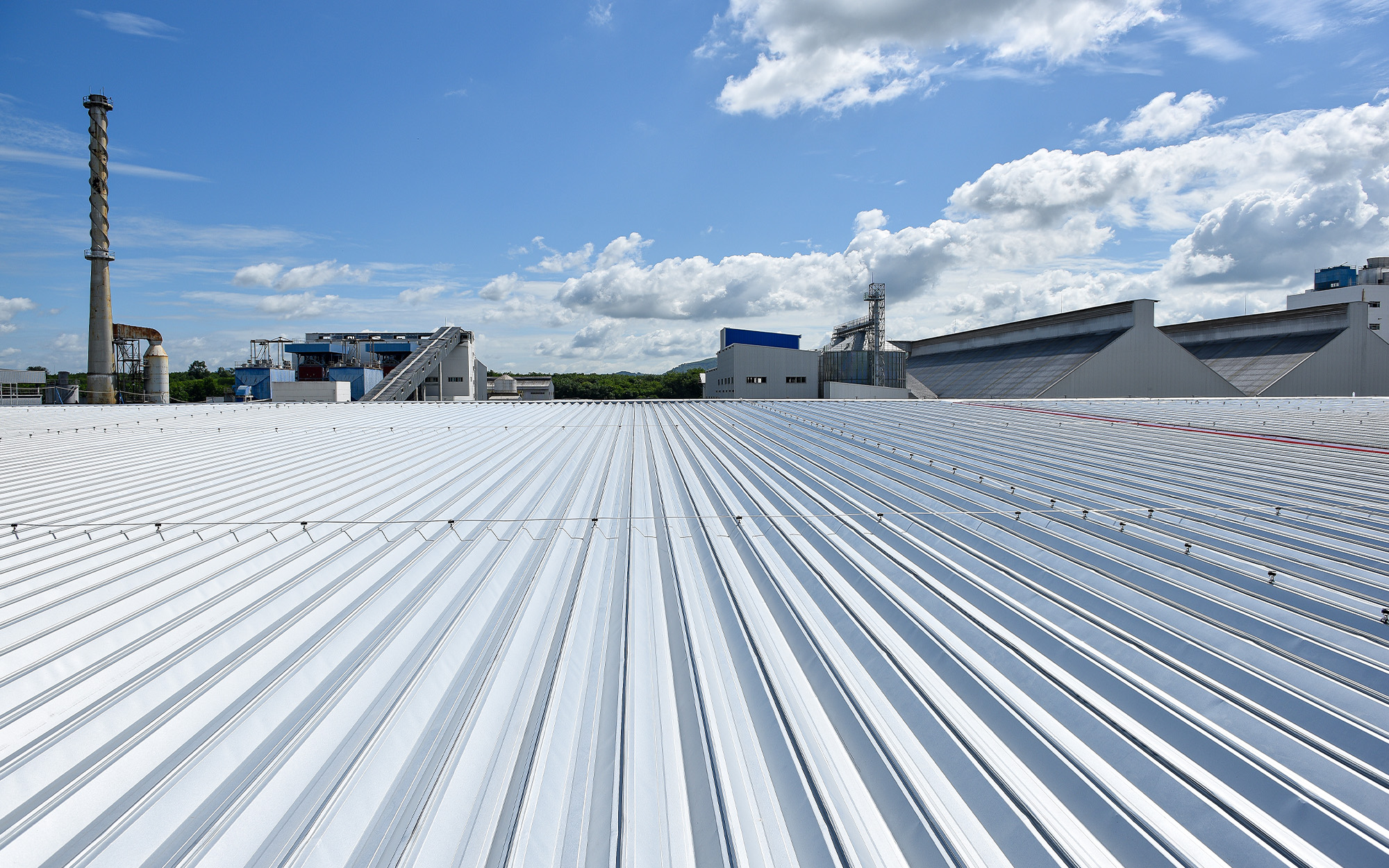
Choose commercial roofing materials that align with fire rating standards and provide suitable protection for your building. Popular fire-resistant materials include metal roofing, clay tiles, and concrete tiles.
Step 6: Hire a Qualified Roofing Contractor
Select a licensed roofing contractor experienced in installing fire-rated materials. Ensure they understand the importance of adhering to New Hampshire’s fire rating regulations.
Step 7: Monitor the Installation Process
Oversee the installation to ensure that the new roofing materials are fitted correctly and in accordance with the fire rating standards. Pay attention to the quality of the work and the contractor’s adherence to safety protocols.
Step 8: Maintain Your Roof Regularly
Once the installation is complete, maintain your new roof with regular inspections and repairs. This will help preserve its fire-resistance capabilities and ensure continued compliance with fire rating standards.
Common Mistakes to Avoid When Improving Commercial Roof Fire Safety
While proactivity is admirable in enhancing your commercial roof’s fire safety, certain pitfalls can undermine your efforts. These common mistakes can compromise the integrity of your roof and negate your compliance with New Hampshire’s rigorous fire rating standards. Understanding these errors is crucial to ensure your property is protected and your upgrades adhere to the highest standards of fire safety.
- Mistake 1: Overlooking Local Building Codes – Many people dive into the process without a thorough knowledge of the specific building codes in New Hampshire. This can lead to non-compliance and potential legal issues. To prevent this, always review the local regulations before beginning any work on your commercial roof.
- Mistake 2: Misinterpreting Fire Rating Classifications – It’s not uncommon to confuse the different classes of fire ratings and their requirements. This could result in choosing materials that are below the necessary standard. Avoid this by educating yourself on what each fire rating means and which is required for your particular building’s location and usage.
- Mistake 3: Neglecting Regular Maintenance – Failing to maintain the roof after initial compliance can lead to degradation of fire resistant qualities over time. To circumvent this, implement a schedule for regular maintenance checks to preserve the roof’s fire rating standard.
- Mistake 4: Hiring Unqualified Contractors – Entrusting the job to contractors without the proper qualifications or experience with fire-rated materials can be a grave error. Ensure you hire a contractor who is well-versed in local codes and experienced with the specific materials your roof requires.
Step 3: Assessing Your Commercial Roof’s Fire Rating
Evaluating your commercial roof’s current fire rating is a proactive step in fire risk management. This assessment can help you understand if your roof requires an upgrade to meet New Hampshire’s strict codes for the fall season. If you’re having trouble determining the fire rating of your existing roof, consider reaching out to a professional for a precise evaluation.
An expert assessment not only sheds light on the fire resistance of your roof’s materials but also highlights areas that may need immediate attention. It’s a critical move that can spare you the significant costs and safety concerns associated with unexpected fire incidents. For comprehensive evaluations and professional advice, turn to the experienced team detailed on the commercial roof replacement page.
Step 4: Planning for Roofing Upgrades
If findings indicate that the existing roofing does not conform to the required commercial roof fire rating standards, planning for upgrades becomes necessary. Search for materials with a Class A rating to ensure your roof’s fire resistance is as robust as possible. This planning stage is critical, especially with the dry conditions that often accompany New Hampshire’s fall season, which could increase fire hazards.
Failing to meet the necessary fire rating standards can leave your establishment vulnerable to potential fire risks. Upgrading your commercial roofing materials not only boosts fire safety but also aligns with the preventive measures needed for the season’s challenges. For more details on fire-resistant roofing options that meet your establishment’s needs, visit the commercial roof coating page.