• Identify signs of poor drainage and assess your roof’s current design to prevent water damage.
• Understand Pennsylvania’s fall weather challenges and plan adequate drainage systems to protect your commercial property.
• Regular maintenance is key; learn proactive steps to optimize your roof’s drainage performance and longevity.
Recognizing Warning Signs of Inadequate Drainage
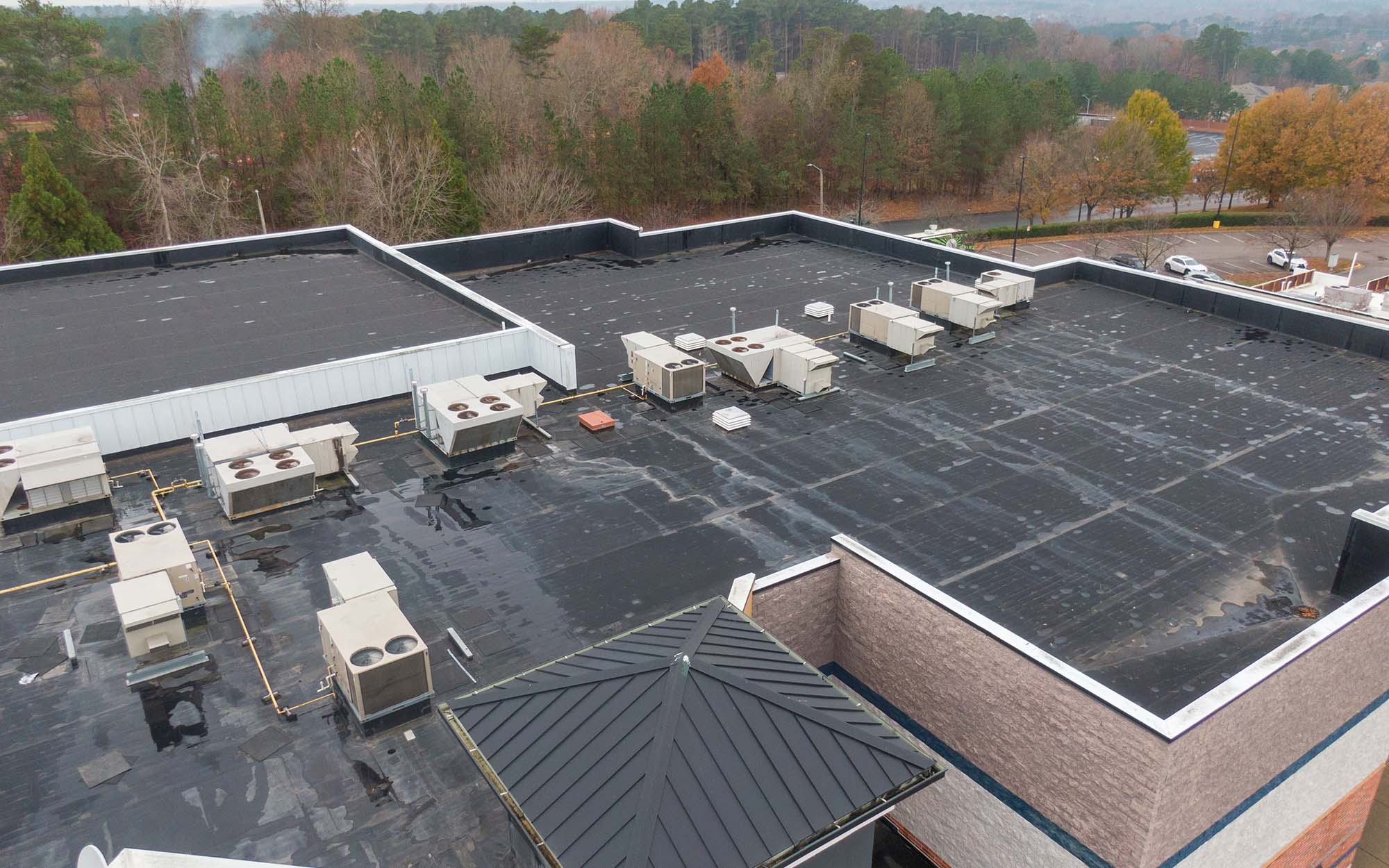
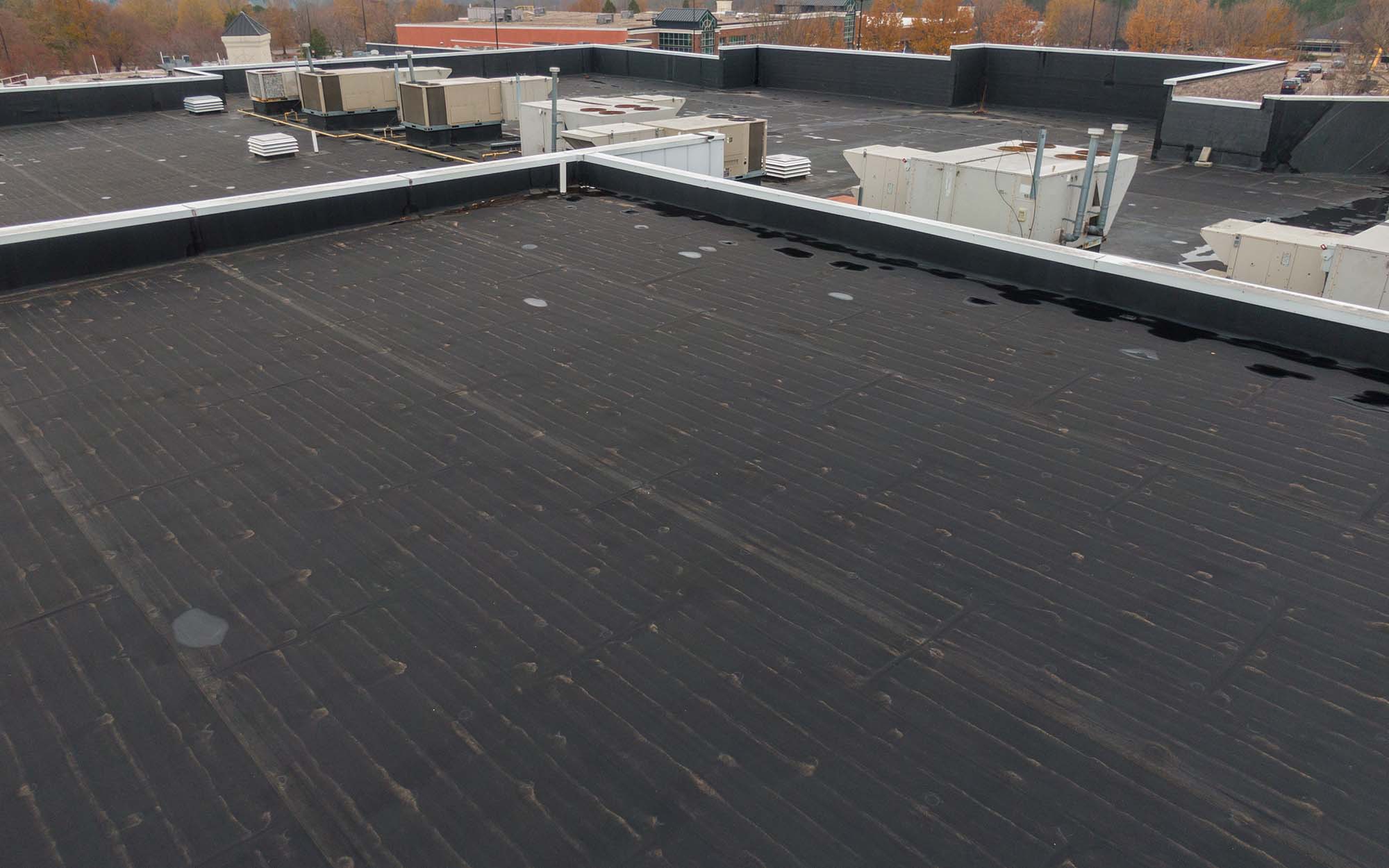
When it comes to commercial roofing drainage designs, spotting early signs of trouble can save you from costly repairs down the line. One clear indicator of inadequate drainage is the presence of standing water on the roof, which should typically drain within 48 hours after a rain event. Other telltale signs include water stains on interior ceilings and walls, mould or mildew growth, which point to potential leaks. Pay close attention to these symptoms; they signal that your current drainage system may not be up to the challenge of Pennsylvania’s varied rainfall.
Understanding Your Roof’s Capacity to Handle the Elements
Pennsylvania’s fall brings with it a unique set of seasonal challenges that can test the mettle of any drainage system. Heavy rains, compounded by fallen leaves, can obstruct water flow and overwhelm gutter systems. It is imperative to assess the design of your commercial roof—its slope, the complexity of its features, and previous instances of water pooling. These details provide vital clues about the adjustments necessary to sustain the onslaught of the seasonal weather.
Proactive Steps Before the Rain Sets In
Before the weather turns, take proactive measures by selecting the right commercial roofing drainage designs to avert future drainage disasters. Research various drainage options, from robust gutter systems to efficient scuppers and internal drains equipped to handle significant volumes of water. Planning is also essential; establish a rigorous maintenance schedule to ensure debris is cleared and that the integrity of your drainage systems holds firm when faced with the barrage of autumn rains. By addressing these issues preemptively, you can fortify your commercial property against the harsh elements typical of Pennsylvania’s stormy season.
Planning for Effective Drainage
As fall approaches, homeowners and facility managers should prioritize roof drainage planning to ensure their buildings are prepared for increased precipitation. Optimal roof drainage is critical to prevent water damage that can lead to costly repairs and even compromise the integrity of the building. Consulting with professionals, such as those at The Superior Group, who understand Pennsylvania’s climate and the specific needs of commercial roofing systems, can provide peace of mind. With expert advice, you can choose a system tailored to your building, ensuring longevity and reliability throughout the season.
Ensuring Long-Term Roof Health
Adequate maintenance and regular checks can mean the difference between a minor fix and a full-fledged emergency. Establishing a monthly maintenance schedule during the fall can help catch and resolve blockages or wear and tear before they lead to more significant issues. This preemptive strategy is critical for preserving the overall health of your commercial roof, especially during the seasons with intense weather patterns. Whether it’s gutter cleaning, downspout inspection, or ensuring your commercial roof drainage designs are up to date, regular maintenance should be an integral part of your property’s upkeep.
Step 1: Assess Roof Design and Current Drainage System
Evaluate your commercial building’s existing roof structure and its current drainage capability. Consider the dimensions, slope, and complexity of the roof, as well as any previous issues with water pooling or leaks.
Step 2: Identify Local Climate and Seasonal Challenges
Understand Pennsylvania’s fall weather patterns, including the potential for heavy rain and leaves clogging drainage paths. Use historical weather data and future forecasts to anticipate drainage needs.
Step 3: Select Suitable Drainage Design Options
Research and choose appropriate commercial roofing drainage designs, focusing on systems like gutter systems, scuppers, and internal drains that can manage the water load effectively.
Step 4: Plan for Regular Maintenance Checks
Establish a maintenance schedule to regularly remove debris and inspect the structural integrity of the roof and its drainage components, ensuring performance during peak rainfall seasons.
Step 5: Calculate Required Drainage Capacity
Utilize industry standards and local regulations to calculate the necessary drainage capacity for your roof, accounting for the roof’s square footage and the typical rainfall intensity in Pennsylvania.
Step 6: Integrate Water Management Solutions
Incorporate secondary water management features such as green roofing elements or advanced gutter guards to enhance drainage efficiency and sustainability.
Step 7: Implement the Drainage System Design
Hire a licensed commercial roofer to install or update the chosen drainage design, ensuring it is up to code and adept at handling the fall weather challenges of Pennsylvania.
Step 8: Monitor and Optimize System Performance
After installation, regularly assess how the new drainage system handles actual weather conditions and make necessary adjustments to improve performance and extend the service life of your roofing system.
Common DIY Mistakes in Commercial Roofing Drainage and How to Avoid Them
When it comes to DIYing commercial roofing drainage, even the smallest oversight can lead to big problems. Many property owners want to tackle drainage issues themselves, but without proper knowledge, this can often lead to costly mistakes. Understanding these frequent missteps is crucial for anyone looking to maintain the integrity of their commercial roof’s drainage system, especially during Pennsylvania’s fall season.
Mistake 1: Ignoring Roof Slope and Complexity
Many DIYers fail to consider the slope and complexity of their commercial roof. This can result in an inadequate drainage system that does not account for areas where water may accumulate. To prevent this, carefully assess all roof features and design a drainage plan that addresses each section specifically.
Mistake 2: Miscalculating Drainage Needs
Another common error is underestimating the amount of rainfall your roof will need to manage. Especially in Pennsylvania during fall, heavy rains can quickly overwhelm a poorly calculated drainage system. Use local rainfall data and industry standards to ensure your system can handle the peak downpour.
Mistake 3: Not Accounting for Seasonal Debris
Failing to plan for seasonal changes like fallen leaves which can clog drains and gutters, is a mistake often overlooked by DIY enthusiasts. Regular maintenance is key here — institute a routine to check and clear your gutters and drains, particularly as the seasons change.
Mistake 4: Choosing Incompatible Drainage Solutions
It’s a mistake to select drainage options without considering your specific roof type and localized weather challenges. Each building will have its own needs; therefore, researching different commercial roofing drainage designs is essential. Choose a system like internal drains or scuppers that can manage heavy rainfall and fit the architectural style of your roof.
Mistake 5: Not Performing Regular Maintenance
Perhaps the most critical mistake is neglecting to establish and follow a strict maintenance schedule. Without this, even the most well-designed drainage solutions will fail. Make sure you’re regularly removing debris, inspecting structural integrity, and checking for signs of damage or wear.
By being aware of these common pitfalls and actively working to prevent them, property owners can ensure their commercial roofing drainage design is effective and durable. Always remember the importance of consulting professionals for installation and maintenance to avoid these and other potential mistakes.
Calculating and Enhancing Drainage Capacity
Ensuring your commercial roof can handle the rainfall that comes with Pennsylvania’s fall season is pivotal. By leveraging industry guidelines and adapting them to your specific building requirements, you can calculate the exact drainage capacity needed to prevent water accumulation. An informed choice about the necessary roof drainage systems is essential for optimizing water flow and protecting your investment.
Adapting to Roof Types and Local Regulations
Different roof types require unique approaches to manage runoff effectively. A pitched roof will have different needs compared to a flat roof when it comes to drainage solutions. Once you’ve calculated your needs, consult with experts like those at The Superior Group, who can provide tailored options that comply with local regulations, and are well-suited to your building’s specific roof type — a direct link to this information can be found here.