• Discover essential fire prevention practices for commercial roofing, ensuring property safety and regulatory compliance.
• Learn to identify early warning signs of fire hazards and implement fire safety strategies through a comprehensive guide.
• Avoid common fire safety pitfalls with practical advice on maintaining your roofing system’s integrity.
Early Warning Signs on Your Commercial Roof
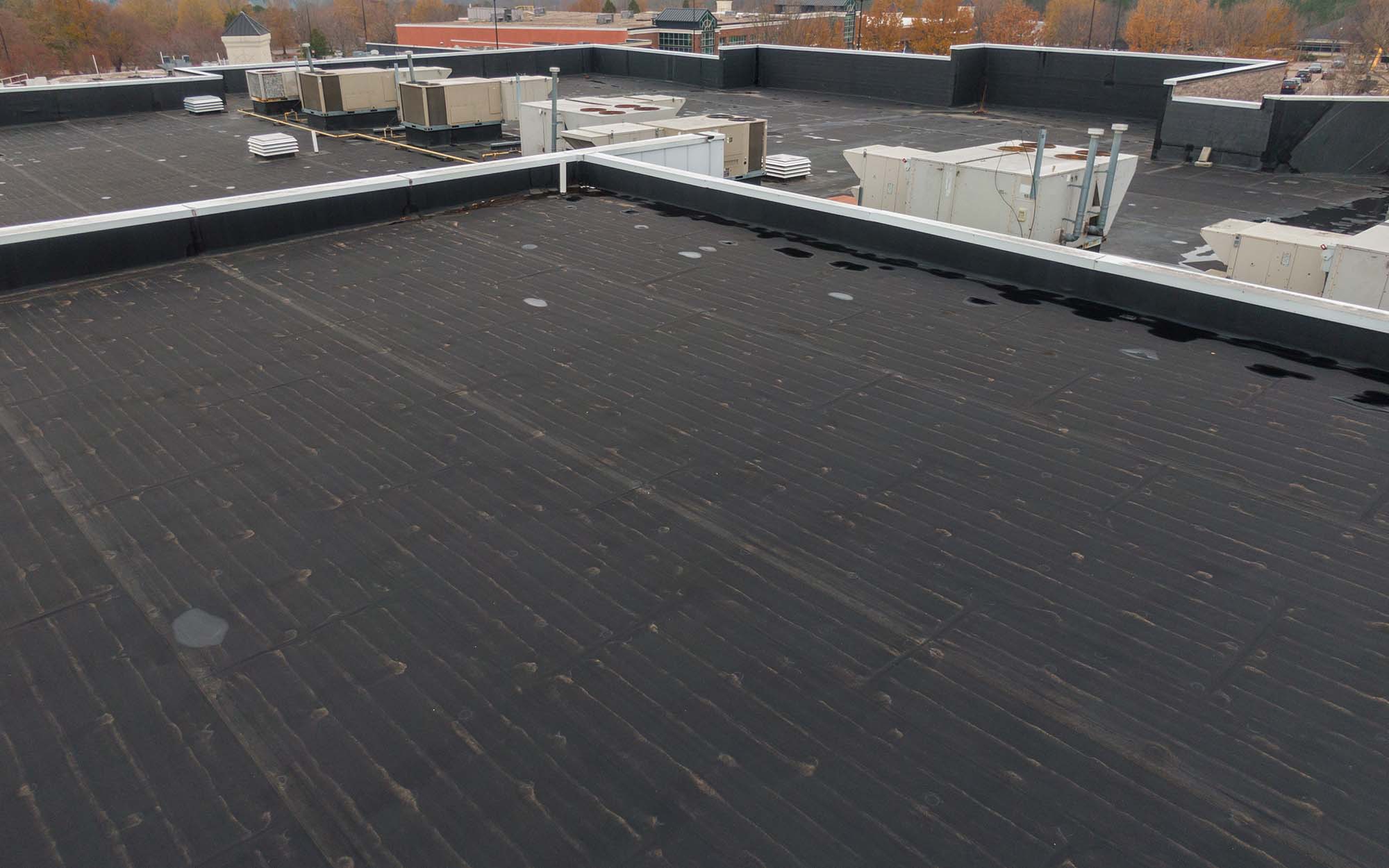
The first line of defense against a potential blaze begins with vigilance. Keep an eye out for cracks and breaks in your commercial roofing; these are telltale signs that your roof’s integrity may be compromised, and with it, your fire resistance. Unchecked, these minor issues can escalate, not only allowing moisture to seep in but also providing a gateway for flames to catch and spread. As such, it is imperative to recognize these issues early to maintain a safe and secure roofing environment.
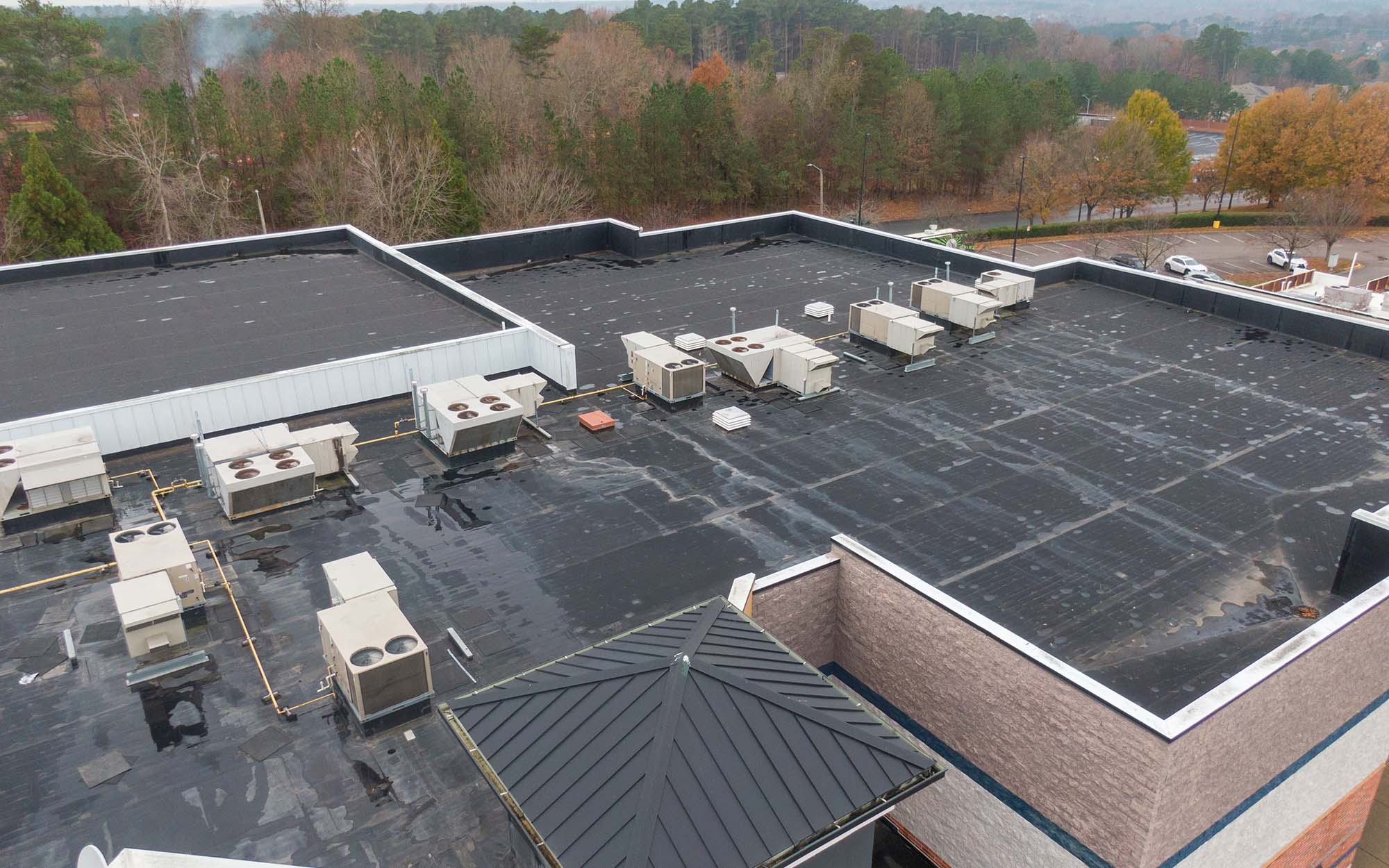
Monitoring for any accumulation of debris on your roof is also vital. Leaves, branches, and other flammable objects can accumulate, especially during the summer months in Maryland, presenting a significant risk. These materials can easily ignite under the right conditions, and their removal should be a priority in your regular maintenance cycle. Regular debris removal is not just about cleanliness; it’s a crucial fire prevention strategy.
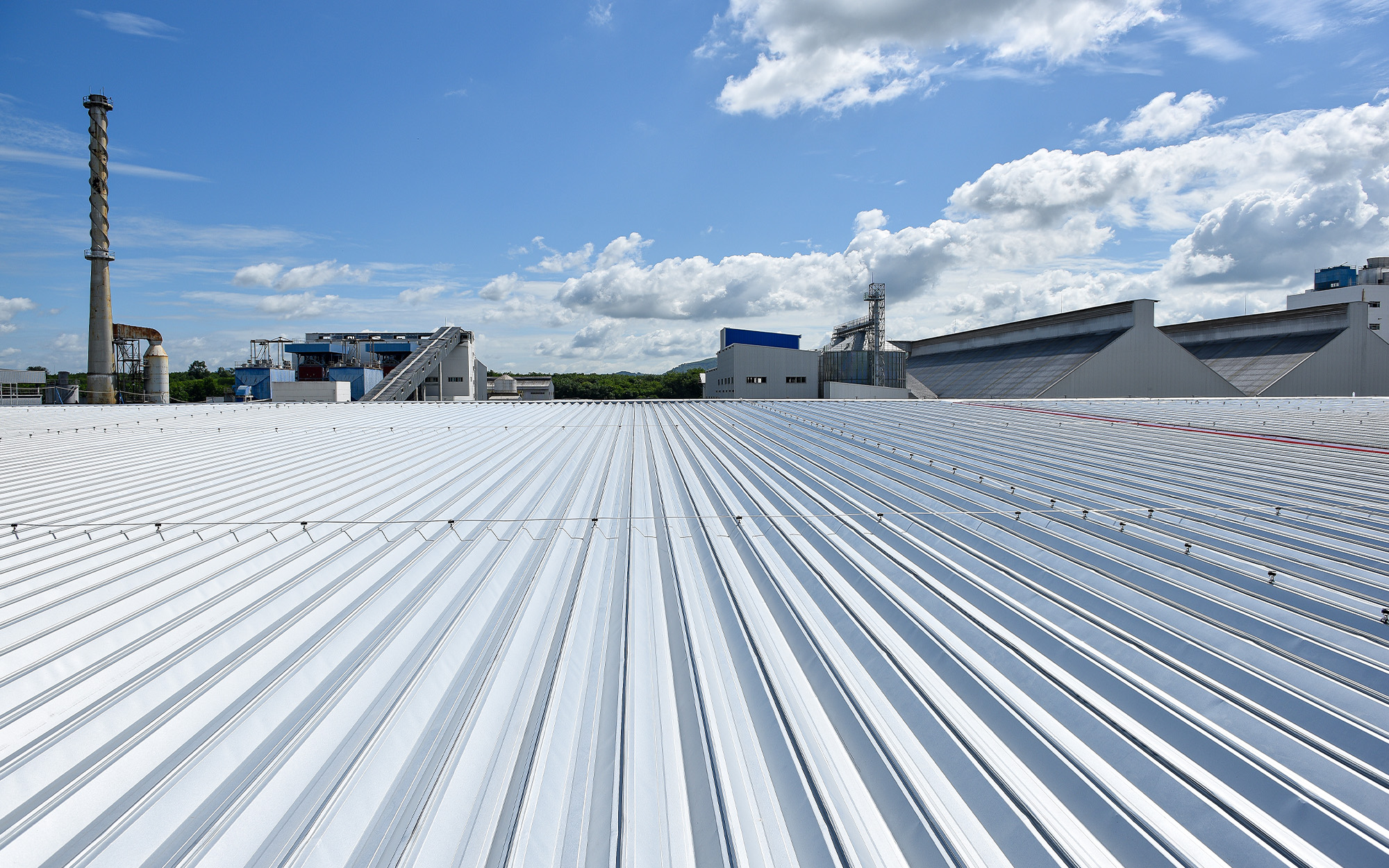
Pay particular attention to your roofing materials’ condition and fire-resistance rating. Over time, exposure to extreme weather can degrade even the most robust materials, and Maryland’s summer storms and heatwaves are a significant test of resilience. Ensure that you frequently assess the quality and suitability of your materials and consider an upgrade to fire-resistant options like metal or specially treated wood, adhering to the local fire safety standards.
Setting Up for Safety: Fire Barriers and Roofing Material Choices
An integral part of safeguarding your commercial roof against fire involves the strategic installation of fire barriers. These specialized structures are designed to hinder the progression of flames, buying precious time in the event of a fire and potentially saving lives and property. It’s crucial to ensure these barriers are installed correctly and comply with Maryland’s stringent building codes. Bringing in certified professionals for this task can make all the difference in establishing a robust defense against unforeseen disasters.
The choice of roofing materials you make today can determine your establishment’s safety tomorrow. Opting for fire-resistant roofing solutions like metal sheets or tiles treated with fire-retardant chemicals is a wise move for commercial property owners. Not only do they meet local fire safety regulations, but these materials provide peace of mind with their resilience. It’s these proactive decisions that underscore your commitment to the safety and longevity of your commercial enterprise.
Step 1: Conduct a Comprehensive Roof Inspection
Begin by assessing the current conditions of the commercial roofing system. Look for signs of damage, such as cracks or breaks, that could be potential fire hazards.
Step 2: Ensure Proper Installation of Fire Barriers
Check that firewalls, also known as fire barriers, are installed correctly to prevent the spread of flames in case of a fire. These should meet local fire safety regulations for commercial buildings.
Step 3: Select and Install Fire-Resistant Roofing Materials
If renovations are needed, choose materials that are rated for fire resistance. These can include metal roofing or treated wood and should comply with industry standards for fire safety.
Step 4: Implement Regular Maintenance and Debris Removal
Establish a routine for the removal of leaves, branches, and other flammable materials from the roof surface. Consistent maintenance plays a crucial role in minimizing fire risks.
Step 5: Install Proper Electrical Wiring and Lightning Protection
Ensure that all electrical wiring is up to code and that lightning protection systems are in place to prevent fires caused by electrical issues or storms.
Step 6: Inspect and Maintain Roofing Insulation
Examine the roofing insulation to make sure it is properly installed and does not pose a fire hazard. Opt for fire-resistant insulation materials when possible.
Step 7: Educate Staff on Fire Prevention Strategies
Train employees in fire safety practices. Make sure they know how to identify potential fire risks and who to contact in the event of a roofing fire emergency.
Step 8: Develop and Practice an Emergency Response Plan
Create and routinely practice a fire emergency response plan tailored to your commercial building. This plan should include evacuation routes and meeting points, as well as strategies for containing a roof fire.
Avoid These Common Fire Prevention Mistakes
When it comes to fire prevention on commercial rooftops, certain missteps can drastically increase risk. Often, these blunders happen due to a lack of knowledge rather than negligence. Understanding these common errors is vital for ensuring the integrity and safety of your roofing system.
Mistake 1: Neglecting Regular Roof Inspections
Many proprietors fail to conduct periodic roof inspections, which are essential for spotting early signs of wear that could pose fire hazards. To prevent this, schedule bi-annual inspections and after severe weather events to ensure any damages are promptly addressed.
Mistake 2: Improper Fire Barrier Installation
Incorrectly installed firewalls can compromise the entire fire prevention strategy, as they won’t effectively contain flames. Always involve certified professionals who comply with Maryland’s fire safety regulations to ensure proper installation.
Mistake 3: Choosing Non-Compliant Roofing Materials
A common pitfall is selecting roofing materials that don’t meet fire-resistance standards. Opt for certified, fire-resistant materials like metal or treated wood to adhere to industry safety requirements and enhance protection.
Mistake 4: Inconsistent Maintenance and Debris Neglect
Allowing debris to accumulate on the roof is a major fire risk, especially in dry seasons. Establish a maintenance plan to regularly clear the roof of flammable materials such as dried leaves and twigs.
Mistake 5: Overlooking Electrical System Upgrades and Maintenance
Outdated or faulty electrical systems are often overlooked, yet they are a leading cause of commercial roof fires. Ensure regular electrical audits are carried out and that any necessary upgrades are implemented immediately.
Mistake 6: Inadequate Roofing Insulation Consideration
Ignoring the state of your roofing insulation can lead to fire hazards. Regular inspections and opting for fire-resistant insulation material help mitigate this risk.
Mistake 7: Ineffective Staff Training on Fire Safety
Without proper training, staff may be ill-equipped to identify or react to roofing fire risks. Conduct regular fire safety training sessions so that all employees are well-informed and prepared.
Mistake 8: Lacking a Comprehensive Emergency Response Plan
Not having a detailed and practiced emergency response plan can lead to chaos and exacerbated damage in the case of a fire. Develop, document, and rehearse an emergency protocol tailored to your facility and staff.
Maintenance and Electrical Integrity: Key Pillars of Fire Prevention
Consistent maintenance is the cornerstone of fire safety on commercial rooftops. A strict regimen of debris removal and system checks can greatly reduce the risk of a fire breaking out. By keeping the roof clear of leaves, twigs, and other combustibles, especially during Maryland’s hot, dry summers, you eliminate a primary fuel source for potential fires.
Up-to-Speed Wiring and Lightning Protection
Ensuring your building’s wiring is up to code is not just a compliance issue—it’s a significant step in fire prevention. Up-to-date electrical systems and well-installed lightning protection can mitigate the risk of fires caused by electrical malfunctions or storms. Regular assessments by qualified electricians will keep your systems safe and functional, guarding against the silent threat of electrical fires on your commercial roofing.