• Discover the essential signs of wear and damage on commercial roofs to prevent storm-related issues
• Follow a comprehensive guide for cleaning, securing, and maintaining your commercial roofing system
• Learn how to develop an effective emergency response plan and educate your staff for safe storm preparedness
Identifying Warning Signs of Your Commercial Roof
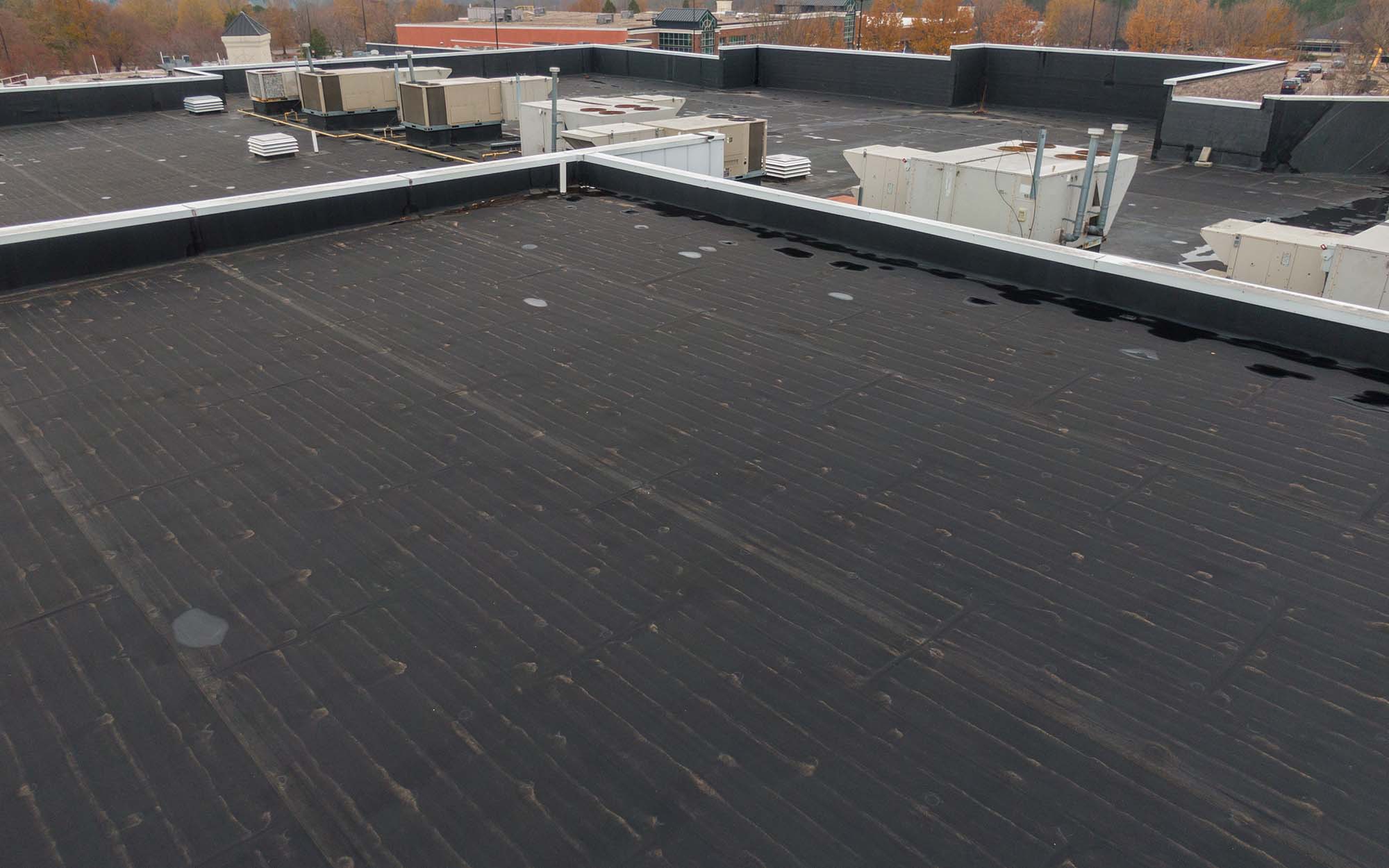
As the seasons shift in Maryland, your commercial property’s first line of defense against the elements—your roof—must remain in top condition. Starting with a vigilant eye, keep an eye out for visible damage such as cracked membranes or loose flashing, which point to the urgent need for maintenance. Even the smallest imperfections can escalate to serious problems when faced with the fierce winds and rains of a storm. It’s these preliminary signs that can foretell the difference between a quick fix and a costly repair.
Aside from the clear-cut damage, the performance of your drainage system plays a pivotal role in your roof’s ability to withstand a storm. Gutters choked with leaves and debris can spell disaster during heavy rainfall, leading to waterlogged roofing systems. Consequently, ensuring that your gutters, downspouts, and internal drains are devoid of blockages is essential. Regular cleaning is more than maintenance; it’s proactive risk management.
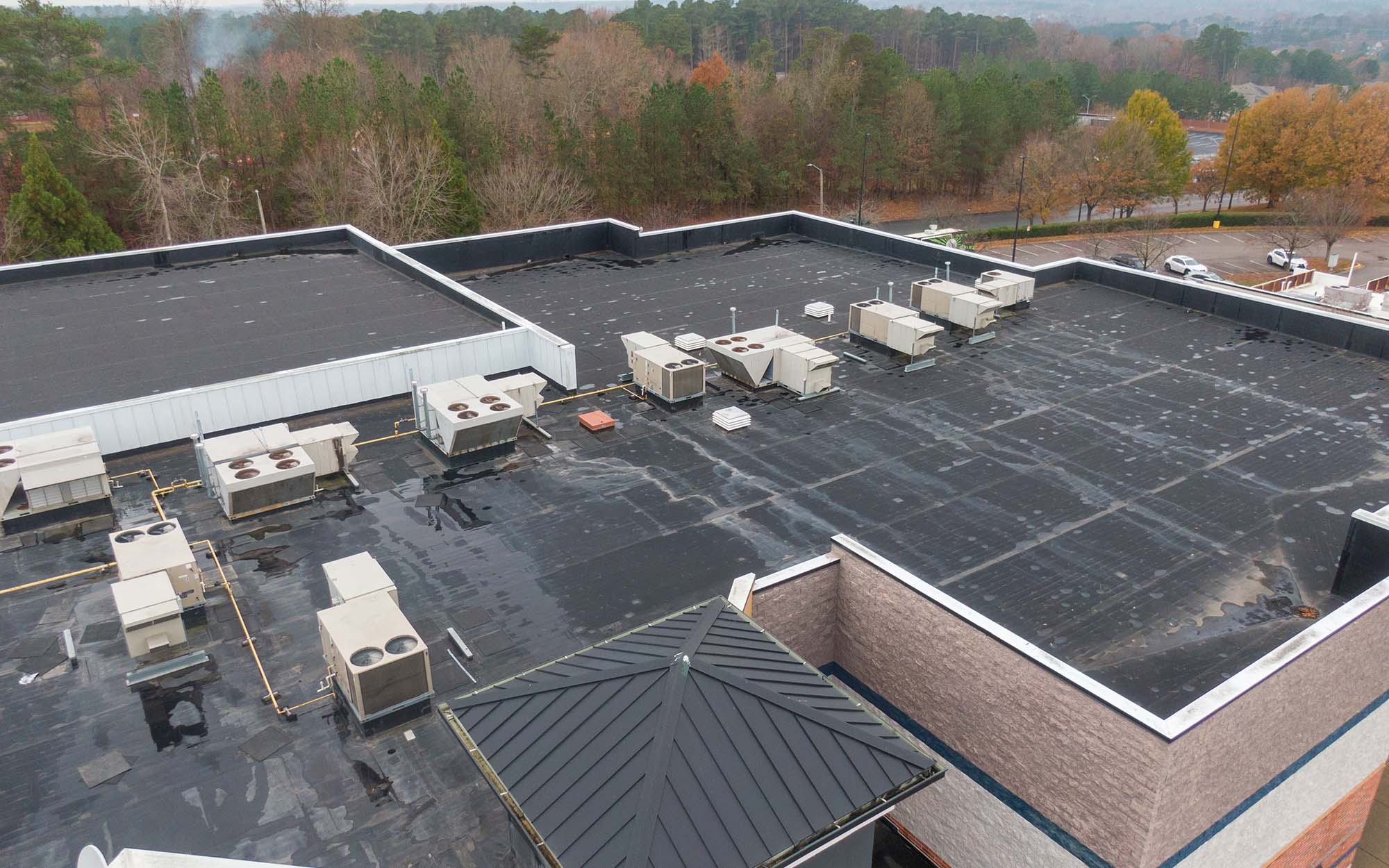
Lastly, rooftop equipment is often an overlooked hazard when storms approach. Items that are not bolted down or insecure attachments have the potential to transform into destructive projectiles under strong winds. This hazard makes a meticulous survey to secure all rooftop equipment not just advisable but crucial. By addressing these at-risk elements, you fortify your commercial space against the unpredictable might of nature’s wrath, particularly in the stormy fall months.
Maintaining Your Roof’s Integrity
With your commercial roof being a critical asset, regular maintenance and inspection should not be overlooked. A proactive approach involves scheduling seasonal checks that align with the changing conditions in Maryland. These checks can detect minor issues before they evolve into larger problems, especially post-storm when unnoticed damage can lead to leaks and water damage. Partnering with a trusted professional ensures these inspections are thorough and yield actionable insights.
When the inevitable wear and tear catches up to your roof, understanding your options for repair or renewal is paramount. Whether it’s a matter of applying a new roof coating for added protection or contemplating a full roof replacement, making informed decisions protects your investment. Each roof type, from flat to sloped, carries its own set of guidelines for upkeep and storm preparedness. By staying educated on these nuances, property managers can extend the lifespan of the roof significantly.
Step 1: Evaluate Your Commercial Roof
Start with a thorough inspection of your commercial roof. Look for signs of damage, wear and tear, or areas that may be susceptible to storm-related issues. This baseline assessment will help you determine what preparations or repairs are needed.
Step 2: Clean Gutters and Drains
Ensure all gutters, downspouts, and internal drains are clear of debris. This will prevent water buildup on the roof, which can cause damage during heavy rains.
Step 3: Secure Rooftop Equipment
Check all mounted equipment on the roof, such as HVAC units, to ensure they are securely fastened. Loose equipment can be hazardous in high winds and can cause additional damage to the roof.
Step 4: Identify Potential Leak Spots
Look for areas that have previously leaked and address them. Seal any cracks or gaps with suitable roofing sealants to prevent water ingress during storms.
Step 5: Schedule Professional Inspections
Hire a professional roofing contractor to conduct a detailed inspection. They can help identify issues that are not apparent to the untrained eye and recommend preventative measures.
Step 6: Develop a Maintenance Plan
Work with your roofing contractor to create a regular maintenance schedule. Routine checks and repairs can significantly increase your commercial roof’s resilience to storms.
Step 7: Create an Emergency Response Plan
Develop an emergency response plan outlining the immediate steps to take during and after a storm, including who to contact for repairs and how to protect the interior of your property if the roof is damaged.
Step 8: Educate Your Staff
Finally, ensure your staff is aware of the plan, knows who is responsible for what, and understands how to react safely in the event of roof damage during a storm. Knowledge can prevent panic and further damage.
Avoiding Common Pitfalls in DIY Commercial Roofing Storm Preparedness
When preparing your commercial roof for potential storms in Maryland, a do-it-yourself (DIY) approach may seem cost-effective, but it’s fraught with pitfalls. While being proactive is commendable, lack of expertise and experience can lead to further complications. Keep reading to ensure you don’t fall prey to common mistakes that can jeopardize the safety and integrity of your roofing system.
-
Mistake 1: Neglecting Regular Inspections
A common oversight is the ‘set it and forget it’ mentality, assuming the roof is fine until a problem appears. Prevent this by incorporating regular, scheduled inspections into your maintenance routine, which can catch issues before they become disasters. -
Mistake 2: Improper Cleaning of Drains and Gutters
During these inspections, a rushed or improper cleaning of gutters can leave blockages that lead to water pooling and roof damage. Always thoroughly clean your drainage system, especially before heavy storms, to ensure proper water flow. -
Mistake 3: Overlooking Loose Equipment
DIYers might miss securing equipment or not use the appropriate methods to anchor it down, raising the risk of damage during high winds. Utilize professional guidelines to ensure all rooftop equipment is inspected and fastened correctly. -
Mistake 4: Inadequate Sealing of Leak-Prone Areas
Patching potential leaks without the right materials or techniques might lead to failure when tested by storm conditions. Ensure that you properly identify leak threats and use the correct sealants effectively to prevent water damage. -
Mistake 5: Delaying Professional Evaluations
Many choose to delay or bypass professional evaluations to save on costs, risking missing crucial issues only experts would notice. Avert this mistake by investing in professional inspections that can identify and suggest solutions for problems beyond the DIY scope. -
Mistake 6: Not Planning or Communicating an Emergency Response
Failing to have a clear emergency response plan, or not communicating it to staff, can cause chaos in an emergency. Develop and rehearse a plan that includes all who work in or on the building to guarantee swift and organized action if needed.
Emergency Protocols and Staff Preparedness
The final shield in your storm preparedness arsenal is an emergency action plan that is readily accessible to all team members. This plan should outline specific procedures to follow in the event of a roofing emergency, ensuring every team member knows their role and responsibilities. It’s not just about having a plan, but about regularly conducting drills and reviews to ensure everyone can act swiftly and safely when it counts.
Moreover, solidifying your commercial roofing storm preparedness means partnering with the right experts who can respond when urgent situations arise. Establishing connections with reliable roofing specialists, such as those at The Superior Group, can make all the difference when disaster hits. Having these relationships in place ensures you’re never left unassisted, maintaining both the integrity of your roof and the safety of your premises.