• Identify common signs of wear on commercial rubber roofs, like cracks and ponding water
• Step-by-step guide on weatherproofing techniques, including cleaning and applying protective coats
• Tips to avoid frequent DIY weatherproofing mistakes for maintaining roof integrity
Early Warning Signs of Rubber Roof Complications
As the brisk winds of autumn start swirling through Maryland, commercial property owners should turn a watchful eye towards their rooftops. The shift in seasons brings a host of potential issues to your commercial rubber roof, which, if left unchecked, could escalate into serious damage. Maryland’s unpredictable fall weather can exacerbate existing vulnerabilities in roofing materials, making it essential to identify signs of wear and tear early. One of the most conspicuous symptoms to watch out for is cracking or splitting in the rubber membrane, an unmistakable red flag that warrants immediate attention.
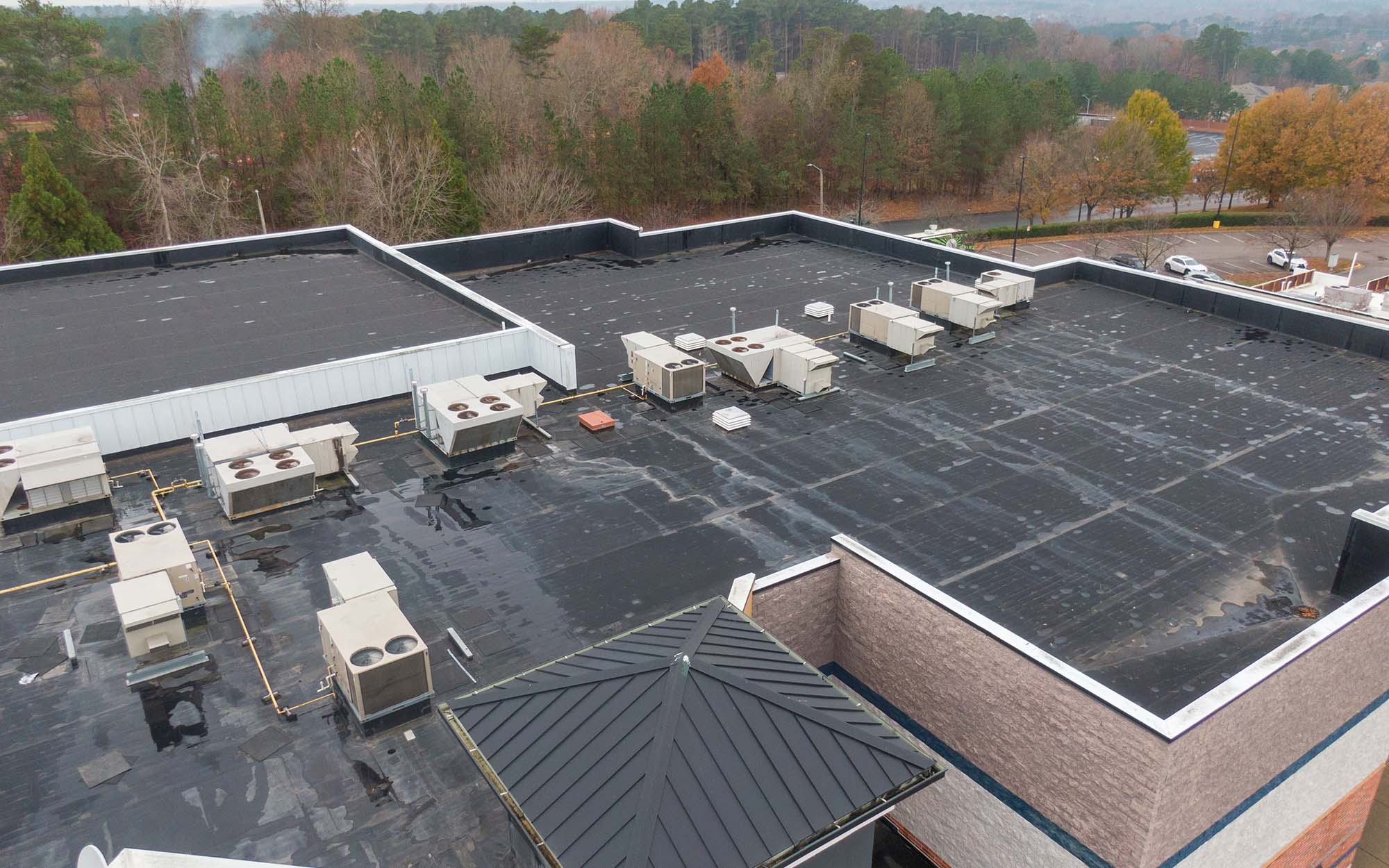
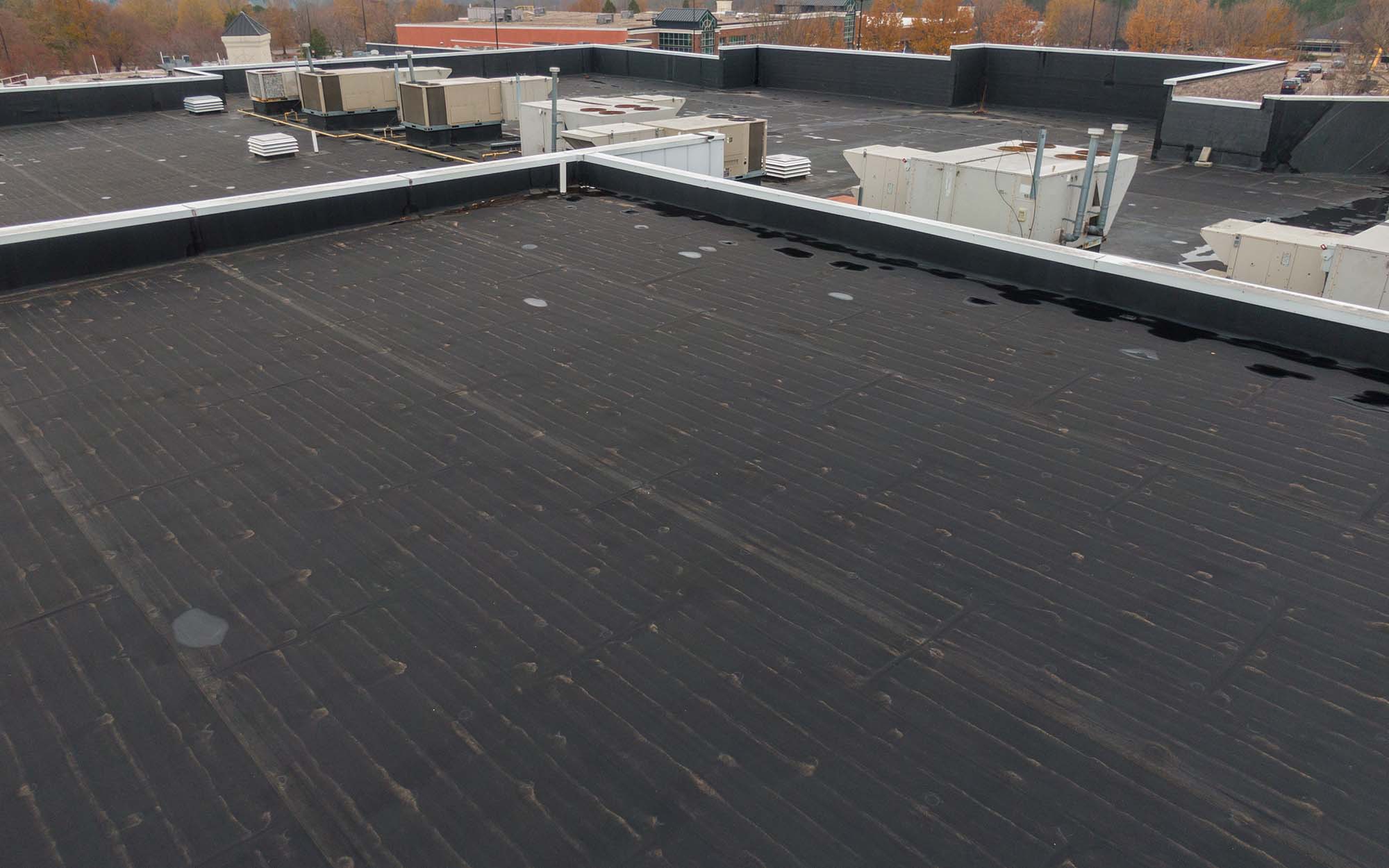
But cracks aren’t the only harbingers of a problem looming over your head. Another problematic sign is the presence of ponding water on the roof surface after a rainstorm. This could signal poor drainage or even a subtle sag in the roof structure, both of which can place undue stress on your roofing system. Additionally, keep an eye out for areas where the sealant has aged or deteriorated—a common issue that can invite water infiltration during Maryland’s heavy downpours or snowfalls.
Last but not least, look for signs of wear around the roof’s edges and at any penetration points, such as vents or skylights, as these areas are particularly susceptible to leaks. Addressing these symptoms promptly by following a disciplined maintenance regime can not only prevent further damage but also enhance the lifespan of your commercial rubber roof. Now that you’re equipped with the knowledge of what to watch for, you can take the first step in our guide: a thorough inspection to safeguard your investment against the impending winter weather.
Preparing Your Commercial Roof for Weatherproofing
After identifying the signs that your roof may need a touch-up or a thorough repair, the next course of action is prepping it for the weatherproofing process. Cleaning the roof surface is critical; it must be freed of any debris, dirt, or oily substances that could impede the adhesion of weatherproofing materials. This initial clean-up can be a DIY task for smaller buildings or expertly handled by The Superior Group’s professional services for larger commercial establishments. A clean surface ensures that all subsequent weatherproofing applications can bond correctly, providing an impermeable layer against the elements.
Following the cleaning, it’s imperative to address the roof’s structural integrity. Focusing on the seams where two sheets of rubber roofing converge, you’ll want to apply seam tape to bolster these critical junctures. It is at these seams where potential leaks are most likely to occur, so securing them plays a pivotal role in the weatherproofing regimen. Similarly, applying additional sealants around roof penetrations and edges can further protect your commercial property from unwanted water ingress.
Step 1: Assess Your Commercial Roof’s Current Condition
Begin with a thorough inspection of your rubber roof to identify any signs of damage or wear. Look for cracking, tears, ponding water, and worn out sealants which could compromise its integrity.
Step 2: Clean the Roof Surface
Ensure the roof is clean and free of debris, dirt, and oils. Use a professional-grade cleaner suited for rubber roofing and rinse the surface thoroughly with water.
Step 3: Apply Seam Tape on Joints and Edges
To reinforce the seams where two sheets of rubber roofing meet, apply seam tape carefully along the edges. Press down firmly to create a watertight bond.
Step 4: Secure the Roof Perimeter
Ensure that the roof’s perimeter and any roof penetrations are securely sealed. Apply roofing cement or a specialized sealing product to fortify these vulnerable areas against leaks.
Step 5: Apply a Weatherproofing Coat
Select a high-quality weatherproofing coating made specifically for commercial rubber roofs. Apply it evenly across the roof’s surface with a roller or sprayer as per the manufacturer’s instructions.
Step 6: Ensure Proper Drainage
Check and maintain the roof drainage systems. Clear out gutters, downspouts, and drains to prevent water accumulation that could lead to leaks or structural damage.
Step 7: Install Additional Insulation if Necessary
Evaluate the need for additional insulation. A well-insulated roof can prevent heat loss in the winter and keep the building cooler in the summer, enhancing the overall efficiency.
Step 8: Regular Maintenance and Inspection
Schedule regular inspections and promptly address any issues. Post-weather event inspections are crucial to ensure that the weatherproofing remains intact and effective.
Introduction to Common DIY Weatherproofing Errors
While being proactive about commercial rubber roof maintenance is commendable, diving into DIY weatherproofing without proper knowledge can lead to more harm than good. Often, well-meaning property owners commit errors that compromise their roof’s integrity instead of protecting it. Understanding these common missteps not only saves costs in the long run but also ensures the durability and effectiveness of your weatherproofing efforts.
Common Mistakes to Avoid During Weatherproofing
Mistake 1: Neglecting Roof Inspection
Frequent oversight is skipping the initial thorough inspection, which leads to undiscovered damage. Ensure every inch of the roof is checked for cracks, tears, or signs of weathering to address all potential issues.
Mistake 2: Inadequate Cleaning
Another common error is not cleaning the roof correctly or completely. Debris and residue can hinder the adhesion of weatherproofing materials, so it’s critical to use the right cleaners and rinse the surface well.
Mistake 3: Incorrect Seam Tape Application
Improperly applying seam tape can create vulnerabilities rather than sealing them. Take time to press down the tape firmly along the edges to ensure a watertight seal and avoid future leaks.
Mistake 4: Overlooking the Roof Perimeter
Often ignored, the perimeter of the roof is where damage often starts. Make sure to properly secure it with appropriate sealants to prevent water ingress and eventual leaks.
Mistake 5: Uneven Weatherproofing Coat Application
An uneven application of the weatherproofing coating can result in inadequate protection. Consistency is key; apply the coating evenly across the entire roof surface for maximum effectiveness.
Mistake 6: Neglecting Drainage System
A common misstep is not maintaining the drainage system, which can cause ponding water and subsequent damage. Regular cleaning of gutters and drains is crucial to ensure proper roof drainage.
Mistake 7: Skipping Additional Insulation
Many property owners forget to assess the need for extra insulation, which can greatly improve a roof’s weather resistance. Evaluate and install additional insulation if it can enhance the roof’s thermal efficiency.
Mistake 8: Irregular Maintenance and Inspections
Last but not least, sporadic maintenance and inspections can lead to missed damage, especially after severe weather. Commit to a schedule of regular inspections to catch and address issues early, maintaining the robustness of the weatherproofing work.
Applying Advanced Weatherproofing Techniques
The next critical step is the application of a protective weatherproofing coat. This special coating is designed to extend the life of your commercial rubber roof by shielding it from UV rays, rain, wind, and temperature fluctuations. For those not familiar with this process, The Superior Group offers a comprehensive commercial roof coating service that includes the use of industry-leading products to ensure your roof’s longevity.
Ensuring your commercial roof has proper drainage is essential for preventing water accumulation. Routine checks of gutters, downspouts, and internal drains will keep the system clear and functional, warding off potential leaks and water damage. Ironically, water—the very element a roof is designed to redirect—can become a destructive force if not properly managed, emphasizing the importance of robust maintenance protocols.