Why Proper Moisture Management is Essential for Connecticut’s Commercial Roofs
With Connecticut’s commercial roof moisture management becoming a pressing concern, especially during the thaw of spring, businesses are taking note of the immediate need for robust roofing solutions. The moisture brought in by the erratic weather can seep into roofing layers, jeopardizing both the structure and the valuable assets underneath. Ignoring the potential for moisture-related damage could lead to expensive repairs, operational disruptions, and compromise the integrity of the entire building. It’s not just about avoiding immediate water infiltration; it’s also about preventing the long-term effects of moisture, such as mold growth, that can begin to take hold in as little as 24 to 48 hours after exposure. Awareness and timely action are key to safeguarding your commercial investments from these risks.
The Relentless Challenge of Connecticut Weather
Connecticut’s spring season poses a unique set of challenges for commercial roofing, with fluctuating temperatures leading to snowmelt and potential water damage. This is when the expertise in moisture management becomes crucial; proactive measures today can prevent costly repairs tomorrow. Owners and managers of commercial facilities must remain vigilant during this season, as undetected water intrusion can quickly escalate into larger, structural problems. An understanding of the local climate and its effects on roofing materials is indispensable, as is the implementation of specialized management strategies tailored for these environmental conditions. By prioritizing roof health, companies can avoid the pitfalls of moisture damage that have hampered many Connecticut businesses in the past.
Real Impacts of Moisture Mismanagement
The repercussions of neglecting commercial roof moisture control are all too real; one needs only to consider the impact on a Connecticut business that recently faced a major roof collapse. This harrowing experience, brought on by unchecked moisture ingress, underscores the importance of regular inspections and swift remediation. The financial ramifications are just the tip of the iceberg, with potential for injury, lawsuits, and loss of business adding to the gravity of the situation. In light of such risks, ensuring your commercial roofing system’s resilience to moisture has to be a priority. It’s clear that, while the costs of preventive maintenance may seem substantial at first, they pale in comparison to the expenses and upheaval resulting from a moisture-compromised roof.
Understanding the Technical Aspects of Roof Moisture
Water is an unrelenting enemy of commercial roofing materials, and the specifics of how moisture interacts with different roofing components are complex. In the early stages, moisture may simply cause unsightly water spots, but as it progresses, it can deteriorate the roof’s structure, leading to costly damage. The insidious nature of moisture means that by the time you detect a problem, such as a leak, significant harm may already have occurred under the surface. This is why preemptive roof maintenance services are not just recommended—they are essential to the longevity of your roof. Ensuring your roof is properly sealed and insulated is a crucial step toward repelling water intrusion and managing condensation effectively.
Signs of Moisture Damage and Proactive Measures
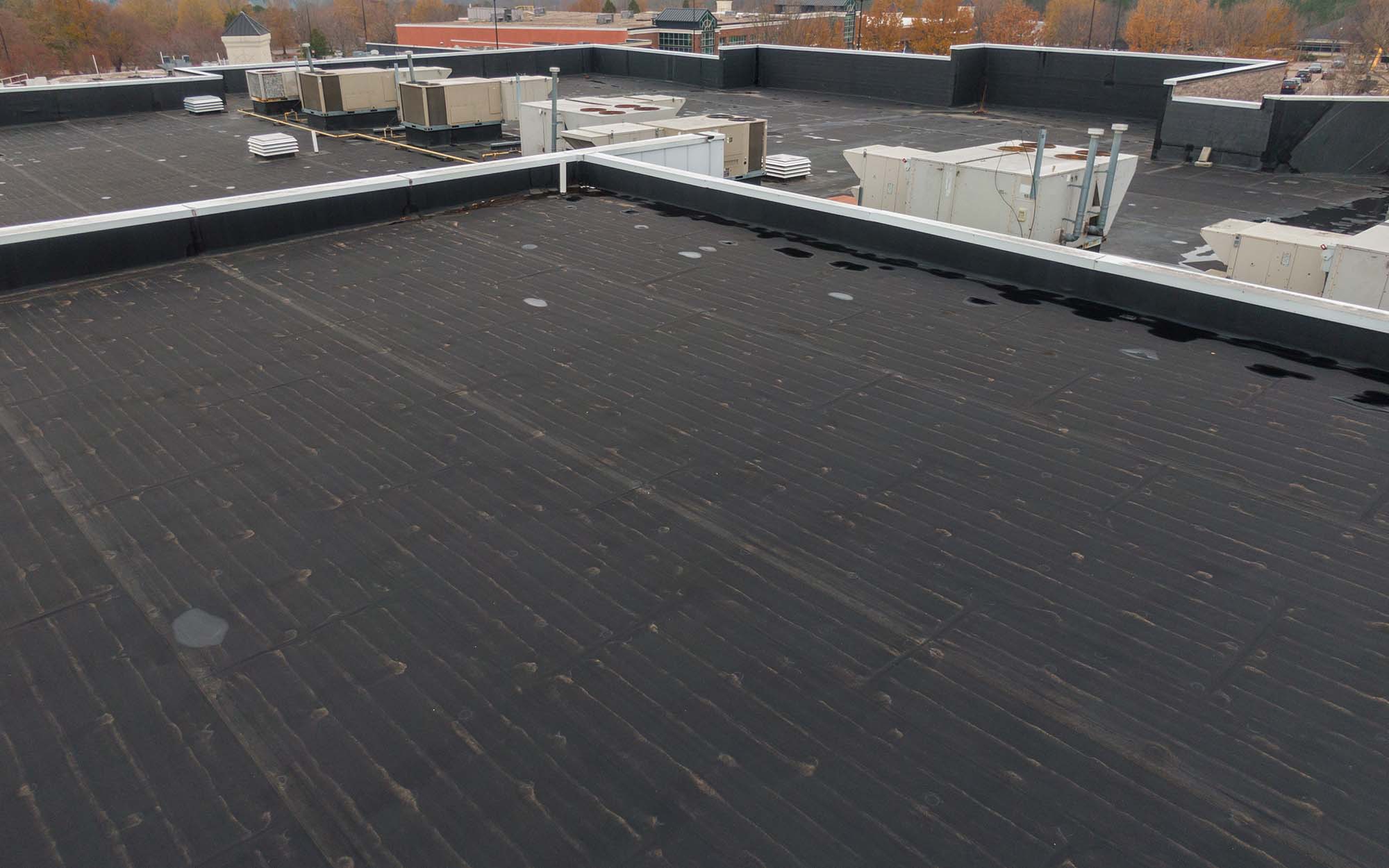
How can you tell if your commercial roof has fallen prey to moisture damage? Look for telltale signs such as blistering or bubbling on the surface, mold or algae growth, or a musty odor throughout the building. These symptoms are red flags and often precursors to more severe damage, such as wood rot or compromised structural integrity. Proper insulation and ventilation are paramount in preventing these issues, especially during Connecticut’s spring when temperatures fluctuate. Consistent inspections and early detection can save your business from the disruptions that extensive repairs or a full roof replacement would entail.
Expert Solutions to Protect Against Moisture
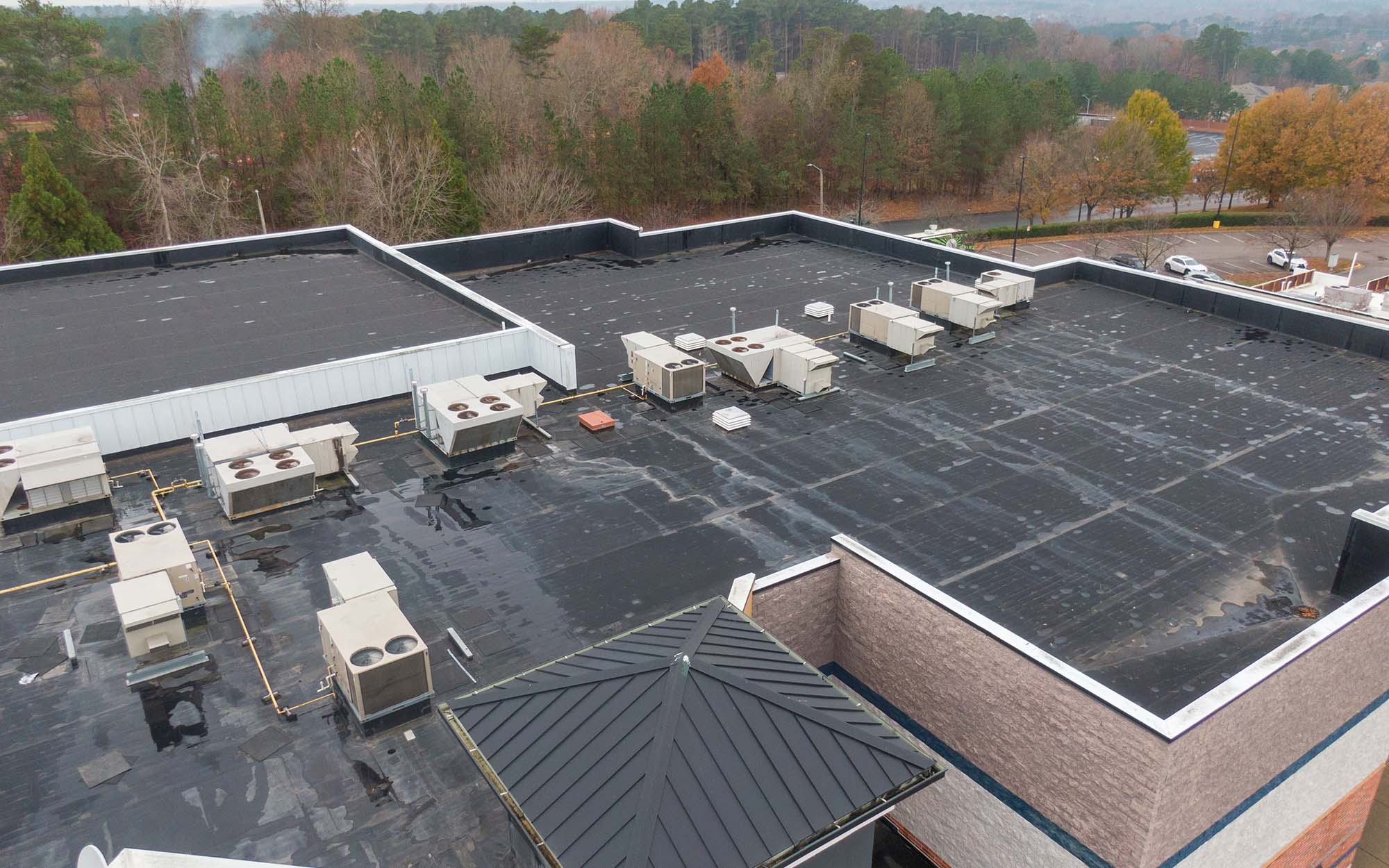
Putting your trust in specialists who understand the intricacies of commercial roofs and how to safeguard them against moisture is a wise investment. Our team brings expertise and premier materials to every project, offering tailored solutions to fit your unique roofing needs. Installing top-tier moisture barriers and ensuring adequate drainage systems are in place are just a part of our comprehensive offering. For buildings with extensive equipment on the roof, such as HVAC units, it’s critical to ensure these are properly installed and maintained to avoid unintentional moisture ingress. Take action to protect your asset; explore our roof type options and maintenance regimes that fortify against Connecticut’s unpredictable weather.
Best Practices for Commercial Roof Longevity
In the realm of commercial roofing, the saying “an ounce of prevention is worth a pound of cure” couldn’t ring more true. Adopting a regimen of regular roof assessments and maintenance can preempt a myriad of issues that lead to moisture damage. Routinely clearing debris from gutters and downspouts, and ensuring that the roof’s drainage system is functioning optimally, are foundational steps in moisture damage prevention. Additionally, incorporating innovative roofing technology and materials can provide an added layer of security against the elements. Building owners should not overlook the importance of keeping roof records, which enhance the efficiency of maintenance programs and tracks the health of their investment.
Anticipating Connecticut’s Springtime Roofing Challenges
As Connecticut transitions into spring, the time is right for businesses to consider commercial roof coatings that offer additional moisture protection. With changes in the weather come changes in the condition of your roof, and a coating can be a critical line of defense against water infiltration. It is important to understand that seasonal shifts can swiftly escalate existing vulnerabilities in your roofing system; hence, responsive and preventative maintenance measures become indispensable. Recognizing the evolution of your commercial roof’s needs with the season will allow you to be one step ahead in moisture management. Taking such proactive measures ensures peace of mind and operational continuity for businesses.
Maintaining Trust Through Expertise
The Superior Group understands that trust is built through demonstrable expertise and consistent delivery of quality service. Our commitment to providing sound roof moisture management solutions is evidenced by our attention to detail and our responsive customer service. We pride ourselves on staying current with the latest best practices in the industry, ensuring that our clients’ roofs are maintained to the highest standards. By trusting in our services, clients are guaranteed a partnership that values the longevity and integrity of their commercial roof as much as they do their own business. Revisit the fundamental importance of moisture management on our website and open the door to a roofing strategy that will stand the test of time and weather.
Insights From The Experts
Tip 1:
Regularly schedule inspections twice a year to catch any issues early. A professional eye can spot potential moisture-related problems before they lead to larger, more costly repairs.
Tip 2:
Invest in quality moisture barriers and insulation. These materials can be crucial in keeping moisture out and protecting the roof structure from the damaging effects of condensation and water ingress.
Tip 3:
Ensure proper drainage on your commercial roof. Connecticut’s weather can be unforgiving, and without adequate drainage, water can pool and cause significant damage over time.
Tip 4:
Be vigilant about rooftop equipment maintenance. Poorly installed or aging HVAC units can be a major source of moisture penetration, which can compromise the entire roofing system.
Tip 5:
Educate your maintenance crew on the signs of moisture issues. Knowledge of early warning signs like discoloration, pooling water, or mold growth can lead to prompt action and prevent larger issues.
Your Roofing Questions Answered
How Often Should Commercial Roofs in Connecticut Be Inspected for Moisture Management?
Commercial roofs in Connecticut should ideally be inspected at least twice a year. Before and after the winter season are critical times to assess for any potential moisture damage or vulnerabilities.
What Are the Main Signs of Moisture Damage on a Commercial Roof?
The key indicators of moisture damage include visible water stains, bubbling or blistering of the roof cover, mold or algae growth, and a musty smell inside the building.
Can Moisture Management Help Reduce Energy Costs for Connecticut Businesses?
Effective moisture management can indeed lead to lower energy costs as it ensures proper insulation, which helps maintain a consistent internal temperature, reducing heating and cooling expenses.
What Immediate Steps Should Be Taken If Moisture Is Detected on a Commercial Roof?
If moisture is detected, it’s crucial to contact a roofing professional immediately to assess the extent of the damage and perform necessary repairs to prevent further deterioration.
How Does Preventative Roof Maintenance Prevent Moisture Damage During Connecticut’s Volatile Spring Weather?
Preventative maintenance, such as routine inspections and timely repairs, ensures that the roof can withstand the excess moisture and temperature fluctuations typical of Connecticut’s spring season.