The Critical Role of Roofing Materials in Massachusetts
When it comes to the commercial buildings that dot the horizon in Massachusetts, the roof overhead is more than just a capstone; it’s a crucial line of defense against the region’s distinctive weather conditions. From driving rain in the spring to fierce snowstorms as winter takes hold, the choice of roofing materials can be the difference between a structure that stands firm and one that succumbs to the elements. This decision is not just about immediate protection; it’s a long-term investment in the health and safety of the property. For businesses, the stakes are high – the right roof can guard against costly damage and downtime. It’s vital, then, to consider not only the aesthetic but the resilience of your roofing material in the face of Mother Nature’s whims.
In recent years, unpredictable climate patterns have brought new challenges to the fore, making the urgency to choose robust and adaptable roofing options even more pressing. Addressing FAQ 2, it’s clear that understanding the specific demands of Massachusetts’s climate is paramount. Businesses must ask: Will this material endure the heat of summer and the ice of winter alike? Can it resist wind lift and mitigate the impact of hail? Making an informed decision now is not a luxury; it’s a necessity that can safeguard your business against the uncertainties of tomorrow. Selecting a roofing material that’s up to the task will pay dividends in both peace of mind and financial security.
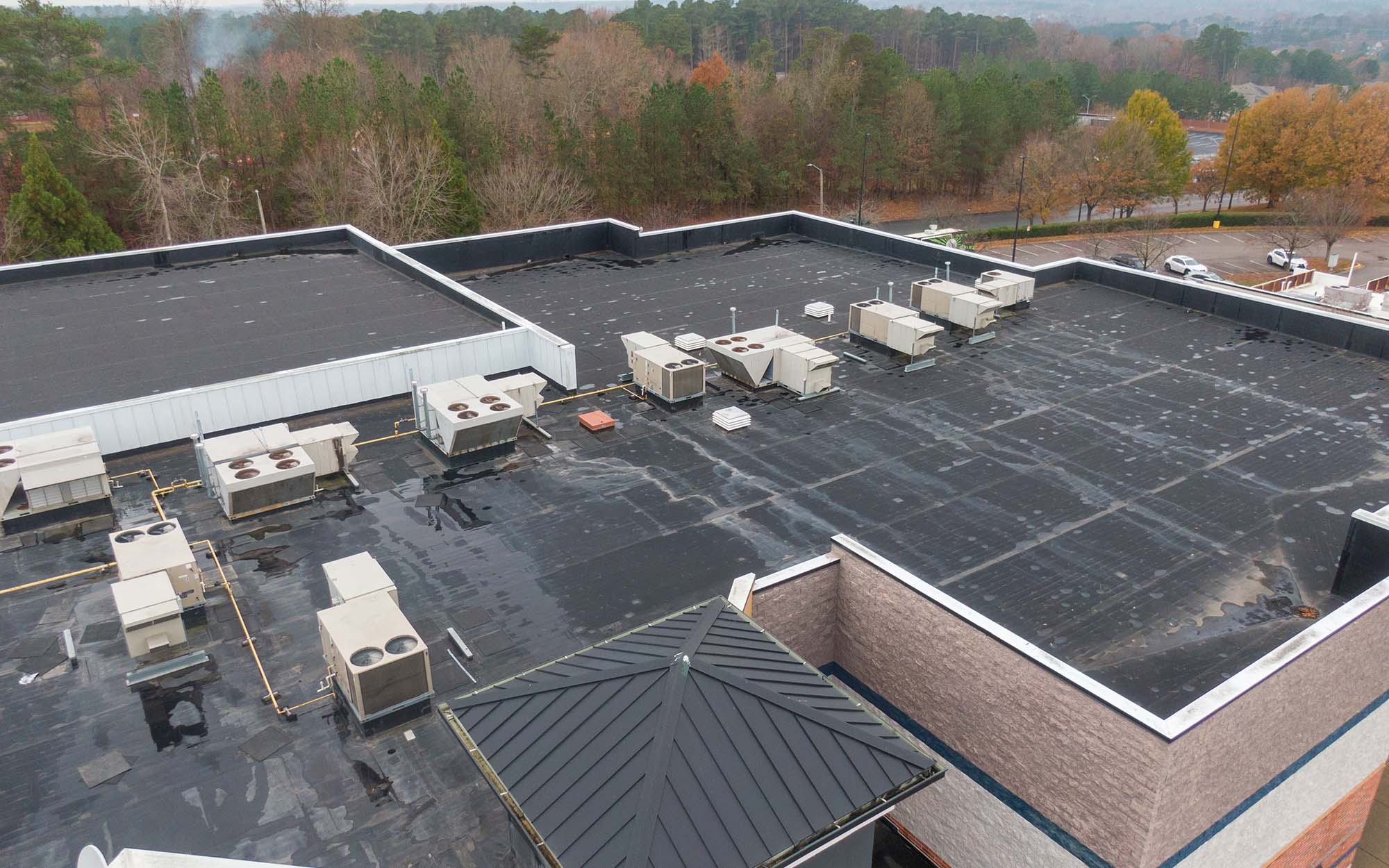
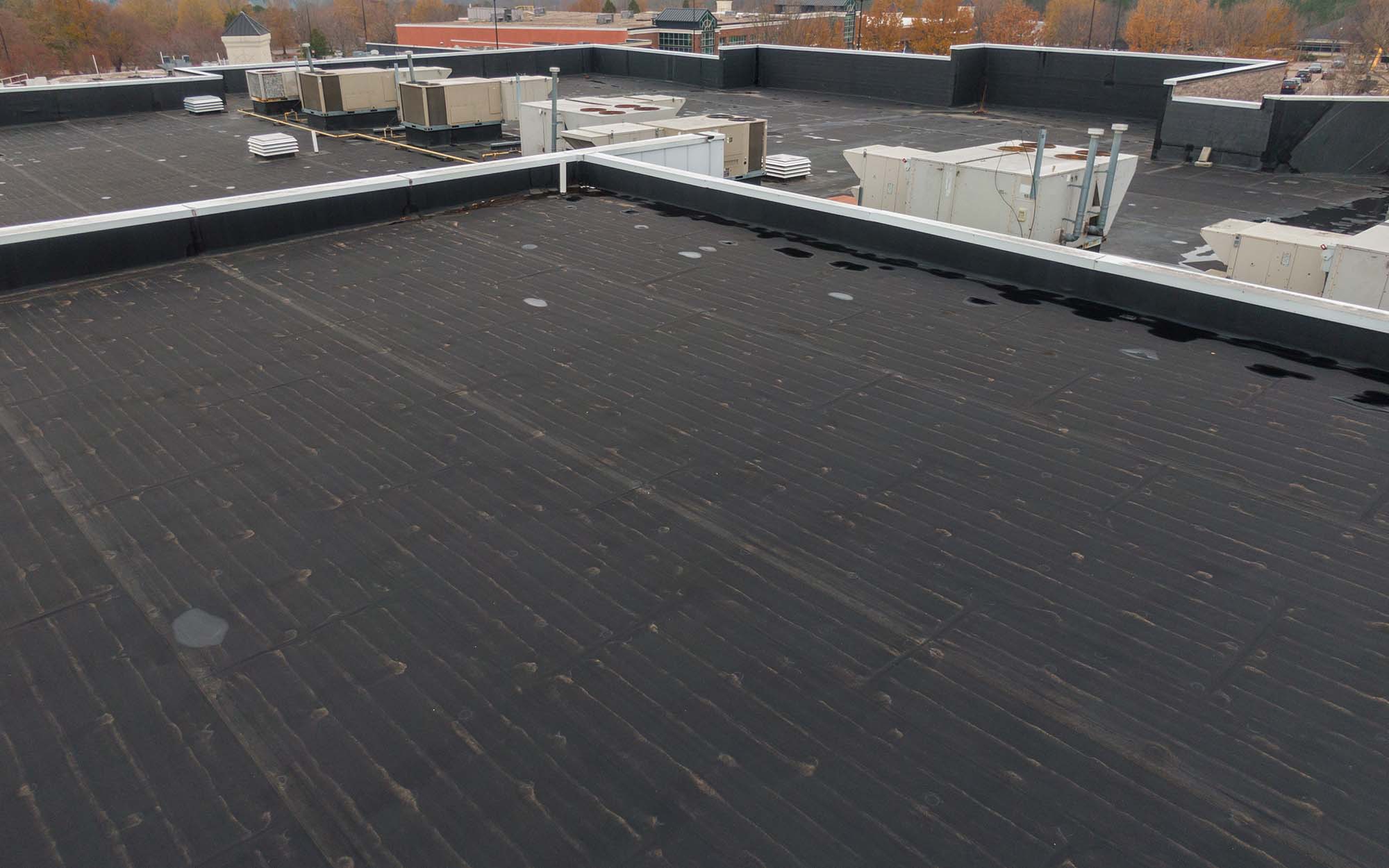
Ignoring the immediate need for durable and environmentally fit roofing solutions in Massachusetts can lead to dire repercussions. The introduction of innovative materials like Modified Bitumen Roofing, with a history of reliable performance, underscores a market shift towards resilience and efficiency. These materials represent a blend of traditional methods and modern technology, offering an optimal solution for commercial establishments seeking a balance between cost and quality. The consequences of postponing such a crucial choice extend beyond mere aesthetics, risking structural integrity, and by extension, enterprise stability. Hence, selecting materials well-suited for the local environment isn’t just good practice – it’s a business imperative.
Diving Deep into Commercial Roofing Options
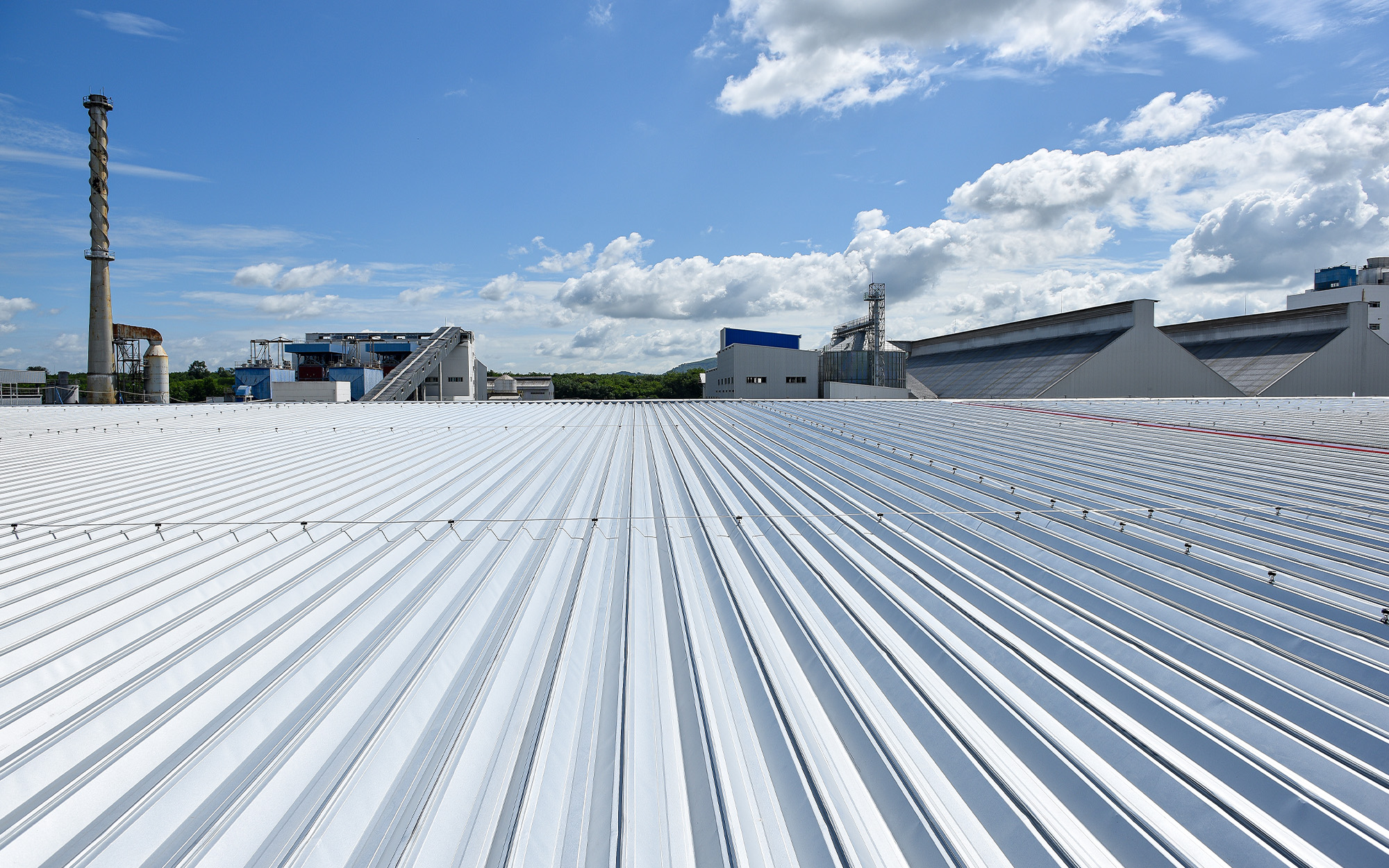
With a spectrum of commercial roofing materials at their disposal, property owners must weigh the advantages of each to find the most suitable match for their building’s specific needs. Asphalt shingles, for instance, are praised for their cost-effectiveness and versatility, making them an appealing choice for many. Meanwhile, metal roofs offer unparalleled longevity and fire resistance, although their initial cost may be higher. Synthetic options, such as TPO and PVC, provide excellent water resistance and are ideal for flat or low-slope structures. Exploring the distinctive benefits of each material is a critical step in the decision-making process.
Eco-friendly roofing solutions are on the rise in Massachusetts, and the market’s response indicates a shift towards more sustainable practices. Embracing green roofing alternatives not only aligns with environmental concerns but can also result in reduced energy expenses over time. This trend towards sustainability is a response to a growing demand for buildings that contribute positively to their surroundings. From cool roofs reflecting UV rays to vegetative roofs that improve air quality, these innovative options are reshaping the commercial roofing landscape. Addressing FAQ 4, the long-term savings associated with these choices cannot be overstated.
No matter the choice of roofing materials, their longevity is largely dictated by regular maintenance. This is where the expertise of seasoned professionals becomes invaluable. A consistent maintenance schedule can prevent minor issues from escalating into costly repairs. Maintaining your roof will not only extend its life but also support its performance in energy conservation and weather resistance. Businesses considering a new roofing solution should partner with experienced firms like The Superior Group to ensure that their investment is protected by appropriate care and expert advice.
Concluding Thoughts on Roofing Choices
As we encapsulate the dialogue on Massachusetts’s commercial roofing materials, the significance of selecting materials tailored to local environmental demands becomes increasingly evident. A roof is far more than an overhead covering; it is a pivotal component that ensures the longevity of your commercial asset. The materials chosen must withstand the test of time and the rigors of the local climate, helping businesses in the Bay State avoid the steep costs of weather-related damages. There’s a wealth of options available, each with its unique benefits, but the goal remains the same: securing a strong, durable, and efficient roof that will protect your investment for years to come. It’s essential to weigh these options carefully, considering both immediate needs and future aspirations.
To navigate through these crucial decision-making waters, it’s important to seek guidance from proven experts in the field. Asphalt shingles, for example, continue to be a reliable choice due to their adaptability and cost-effectiveness, making them suitable for a wide range of commercial structures. The rise of synthetic roofing systems marks a pivotal shift toward innovation, one that promises increased durability and energy savings. Here, we see a blend of time-honored practices and cutting-edge technology converging to create state-of-the-art roofing solutions that meet the diverse needs of Massachusetts businesses.
In conclusion, the importance of choosing the right commercial roofing materials cannot be overstated – it is an essential consideration for any building’s integrity and functionality. Whether your priority is cost, durability, or sustainability, there’s a solution that fits. For businesses that find themselves at this crossroads of choice, expert guidance is invaluable. By choosing a reputable partner like The Superior Group, businesses ensure their roofing decisions are informed, strategic, and beneficial for the long-term success of their enterprise. In the rapidly evolving world of commercial roofing, staying informed and engaged with industry experts is the surest way to safeguard your commercial assets against the unpredictable Massachusetts weather.
Expert Advice on Massachusetts Roofing Materials
Tip 1:
When selecting commercial roofing materials for Massachusetts, consider the extreme weather conditions typical for the area. Look for materials with strong wind resistance and the ability to withstand heavy snowfall.
Tip 2:
Sustainable roofing solutions not only benefit the environment but can also provide long-term cost savings. Evaluate options like cool roofs or green roofs, which are growing in popularity across Massachusetts.
Tip 3:
Understand the lifecycle cost of your roofing materials. While some options may have a higher upfront cost, their durability and lower maintenance requirements can make them more economical over time.
Tip 4:
Stay updated on the latest trends, such as synthetic roofing materials that offer enhanced durability and can mimic the look of traditional materials like slate or wood shakes.
Tip 5:
Regular maintenance is crucial for any commercial roofing system. Partner with a reputable roofing specialist in Massachusetts who can provide periodic inspections and actionable insights to maintain the integrity of your roof.
Your Commercial Roofing Materials Questions Answered
What are the durability differences between various commercial roofing materials?
Different materials offer varying levels of durability; metal roofing is known for its exceptional longevity, while single-ply membranes like TPO and PVC offer robust resistance against weather and UV exposure. Choosing the right one depends on your specific requirements for longevity and performance against Massachusetts’s climate conditions.
How do I choose the right roofing materials for Massachusetts’s climate?
Select materials that can withstand the local weather dynamics, from heavy snow to high winds; consult with a roofing expert who understands regional challenges to ensure your choice aligns with these climatic specifics.
What are the latest trends in commercial roofing materials in Massachusetts?
The trend is leaning towards sustainable and energy-efficient materials, such as cool roofs and photovoltaic solar panels, indicative of the state’s growing environmental consciousness and energy-saving goals.
How cost-effective are sustainable roofing solutions?
Over time, sustainable solutions like green roofs and cool roofs can offer substantial savings through energy efficiency and potential tax benefits, making them a financially prudent option as well as an environmental one.
What maintenance considerations should be taken for different roofing materials?
Maintenance varies by material; for example, asphalt shingles may require regular inspections for granule loss, while metal roofs should be checked for rust and integrity but generally require less maintenance over their lifespan.