The Critical Role of Efficient Drainage for Commercial Flat Roofs
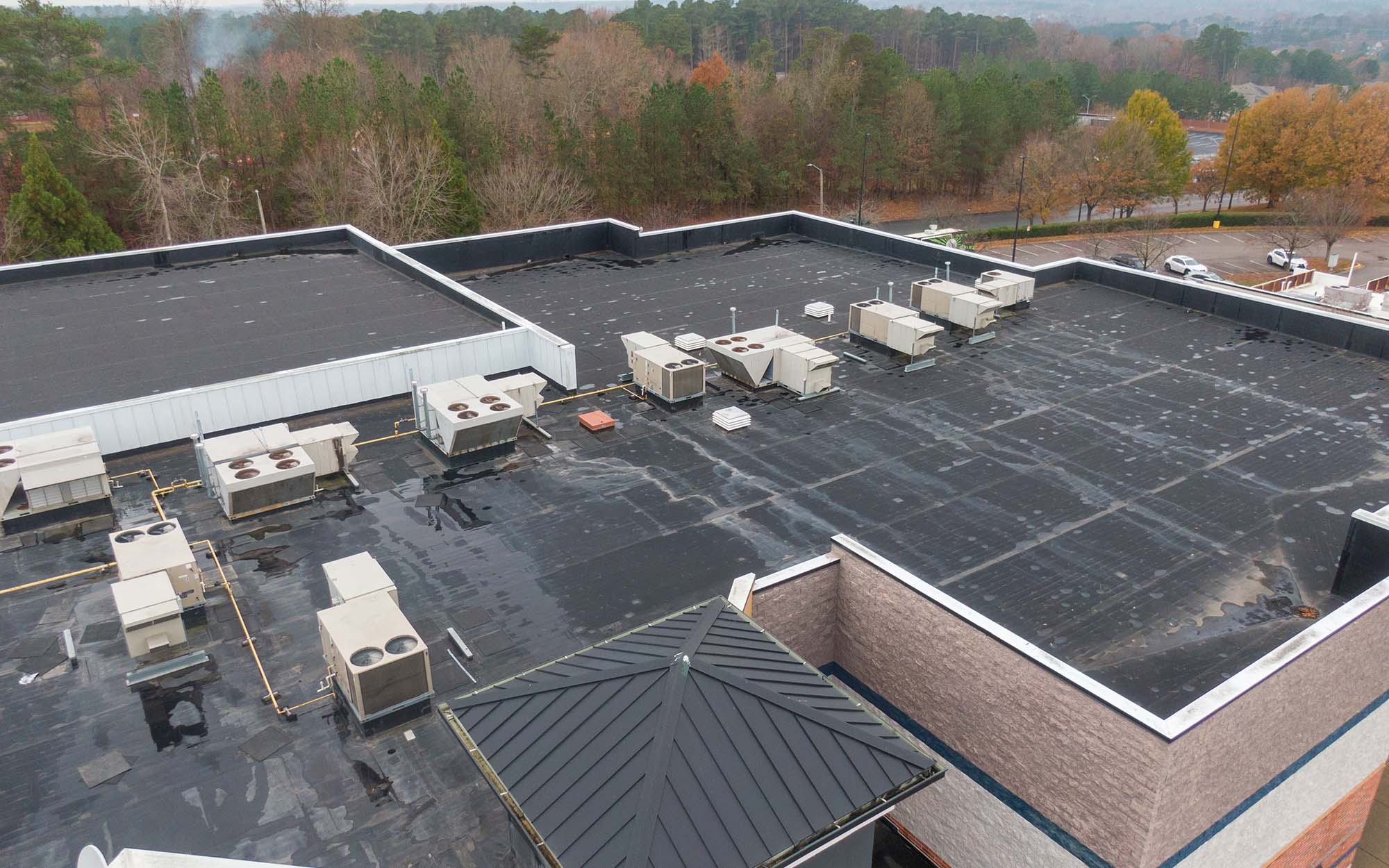
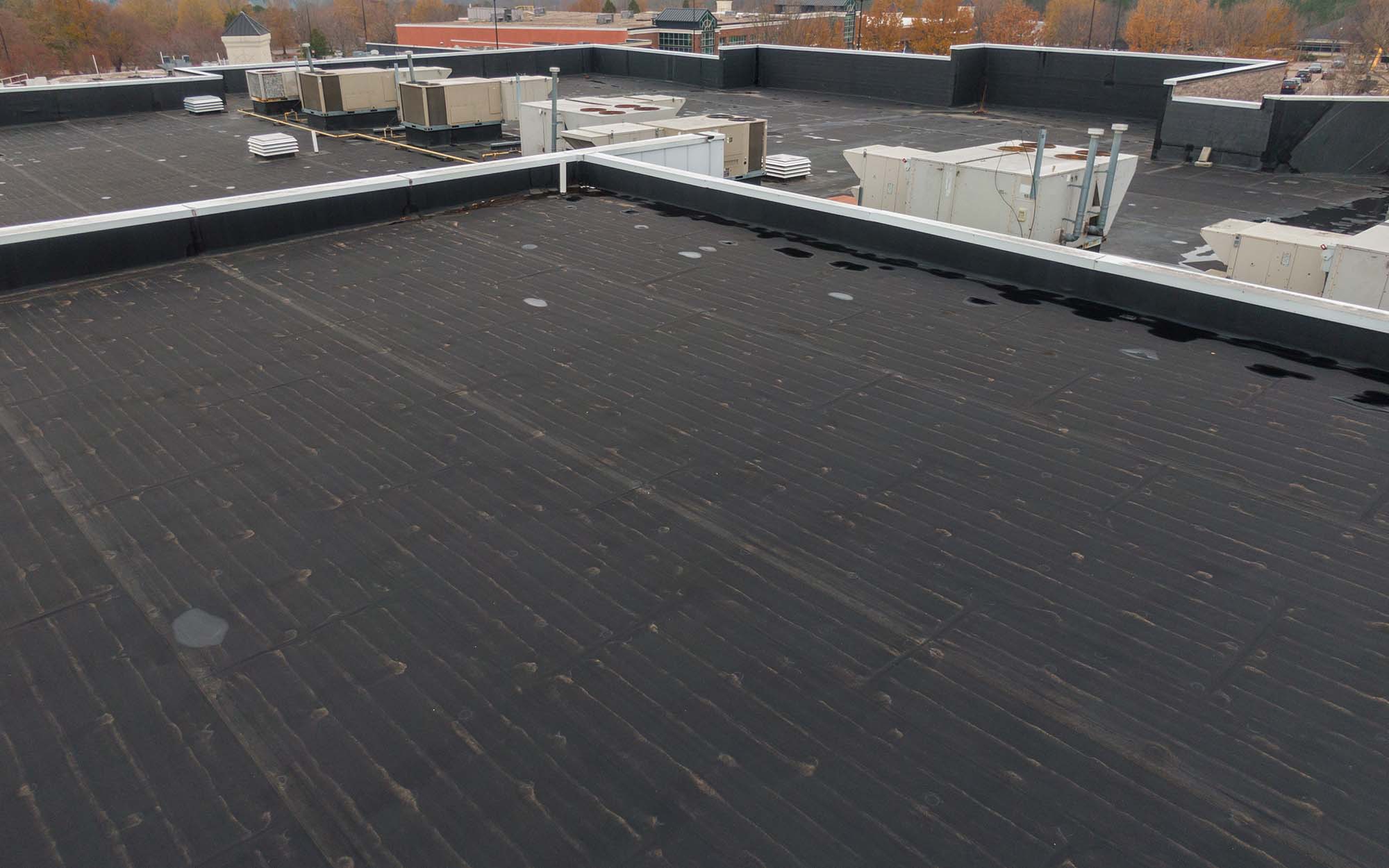
Imagine arriving at your business after a heavy rainstorm, only to find water pooling ominously on your commercial flat roof. This is the grim reality for businesses that undervalue effective New Hampshire commercial flat roof drainage systems. The presence of stagnant water on the roof not only poses immediate risks such as leaks and structural damage but can also escalate into more severe, cost-prohibitive repairs. It’s a stark reminder that water drainage is not just a routine maintenance item but a critical aspect of your building’s long-term health and performance. The urgency to address this cannot be overstated—it’s a defense strategy against the elements, preserving your asset’s integrity and value.
In New Hampshire, where the climate can encompass harsh winters and variable precipitation, efficient drainage is not just beneficial—it’s essential. Lack of attention to proper drainage protocols can lead to significant issues when spring thaw and heavy rainfall come around. Businesses can’t afford to overlook this, as improper drainage can substantially shorten the lifespan of a roof and increase the likelihood of costly business disruptions. By understanding the seasonal challenges and proactively managing drainage, businesses ensure they are protected against the unpredictable weather. An ounce of prevention here truly is worth a pound of cure, especially considering the financial implications of reactive, rather than proactive, roof management.
The introduction of this blog marks the beginning of a crucial conversation for commercial property owners and facilities managers across the state. We aim to not only underscore the importance of robust drainage systems but to arm you with the knowledge needed to safeguard your buildings effectively. In the following sections, we will guide you through maintenance tips, warning signs, and long-term strategies essential for keeping your flat roof drainage optimal. With the right approach, the peril of water damage becomes a manageable, rather than a daunting, prospect. Keep reading to turn potential despair into a strategic advantage for your New Hampshire-based business.
Understanding Drainage Challenges and Solutions
The backbone of efficient drainage lies in the architectural design of a flat roof. New Hampshire’s building codes spell out stringent requirements for roof slopes, designed to aid water runoff and prevent the disastrous effects of water ponding. Businesses cannot afford to ignore these guidelines, as the state’s snow-laden winters make for unique challenges in water management on flat surfaces. Every commercial flat roof must have the correct angle of inclination, although it appears flat, to allow for quick and effective drainage. Correctly installing and maintaining these angular slopes is key in mitigating water-related damages that could threaten a building’s structural integrity.
Monitoring for signs of poor drainage is a year-round task. Tell-tale signs include water stains, drips inside the building, or visible damage to the roof surface. When these warning signals are spotted, they should act as a prompt to seek professional expertise. Regular roof inspections and upkeep are also vital. A maintenance schedule could include cleaning out debris from gutters and inspecting for any wear and tear that could impede water flow. Such vigilant practices go a long way towards extending the longevity of your commercial roof and ensuring it can withstand the rigors of New Hampshire’s weather patterns.
One cannot overstate the importance of high-functioning drainage systems – they literally keep the water out of your business. The knock-on effects of poor drainage can ripple through every aspect of your enterprise, taking a toll on everything from day-to-day operations to bottom-line financials. Consequently, investing in top-tier commercial flat roof drainage solutions not only preserves the physical condition of your asset but can also prevent operational and financial setbacks. Smart decisions in this arena translate into a resilient business poised to navigate New Hampshire’s demanding climate. Always remember, it’s not just about fixing problems; it’s about staying ahead of them.
Proactive Measures for Long-Term Roof Health
Essential to the longevity of any commercial roof, especially those in climates as varied as New Hampshire’s, is a proactive approach to maintenance. It’s important for property owners to engage in regular evaluations of their drainage systems, not just as a response to visible problems, but as a part of a strategic maintenance routine. By doing so, small issues can be addressed before they escalate into serious concerns that affect the day-to-day operations and fiscal health of a business. Effective maintenance includes scheduling professional inspections and ensuring that even the minutest wear and tear is repaired promptly. Consider the impact of a well-maintained roof on your business continuity: it’s an investment that pays dividends in peace of mind and financial security.
Focusing on sustainability, businesses today are exploring environmentally friendly roofing materials and drainage solutions. Reflective roof coatings are becoming increasingly popular; not only do they aid in water management by reducing snow and ice accumulation, but they also contribute to energy savings. These innovative materials supplement standard drainage practices and serve as another layer of protection against leakage and water damage. Property managers looking for comprehensive roof coating solutions will find these options appealing for both their practicality and their environmental benefit. They represent a forward-thinking approach that combines roof longevity with stewardship of the environment.
As we conclude our discussion on commercial flat roof drainage, remember that expert guidance is indispensable. The nuances of managing commercial drainage in New Hampshire’s climate conditions require specialized knowledge. Engaging with professionals who bring a wealth of experience and a rich understanding of local building requirements will ensure that your drainage system is not only compliant but also optimized for performance. Wrapping up, it’s worth reiterating that taking preemptive steps, developing a plan for maintenance, and choosing the right materials and expertise is the threefold path to safeguarding your building’s roof from the unpredictable elements. Your commercial flat roof deserves the best defense against New Hampshire’s challenging weather, and proactive drainage management is your frontline protector.
Insights From The Experts
Tip 1:
Ensure regular inspections especially after heavy snowfall or storms, as New Hampshire’s weather can severely impact roof drainage systems. These inspections can identify potential issues before they escalate into major damage.
Tip 2:
Install proper drainage solutions like internal drains, gutters, and downspouts designed for commercial flat roofs. Tailor solutions to your specific building requirements to optimize water management year-round.
Tip 3:
Keep the roof’s surface, drains, gutters, and downspouts clear of debris such as leaves, pine needles, and ice which commonly cause blockages and subsequent water pooling on flat roofs.
Tip 4:
Consider upgrading to reflective roofing materials that help in melting snow and ice, preventing water retention, and thereby enhancing the drainage efficiency of your commercial flat roof.
Tip 5:
Adopt a proactive maintenance plan that includes regular cleaning and the fixing of any minor repairs immediately. A well-maintained roof can better handle the New Hampshire weather and prevent drainage problems.
Expert Answers to Your Top Commercial Roofing Queries
How often should New Hampshire commercial flat roofs undergo drainage inspections?
In New Hampshire, it’s advisable to schedule professional drainage inspections biannually and after severe weather events to ensure your flat roof’s optimal performance and to prevent potential damage.
What are the signs of inadequate flat roof drainage that businesses should watch for?
Businesses should be vigilant for signs such as standing water on the roof 48 hours after rainfall, visible debris clogging drainage points, and water stains or leaks inside the building.
Can heavy snowfall affect the drainage efficiency of commercial flat roofs in New Hampshire?
Yes, heavy snowfall can significantly impact drainage efficiency, as the weight of the snow can obstruct drainage paths and lead to water accumulation once melting occurs.
What maintenance steps can be taken to ensure the longevity of flat roof drainage systems?
Regular cleaning of gutters and drains, prompt repairs of any minor damages, and ensuring that downspouts are free of blockages are key maintenance steps for long-lasting drainage systems.
Are there environmentally friendly drainage solutions available for commercial flat roofs?
Absolutely, there are eco-friendly options such as green roofs, which support sustainability by managing stormwater and improving energy efficiency, and reflective coatings that facilitate snow melt.