• Identify early signs of roof damage, like cracks and water pooling, to prevent severe weather-related issues.
• Ensure effective weatherproofing with a step-by-step guide on cleaning, repairing, and applying protective coatings.
• Learn from common DIY mistakes and recognize when to seek professional help to maintain roofing integrity.
Recognizing the Need for Weatherproofing
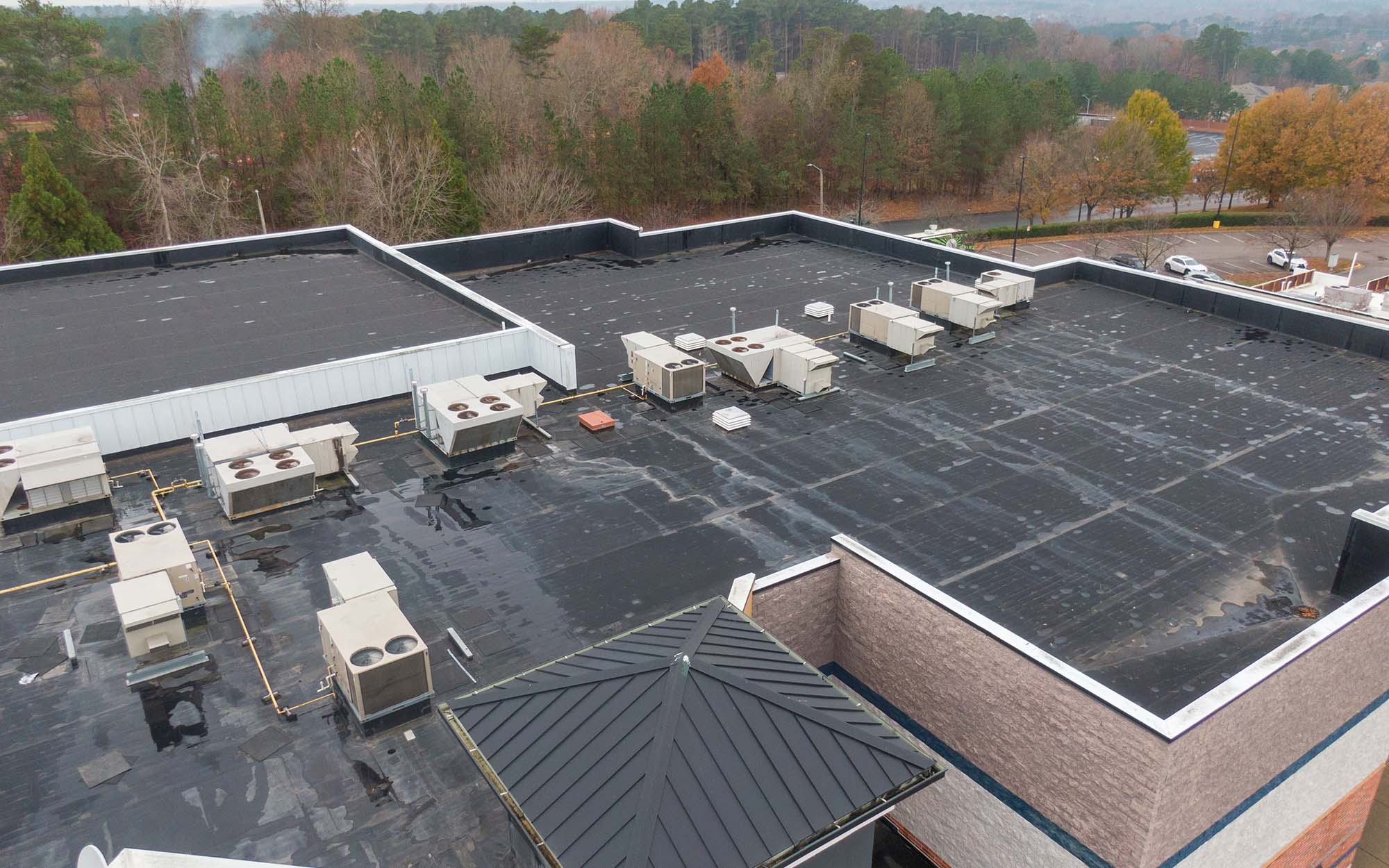
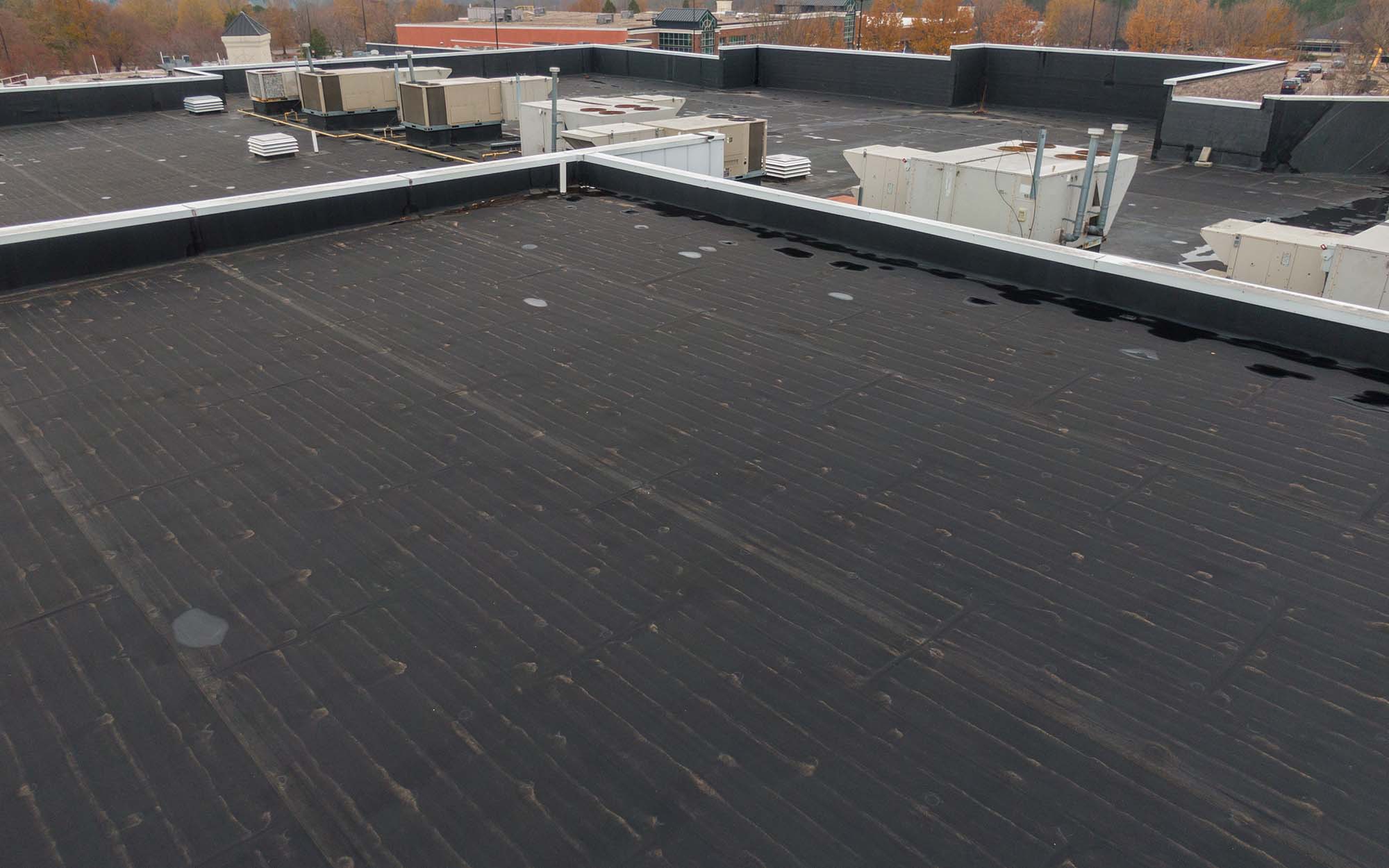
As a business owner in Pennsylvania, ensuring the durability of your commercial roofing system is paramount. Visible signs of wear and tear, such as cracks and blisters on the roofing material, can indicate that your roof is vulnerable to the harsh summer elements. In addition to these distress signals, the presence of standing water, known as ponding, can jeopardize the roof’s structural integrity. It’s essential to view these symptoms as early warnings that necessitate immediate action.
The age of your roof plays a critical role in its ability to withstand seasonal weather extremes. If your commercial roof has been shielding your business for many years, it may be time to evaluate its resilience, particularly with Pennsylvania’s summer downpours in mind. Early detection of deterioration is key to extending the life of your roof and preventing costly damages in the future. Regular roof assessments provide an opportunity to identify and address minor issues before they escalate.
When examining your roof, pay close attention to the areas most susceptible to damage. Seams and areas around vents and other protrusions are common sites for leaks to develop. Also, assess the cleanliness of your roof; accumulated debris and dirt can not only cause damage themselves but can also obscure other problematic areas. A comprehensive assessment will give you the clear roadmap needed to move forward with necessary repairs and weatherproofing measures.
Cleaning and Preparing Your Roof
Taking the first proactive steps to ensure commercial roofing longevity begins with a thorough clean. By removing the layers of dirt, debris, and leaves that have accumulated over time, you are not only preventing potential water blockages but also preparing the roof for any repairs or weatherproofing. It’s a straightforward process, but one that can save thousands in potential water damage repairs. Pennsylvania’s summers can bring sudden storms, and clean surfaces will ensure better adhesion for subsequent weatherproofing efforts.
Once the surface is pristine, it’s time to assess for any required repairs. This is when you should seal any gaps or cracks with a reliable sealant, chosen for its quality and suitability for the local climate. Ignoring smaller issues can lead to larger complications, especially as the summer heat intensifies. Protective measures taken now can prevent common problems like thermal shock from causing significant damage over time.
Selecting and Applying the Right Coating
Choosing the right weatherproofing materials is critical; they should enhance your roof’s defense against the sometimes unpredictable Pennsylvania weather. The goal is to reflect heat, not absorb it, which is why a reflective coating is highly recommended for commercial roofs in the area. This lowers interior temperatures and can contribute to reduced energy costs. Furthermore, the right materials can add years to the lifespan of your roofing system.
Once the material selection is made, the application process must be meticulous. A uniform coat, applied without missing any sections, ensures complete coverage and protection. It’s an investment that not only secures your building but also showcases a commitment to sustainability through energy savings. Regular maintenance will keep your roof performance optimal, a necessity that Superior Group LLC understands and facilitates through its comprehensive roofing services.
Step 1: Assess Your Commercial Roof
Begin by evaluating the current condition of your commercial roof. Look for signs of damage such as cracks, blisters, or water pooling. Consider the age of the roof and its exposure to the typical summer weather in Pennsylvania.
Step 2: Clean the Roof Surface
Clear away debris, dirt, and grime from the roof surface. A clean surface ensures better adherence for weatherproofing products and reveals areas in need of repair.
Step 3: Repair and Seal Leaks
Identify and promptly seal any leaks or damaged areas using appropriate sealants or roofing tape. Focus on seams, around fixtures, and other penetrations where water is most likely to enter.
Step 4: Choose Quality Weatherproofing Materials
Select high-quality weatherproofing materials that are designed for commercial roofs and suitable for the Pennsylvania climate during summer—which typically involves protection against heavy rains and winds.
Step 5: Apply Weatherproof Coatings
Apply a reflective weatherproof coating to the roof, which can protect against UV rays and enhance roof longevity, while also improving energy efficiency within the building.
Step 6: Install Additional Weatherproofing Features
Consider additional weatherproofing systems such as waterproof membranes or upgraded insulation that can provide extra protection against the elements and improve the overall performance of the roof.
Step 7: Inspect Drains and Gutters
Ensure that all drainage systems, including gutters and downspouts, are clear of obstructions. Proper drainage is critical in preventing water accumulation and potential damage.
Step 8: Schedule Regular Maintenance Checks
After weatherproofing, arrange for periodic inspections and maintenance to ensure that the roof remains in top condition and any minor issues can be addressed promptly to avoid major repairs in the future.
Common Missteps in DIY Weatherproofing and How to Avoid Them
Embarking on a DIY commercial roofing weatherproofing project can be ambitious. It’s important to approach this task with caution to avoid common pitfalls that could compromise your roof’s integrity. Let’s explore some frequent errors and ensure your efforts are successful and enduring.
Mistake 1: Neglecting Thorough Roof Assessments
– Many DIYers start without a proper assessment, overlooking small cracks or signs of wear that can lead to major problems during Pennsylvania’s stormy summers.
– To prevent this, conduct a detailed inspection of the entire roof surface, noting any potential issues.
Mistake 2: Inadequate Cleaning
– A poorly cleaned roof leads to poor adhesion of weatherproofing materials. Dirt and debris left on the surface can prevent coatings from bonding correctly.
– Ensure you meticulously clean the roof, paying extra attention to grooves and crevices where dirt can hide.
Mistake 3: Using Improper Sealants
– The wrong choice of sealant won’t just fail to fix leaks; it may cause additional damage to your roofing material.
– Select sealants specifically designed for your roof type and the peculiarities of Pennsylvania’s climate.
Mistake 4: Skimping on Materials
– It may be tempting to save costs on cheaper materials, but this will cost more in the long run due to reduced lifespan and effectiveness.
– Invest in high-quality weatherproofing materials that offer durability and longevity.
Mistake 5: Uneven Application of Coatings
– A common DIY blunder is unevenly applied roof coatings, leaving parts of the roof vulnerable.
– Apply coatings evenly across all areas, ensuring no spot is left uncovered.
Mistake 6: Overlooking Drainage Systems
– Ignoring gutters and downspouts can lead to water damage and corrosion.
– Regularly check and clean the drainage system to prevent clogs and ensure water can flow away from the roof efficiently.
Mistake 7: Infrequent Maintenance
– One of the most critical steps post-weatherproofing is maintenance, which DIYers often neglect.
– Schedule regular inspections to catch and address issues early, maintaining the efficacy of your weatherproofing work.
Maintaining Drainage Systems
Effective water management is key for preserving the integrity of your roof during Pennsylvania’s summer season. Ensuring gutters and drains are clear is essential for preventing water accumulation that can lead to leaks and structural damage. The Superior Group offers guided expertise in assessing and maintaining roof drainage systems to safeguard your investment.
A comprehensive inspection of your roofing drainage can reveal hidden blockages that might not be apparent at first glance. Seasonal debris can clog downspouts, causing water backup and potential harm to the building’s interior and exterior. It’s crucial to have a routine check to prevent minor issues from turning into costly repairs.
Scheduling Routine Roof Maintenance
After applying weatherproof protection measures, the longevity of your roof is contingent on continued care and regular checks. This proactive approach enables you to catch and address slight wear or minor damages before they can worsen. Regular maintenance is a strategic step in upholding the integrity of your roof against the dynamic Pennsylvania weather.
The Superior Group understands the intricacies involved in commercial roof upkeep and emphasizes the importance of a planned maintenance schedule. By partnering with seasoned professionals, building owners can ensure their roofs remain in peak condition. Don’t hesitate to reach out to Superior Group’s experts for comprehensive roof maintenance and replacement services tailored to your needs.