Understanding the Stakes: The Right Choice for Your Business
The decision to select the appropriate roof valley commercial types for your Maryland-based enterprise is more than a matter of aesthetics; it’s a critical investment in the longevity and functional integrity of your building. In the lively spring season, when weather patterns fluctuate, the choice becomes even more pressing. Every business owner knows, unforeseen repair costs due to water damage or structural decay can not only be financially draining but can also disrupt business operations significantly.
Choosing a roof valley that aligns with your building’s design and local climate is paramount. Without the correct type, the rainy season could spell disaster, with water pooling and seeping into vulnerable areas of your roof. A well-chosen roof valley can seamlessly channel water away, minimizing the risks of leaks and long-term wear, which in turn provides peace of mind and cost savings on maintenance.
This initial decision bears significant impact and carries a real sense of urgency. Delay or indifference could lead to exacerbated issues, which is why expertise in this domain is indispensable. As we dive deeper, we’ll explore precisely what types of roof valleys suit commercial buildings in Maryland best, ensuring that your establishment is well-protected against the seasonal whims of spring showers.
Material Matters: Durability and Design
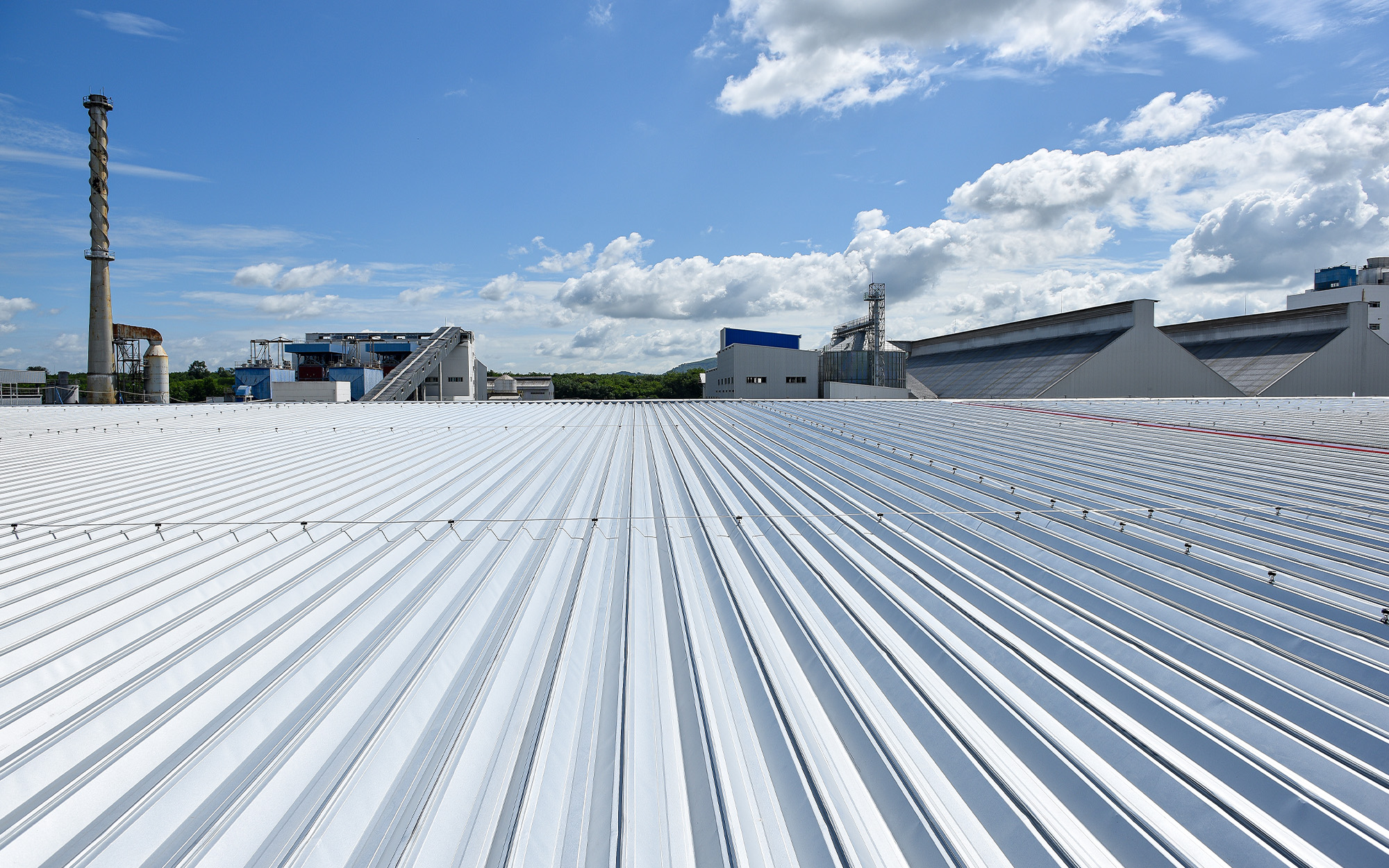
Selecting the right materials for your roof valleys is not just about handling current weather conditions; it’s about preparing for the future. Materials like galvanized steel or aluminum offer not only resilience against harsh weather but are also cost-effective in the long run due to their durability. These materials are less prone to rust and corrosion, meaning they can withstand Maryland’s diverse climate from sweltering summers to frigid winters.
The design of your roof’s valleys plays a significant role in effective water management, particularly during Maryland’s spring season when rainfall is prevalent. A slight 1/4 inch per foot slope is vital for promoting water flow away from the roof surface, preventing leaks and long-term structural damage. This is where professional expertise comes into play, ensuring that the installation is done immaculately to maintain the building’s health.
Maintenance is another crucial aspect of the longevity of your roof valley system. Consistent inspections can prevent destructive accumulations like leaves and debris, which pose a threat to your roof’s drainage efficiency. For more comprehensive insights on maintaining your roof valley system optimally, consider The Superior Group’s commercial roofing services, which offer detailed guidance and assistance.
Final Considerations: Ensuring Roof Valley Excellence
As we wrap up our discussion on commercial roof valleys, it’s paramount to highlight the importance of expert installation. A correctly installed roof valley can mean the difference between a roof that stands the test of time and one that succumbs to the elements, leading to costly repairs. This level of precision ensures that your commercial building remains safe and dry, regardless of the unpredictable Maryland weather.
In your journey to find the right roof valley solution, it’s crucial to partner with a roofing specialist who brings a wealth of knowledge and experience. Consult with a team that understands the intricate details of commercial roofing and can offer tailored advice for your unique structure. Whether it’s a new installation or upgrading your current system, expert guidance is indispensable.
Remember, your roof is a significant investment, and its valleys play a pivotal role in protecting that investment. To make an informed decision and connect with seasoned professionals in roof installation and maintenance, visit The Superior Group’s guide to roof types. By doing so, you’re taking a critical step towards securing the integrity and longevity of your commercial roof.
Key Considerations for Commercial Roof Valleys
Tip 1:
Consider the climate of your location when selecting materials for roof valleys. In areas with heavy rain or snow, materials resistant to weathering and decay, like galvanized steel or copper, can provide enhanced durability.
Tip 2:
Ensure proper design clearance for your roof valleys. A minimum slope of 1/4 inch per foot is recommended to facilitate efficient water flow and prevent pooling, which could erode the valley over time.
Tip 3:
Regular inspection and maintenance are crucial for roof valleys. Twigs, leaves, and debris can obstruct water flow, leading to leaks. Setting a bi-annual inspection schedule can help spot potential issues early.
Tip 4:
When installing a new roof valley, consider using pre-formed valley pans. They provide a uniform and consistent channel for water to flow, reducing the risk of misalignment and subsequent structural issues.
Tip 5:
Seal the deal with proper sealants and flashing. These components are vital for a water-tight roof valley system. Select high-quality materials and professional installation to ensure the best protection against leaks.
Expert Answers to Your Roofing Queries
What are the best materials for commercial roof valleys to ensure longevity and proper drainage?
The optimal materials for commercial roof valleys are those resistant to weathering, like galvanized steel, aluminum, and copper, which offer both longevity and effective drainage.
How should commercial roof valleys be installed to prevent leaks and water damage?
Roof valleys should be installed with a minimum slope and proper flashing to ensure water flows away quickly, and seams are sealed to prevent leaks into the structure.
What maintenance practices are essential for preserving the integrity of commercial roof valleys?
Periodic removal of debris, inspection for damages or obstructions, and prompt repairs of any identified issues are vital to maintaining the integrity of roof valleys.
Can commercial roof valleys be retrofitted to improve drainage?
Yes, commercial roof valleys can be retrofitted with various products and techniques to improve drainage, tailored to the existing roofing material and building design.
Are there innovative commercial roof valley designs that offer better performance?
Innovations in commercial roof valley design include wider channels, improved flashing methods, and materials designed to enhance water flow and reduce debris accumulation.